




SHOPPING CART(0)
Your cart is empty.
shop now
Your cart is empty.
shop now
When you pick a cheap lithium battery for your scooter, motorcycle, or other gear, you make safety risks higher. Makers sometimes use bad materials and miss key safety steps. These shortcuts can cause dangers like fire or explosion. Knowing about lithium battery risks helps keep you, your things, and nature safe.
If you pick a cheap lithium battery for your scooter or motorcycle, you could be in danger. Some makers use weak materials to cut costs. These weak parts can wear out fast and cause trouble inside lithium-ion batteries. A battery with a thin shell or weak separators might leak or short out. You may notice the battery swelling, smelling weird, or making popping noises. These things mean the lithium battery is not safe.
Some lithium-ion batteries do not have all the safety parts they need. For example, they might not have a battery management system (BMS). The BMS helps control how the battery charges and keeps it from getting too hot. Without a BMS, lithium-ion batteries can overheat or charge too much. Bad quality checks mean some batteries leave the factory with hidden problems. You might not see these problems until the battery stops working. The YTX14-BS Battery is used in many vehicles, so you should always make sure your lithium battery has the right safety parts before you use it.
Using the wrong charger with lithium-ion batteries can be risky. Not every charger works with every lithium battery. If you use a charger that does not match, the battery might charge too quickly or too slowly. This can hurt the cells inside lithium-ion batteries. Damaged cells can get too hot or even catch fire. Always use the right charger for your lithium battery to stay safe.
Tip: Always read the manual for your lithium-ion batteries and chargers. This helps you avoid mistakes that can cause safety problems.
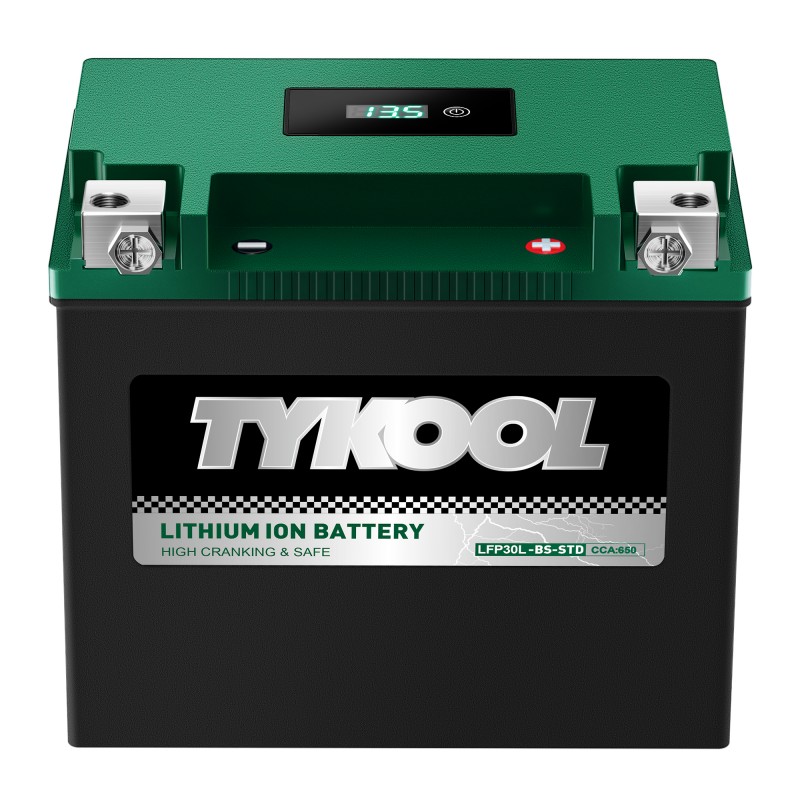
Using low-cost lithium batteries can be dangerous. Fire is the biggest risk. If a lithium battery gets damaged or too hot, it can catch fire fast. These fires are very hot and can spread quickly. You might see sparks or smoke before a fire starts. Sometimes, you may hear popping sounds. The battery can even explode and send pieces flying. This can hurt people nearby. Firefighters have trouble putting out these fires. Water does not always work on lithium battery fires. Even a small fire can cause big problems. For example, a scooter charging in a garage can start a fire. That fire can spread to your house. The 30L-BS Motorcycle LiFePO4 Battery needs careful handling. Always keep and charge your batteries away from things that can burn.
Thermal runaway is a big problem with lithium batteries. If one cell gets too hot, it can start a chain reaction. The heat spreads to other cells. Soon, the whole battery gets very hot. It may catch fire or explode. You cannot stop thermal runaway once it begins. Watch for warning signs like swelling or leaking. Strange smells are also a sign. If you notice these, stop using the battery right away. Thermal runaway can happen if you use the wrong charger. It can also happen if the battery has a defect. Always use the right charger for your battery. Check for safety features before using it. Remember, thermal runaway is very dangerous. It can cause fires, injuries, and damage to your things.
Lithium battery fires make toxic gases and smoke. Breathing these fumes can hurt your lungs. You might cough or have trouble breathing. Some people can get sick for a long time after breathing these fumes. Kids and older adults are at higher risk. Smoke from a fire can fill your home or garage. This can make everyone nearby sick. Lithium battery fires also harm the environment. Chemicals from burned batteries can get into the ground and water. This can hurt plants, animals, and people. You may not see the damage right away. But the effects can last a long time. Always take old or broken batteries to special recycling centers. This helps keep the environment and your health safe.
Note: If you see smoke, fire, or smell something strange from your lithium battery, move away and call for help. Do not try to put out the fire yourself.
|
Hazard Type |
Short-Term Effects |
Long-Term Effects |
|---|---|---|
|
Fire |
Burns, injuries, property loss |
Respiratory problems, trauma |
|
Toxic Fumes |
Coughing, eye irritation |
Long-term health effects |
|
Environmental Contamination |
Water and soil pollution |
Lasting environmental hazards |
You need to watch out for lithium battery fires. Protect yourself and the environment by using safe batteries and following safety rules.
You need to look for signs that a lithium battery is not safe. If the battery swells, leaks, or smells weird, it is a problem. Smoke or popping sounds mean you should move away right away. These things can cause a fire or an emergency. Check where you keep your batteries often. Watch for any changes in color or shape. If you see any warning signs, stop using the battery. Call for help if you see fire or smell chemicals.
Tip: Keep emergency phone numbers close to your battery storage spot. This helps you get help fast if there is a fire or health danger.
You have to be careful when you use lithium batteries. Do not drop them or crush them. Store them in a cool and dry place. Keep them away from things that can burn. When you need to get rid of a battery, take it to a recycling center. Never throw it in the trash. Throwing batteries away the right way keeps you and others safe. If you touch a battery that is leaking, wash your hands and see a doctor. Breathing in fumes can hurt your lungs and make you sick.
|
Handling Step |
Why It Matters |
|---|---|
|
Store safely |
Stops fires and health problems |
|
Recycle properly |
Helps the environment |
|
Avoid damage |
Prevents emergencies |
Buy lithium batteries from stores you trust. Look for safety marks on the battery. Good batteries are less likely to catch fire or make you sick. Always check for safety labels before you buy a battery. Picking good batteries helps keep you healthy and your things safe. Remember, being safe is more important than saving money.
If you pick cheap lithium batteries, you can be in danger. Fires and explosions can hurt you. Smoke from battery fires is bad for your health. These fumes can also harm nature. Always use certified lithium batteries to stay safe. Look out for signs that something is wrong. Handle lithium batteries with care to protect yourself.