





SHOPPING CART(0)
Your cart is empty.
shop now
Your cart is empty.
shop now
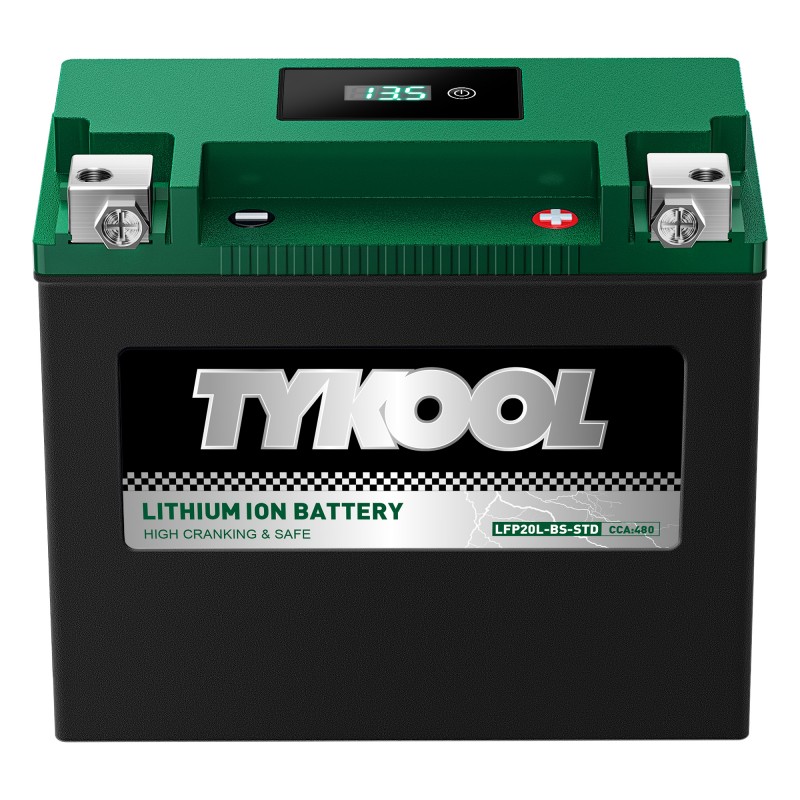
Voltage drop means your jet ski battery loses power. This happens when you need power the most. You might have trouble starting your jet ski. The throttle may feel weak. Gauges might not work right. The TYKOOL YTX20L-BS lithium battery for jet ski uses waterproof sealing. It also has a smart BMS to stop voltage drop. Cleaning battery connections helps a lot. Checking wiring is important too. Upgrading your battery can fix problems. Regular maintenance is very helpful. You can fix voltage drop problems easily. Lithium batteries last much longer than lead-acid ones, as shown below:
|
Battery Type |
Lifespan (Years) |
|---|---|
|
Flooded Lead-Acid |
3-5 |
|
Lithium LiFePO4 |
10-12+ |
Voltage drop happens when your battery cannot keep the same voltage while your jet ski uses power. You might notice this when you try to start your jet ski and the engine turns over slowly or not at all. A healthy lithium battery for jet ski keeps its voltage steady, even when you use the throttle or turn on the lights. This is different from older lead-acid batteries, which often lose voltage quickly under heavy use. When your battery works well, you get strong, reliable power every time you ride.
Tip: Always check your battery’s voltage with the LCD readout before heading out. This helps you spot voltage drop early and avoid getting stranded.
Voltage drop can cause many problems for your jet ski. You may have trouble starting the engine. The throttle might feel weak, and your jet ski could lose speed. Electronics like gauges and lights may flicker or stop working. These issues can ruin your day on the water.
Corrosion often builds up on battery terminals and connectors. This happens a lot near the ocean. Salt in the air makes the connections worse. It adds resistance and slows down electricity. Your battery might get hot. Your jet ski might not start easily. Corrosion can make your lithium battery for jet ski overheat. It also makes the battery work less well. If you keep the connections clean and dry, you can stop these problems.
Batteries change as they get older. Inside, resistance builds up. This makes it harder for the battery to give power. Old batteries lose voltage faster. They may not hold a charge as well as new ones. You might see the voltage drop quickly, even after charging. Heating lithium batteries can help them work better. But old age still makes them weaker.
Old batteries get resistance and lose power.
Voltage drops below 50% state of charge faster.
New batteries keep voltage steady for longer rides.
Wiring problems can cause voltage drop. Wires that are broken or too thin slow down electricity. This makes a bottleneck and hurts performance. Heat, shaking, and water can damage wires over time. Bad voltage regulators also cause voltage drop. You should check your wires and regulator often.
Broken or thin wires limit power.
Bad regulators hurt battery charging.
Jet skis have to deal with tough places. Cold weather makes batteries work worse and causes voltage drops. Changes in temperature make lithium batteries lose power. Wet air and water also hurt battery health. Every degree colder makes the battery weaker. Waterproof and vibration-resistant features help your battery handle these tough conditions.
Note: Keep your jet ski in a dry place and use a waterproof battery box to help stop voltage drop.
You can spot voltage drop in your jet ski by watching for a few clear signs. Your engine may turn over slowly or not start at all. The lights on your dashboard might flicker or look dim. Sometimes, your jet ski will lose power when you hit the throttle. You may also notice that your electronic gauges stop working or reset themselves. If you hear clicking sounds when you try to start the engine, this can also point to a voltage drop problem.
Tip: If your jet ski feels weak or struggles to start, check your battery first. These symptoms often mean your battery cannot deliver enough power.
You can test your battery at home with a simple voltmeter. Follow these steps to check for voltage drop:
Turn off your jet ski and connect the voltmeter to the battery terminals.
Check the resting voltage. A healthy lithium battery for jet ski should show about 13 volts when fully charged.
Start the engine and watch the voltage. The voltage should stay between 9.6 and 10.5 volts for at least 30 seconds while the engine cranks. If it drops below 9.6 volts, your battery may need replacing.
If the voltage drops quickly after a few seconds, your battery could have a deeper issue.
If the voltage drops to zero right away, your battery may have an open cell and needs to be replaced.
These steps help you find out if your battery is strong enough for your jet ski.
Look at your battery and its connections. Check for any white or green buildup on the terminals. This is corrosion and can block power. Make sure the cables feel tight and secure. Look for any cracks or swelling on the battery case. If you see water or rust near the battery, dry the area and clean the terminals. Always check the LCD readout if your battery has one. This gives you a quick look at your battery’s health before you ride.
Note: Regular checks and cleaning help prevent voltage drop and keep your jet ski running strong.
First, clean your battery terminals and connectors. Corrosion and loose connections stop power from flowing. Use a wire brush or a battery terminal cleaner. Remove any white or green stuff you see. Make sure all cables are tight. If you see rust or water, dry the area before you connect things again. Tight connections help your battery give full power to your jet ski.
Tip: Check your connections before every ride. Clean terminals help your battery stay healthy and stop voltage drop.
Broken wires or bad parts can cause voltage drop. Look at all wires for cracks, cuts, or damage. Change any wires that look thin or broken. Check if the voltage regulator works right. If your jet ski still has problems after cleaning, you may need to change these parts. Use wires that are the right thickness for your jet ski. This helps electricity move without slowing down.
A vibration-resistant battery, like the TYKOOL YTX20L-BS, keeps inside connections safe from damage. This gives you steady power, even on bumpy water.
If your battery is old or weak, get a new lithium battery for jet ski. Pick a battery with good safety and monitoring features. Look for a built-in Battery Management System (BMS). The BMS stops overcharging, short circuits, and deep discharges. It also keeps the cells balanced for longer life.
Here is a table to help you pick the right lithium battery for jet ski:
|
Feature |
Benefit |
|---|---|
|
Quality of Battery Management System (BMS) |
Protects the battery from damage and keeps cells balanced. |
|
High discharge rate capability |
Delivers strong power with minimal voltage drop, even under heavy use. |
|
Capacity and longevity |
Lasts longer and holds voltage better than lead-acid batteries. |
Using the right charger and taking care of your battery keeps it strong. Always use the charger made for your lithium battery for jet ski. This stops overheating and damage. Do not charge in very hot or cold places. Keep your battery in the right state-of-charge range. This helps your battery last longer.
You should:
Write down your battery’s runtime and check voltage often.
Use only the original charger for best results.
Store your battery in a dry, cool place.
Do not charge at very hot or cold temperatures.
If you follow these steps, you can fix voltage drop problems and enjoy riding your jet ski without worry.
You can keep your jet ski battery strong by doing a few easy things. Taking care of your battery stops voltage drop and keeps you safe. Here are some tips:
Do not let your battery get too empty. Try to keep it above 50% charge. This keeps the cells healthy and working well.
Always use the right charger for your battery type.
Do not use too many electronics at once. This keeps the battery from getting tired.
Keep your battery in a cool spot. Heat makes batteries wear out faster. Make sure air can move around your battery.
Charge your battery the right way. Overcharging can make it die sooner. Use a smart charger to help control charging.
Use a trickle charger when you are not riding. This keeps your battery full during the offseason.
Tip: Clean your battery terminals often. Tight and clean connections help your battery give power without voltage drop.
Check your battery’s health before every ride. Use the LCD readout if your battery has one. This lets you see the voltage and find problems early. Write down the voltage and how long you use your battery. If the voltage drops faster than normal, your battery might need help. Watch for dim lights or slow engine starts. These are signs of voltage drop.
A lithium battery for jet ski with a Battery Management System (BMS) makes checking easier. The BMS keeps your battery safe and gives you peace of mind.
Storing your jet ski the right way keeps your battery strong. Always put your battery in a dry, cool place. Stay away from very hot or cold spots. Take out the battery if you will not use your jet ski for a long time. Use a trickle charger or battery maintainer to keep it charged. Check the voltage every month. Make sure the battery stays above 50% charge.
|
Storage Tip |
Benefit |
|---|---|
|
Dry, cool location |
Stops battery from overheating |
|
Trickle charger |
Keeps battery healthy |
|
Monthly voltage check |
Helps you find problems early |
Note: Good storage habits help your battery last longer and stop voltage drop.
You can stop voltage drop in your jet ski lithium battery by doing easy things. Clean the terminals so power can flow well. Check the wiring to make sure nothing is loose or broken. Always use the right charger for your battery. Store your battery in a cool and dry place. Keep the charge around 50% when you are not using it. Taking care of your battery helps it last longer and work better. Some batteries, like the TYKOOL YTX20L-BS, have an LCD readout and BMS. These features help you check your battery’s health easily. Look at your connections often and think about getting a better battery for strong power every ride.
Checking and cleaning your battery helps it last longer.
Storing and charging the right way stops voltage drop.
Good airflow keeps your battery working well.
Stay ahead and have fun on your jet ski without worry!