




SHOPPING CART(0)
Your cart is empty.
shop now
Your cart is empty.
shop now
You should know lithium motorcycle battery specs to achieve optimal performance and reliability from your motorcycle in 2026. Important specs such as amp-hour capacity, cranking amps, voltage, and charging are crucial for ensuring you have a lighter battery, steady power, and fewer replacements. Choosing lithium motorcycle batteries also contributes to environmental care.
Pick the correct amp-hour capacity for your motorcycle so it works well and can handle extra accessories. - Look at the cranking amps rating, especially if you ride when it is cold, to stop problems when starting. - Always use a charger made for lithium batteries to keep them safe and make sure they charge the right way.
Amp-hour capacity is a very important spec to know. It shows how much energy the battery can hold and give out over time. If you pick a battery with low capacity, your motorcycle might not run extra lights or could not start after sitting for a while. If you get a battery with too much capacity, it can make your bike heavier and cost more money.
In 2026, common amp-hour capacities for lithium motorcycle batteries are:
12 amp-hours
16 amp-hours
20 amp-hours
You need to choose the right capacity for your motorcycle and how you ride. Dual-purpose bikes often need more capacity for adventure gear. ACG starter models usually work fine with medium capacity.
|
Battery Type |
Voltage |
Capacity (Ah) |
Weight (kg) |
Cranking Power (A) |
|---|---|---|---|---|
|
Dual-Purpose |
12 V |
20 Ah |
3 kg |
800 A pulse |
|
ACG Starter |
12 V |
12 Ah |
1.8 kg |
N/A |
|
Balanced |
12 V |
16 Ah |
N/A |
300 A CCA, 350 A pulse |
Tip: Always look at your motorcycle’s manual to find the right capacity. Make sure the battery fits in the space. If you add new electronics, you may need a bigger battery.
Cranking amps show how much power the battery gives to start your engine. In 2026, lithium motorcycle batteries use better technology. They keep higher voltage when starting than old batteries. But, different companies test cranking amps in different ways, so you need to read the numbers carefully.
Lithium batteries can lose 50–70% of their cranking amps if it is colder than 32°F (0°C). If it is below 0°F (-18°C), some batteries can lose up to 80% of their cranking power. For example, a battery with 200 CCA might only give 40 CCA in very cold weather. This can stop your engine from starting.
Remember these things:
Lithium batteries lose a lot of cranking power in cold weather.
Riders in cold places sometimes forget this when picking a battery.
Many lithium batteries need a special ‘wake-up’ step for cold starts.
Note: Always check that the cranking amps rating is as high as your motorcycle needs. If you ride where it is cold, get a battery with more cranking amps or have a backup way to start your bike.
Voltage compatibility is very important for safety and how well your bike works. Most lithium motorcycle batteries use a 12-volt system. This matches most motorcycles. If you use a battery with lower voltage than needed, your bike may not run as long or as well. Keeping the right voltage stops overheating and keeps your bike and battery safe.
|
Feature |
Lithium (LiFePO4) |
Lead-Acid |
|---|---|---|
|
Cold Cranking Amps |
300–600A |
100–200A |
|
Typical Cost |
$150–$400 |
$50–$150 |
|
Weight |
4–8 lbs |
15–30 lbs |
|
Typical Lifespan |
8–10 years |
2–3 years |
|
Self-Discharge |
<3% / month |
10–15% / month |
Make sure the lithium battery matches your motorcycle’s voltage needs.
Most motorcycles use 12 volts, but some may need something different.
A good charging system should give about 14 volts at 2,000 rpm. If your charging system does not give this voltage, the battery will not charge well. This can cause problems with how your bike works.
Safety Reminder: Always check the voltage before you put in the battery. Using the wrong voltage can hurt your motorcycle or the lithium battery.
Charging lithium motorcycle batteries means you have to watch the voltage and current. Lithium batteries need a special way to charge. If you use the wrong charger, you can hurt the battery. It can also cause problems with extra electronics.
|
Charging System Type |
Voltage Range (V) |
Current Limit (A) |
|---|---|---|
|
Typical Motorcycle |
14.2 - 14.6 |
Up to 1C |
|
Battery Type |
Voltage Limit (V) |
Charge Current (A) |
|---|---|---|
|
LiFePO4 |
< 15 |
Up to 1C |
|
SLA |
< 14.7 |
< 0.3C |
|
Battery Type |
Absorption Voltage |
Float Voltage |
|---|---|---|
|
Lead-Acid |
14.4–14.8V |
13.2–13.8V |
|
Lithium (LiFePO4) |
14.4–14.6V |
13.6V or lower |
Lithium batteries need chargers that work differently than AGM or regular batteries.
Using an AGM charger on a lithium battery can break it.
If you drain a lithium battery all the way, it might not charge if the charger cannot see it.
Expert Advice: Always use a charger made for lithium motorcycle batteries. Do not use trickle charging with lead-acid settings. Keep the battery in the right temperature and charge it every week to keep it balanced inside.
Model Number: Shows what kind of battery pack it is.
Part Number: Is special for each product and shows how it is made.
Serial Number: Is a special number for each battery pack.
Date of MFG: Tells when the battery was made.
Nominal Voltage: Is the voltage you expect in a circuit, based on how the cells are set up.
Capacity: Means how much energy the battery can store.
Make sure the CCA/PCA ratings are as high as your motorcycle needs.
Pick the right amp-hour capacity for your accessories and things that use power when the bike is off.
Check that the battery size fits in your motorcycle.
Not all motorcycles can use lithium batteries because of size, charging system, and how you ride.
Your motorcycle’s charging system should give between 13.4v and 14.6v for a lithium battery to work right. If not, it might not charge or could get damaged.
Looking at things like CCA/PCA ratings, capacity, and battery size is important to make sure the battery works with your motorcycle.
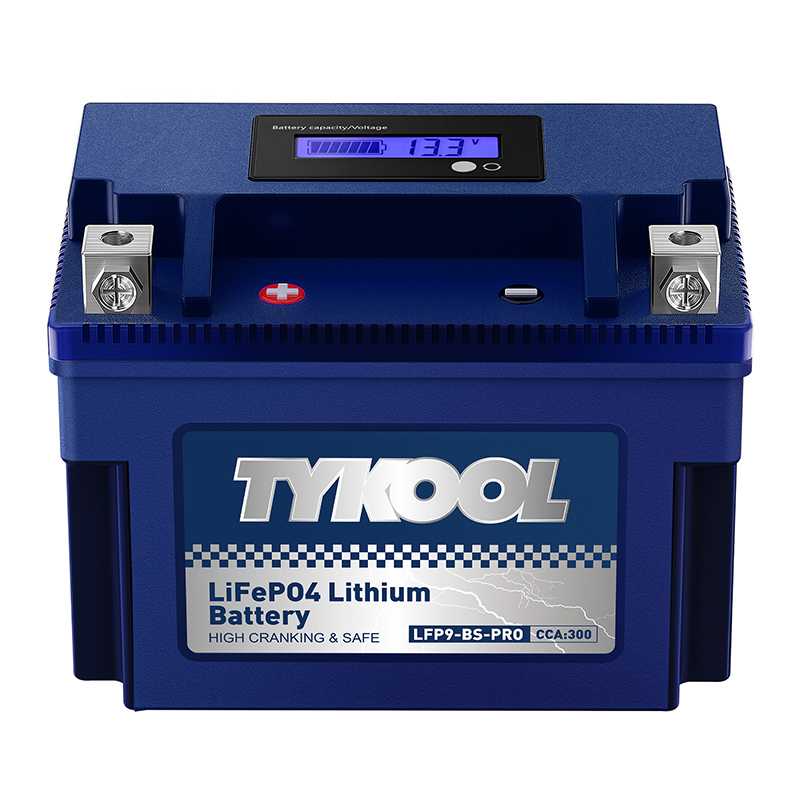
If you want to use a YTX4L-BS LiFePO4 Motorcycle Battery, check that your charging system and battery space match its specs. This battery is liked because it works well and fits many motorcycles.
When you pick a lithium motorcycle battery, your bike works better. These batteries are light, so your bike is easier to handle. You use less fuel because the battery does not weigh much. Your bike speeds up faster and the power feels smooth. This happens because lifepo4 batteries hold more energy. The battery lasts a long time and can sit unused without problems. Riders like that lifepo4 batteries do not need much care. They also do not leak, which keeps your bike clean.
|
Feature |
Benefit Description |
|---|---|
|
Lighter Weight |
Up to 70% lighter, enhancing handling and fuel efficiency. |
|
Faster Charging |
Reduces downtime, beneficial for daily use and racing. |
|
Energy Density |
Higher output with less waste, improving overall efficiency. |
You do not have to check the battery often. It stays strong even if you do not use your bike for a while.
Charging efficiency is important for all riders. Lifepo4 batteries charge much faster than lead-acid batteries. You do not wait long to ride your bike. Lithium batteries charge in just 1 to 3 hours. Lead-acid batteries take 8 to 10 hours to charge. Fast charging means your motorcycle is ready for trips or daily rides.
|
Battery Type |
Average Charging Time |
|---|---|
|
Lead-Acid |
8 to 10 hours |
|
Lithium |
1 to 3 hours |
Lifepo4 batteries help you save time and keep riding.
Lithium iron phosphate batteries are better for the environment. They do not have toxic stuff inside and you can recycle them. Lifepo4 batteries can be recycled up to 95%. This helps the planet because there is less waste. Picking these batteries is good for nature and keeps things safer.
|
Battery Chemistry |
Lithium Recovery Rate (%) |
|---|---|
|
Lithium Iron Phosphate (LFP) |
90-95 |
Using lifepo4 batteries is a smart way to help the earth.
Before choosing a Lithium Motorcycle Battery, check your charging system, weather, and battery fit. The charging system should give between 13.4v and 14.6v. Cold weather can make the battery work less well. Most motorcycles made after 1980 can use lithium batteries.