




SHOPPING CART(0)
Your cart is empty.
shop now
Your cart is empty.
shop now
Riders can stop most Lithium Motorcycle Battery problems. They should pick good products and use smart care habits. TYKOOL batteries work well and last a long time. Taking care of the battery and picking the right one helps motorcycles run well. Doing these easy things makes riding safer and keeps the battery healthy.
Pick TYKOOL Lithium Motorcycle Batteries because they are light and last long. They can last 5 to 10 times longer than normal batteries. - Charge your battery often, even after short rides. This stops deep discharge and keeps the battery working well. - Check the battery’s voltage every week with the digital display. A good battery will show between 12.8V and 13.4V.
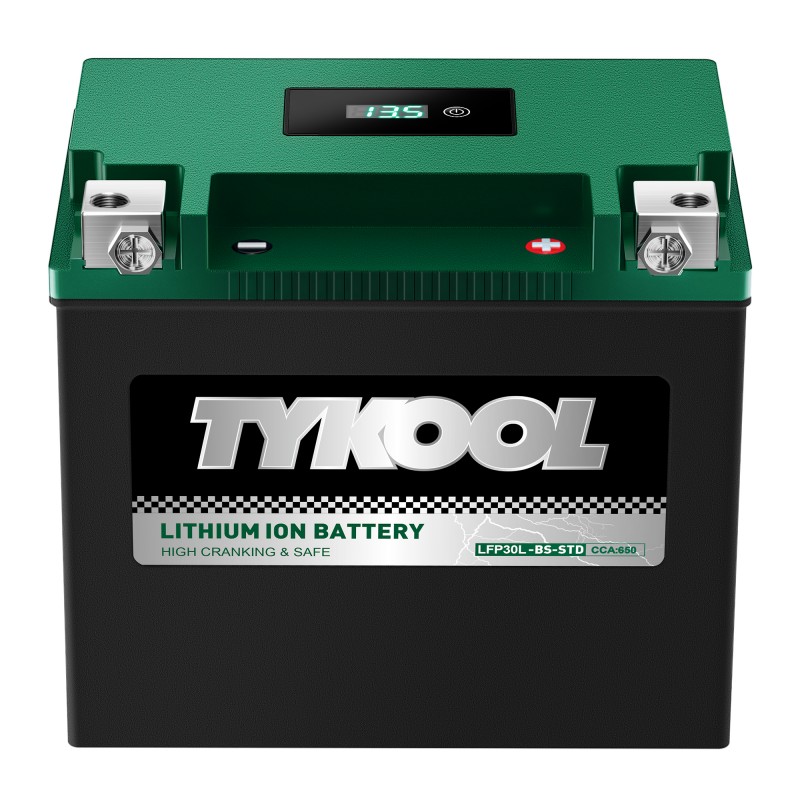
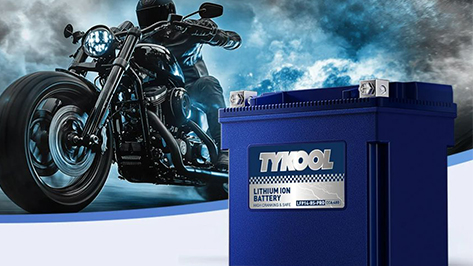
TYKOOL is a top brand for powersports batteries. The company uses special lithium iron phosphate (LiFePO4) technology in every Lithium Motorcycle Battery. This technology gives riders many good things, like better performance they can count on.
Lightweight Design: TYKOOL batteries are much lighter than lead-acid batteries. They are about one-third the weight. Riders can put them in and take them out without trouble.
Extended Lifespan: Each lithium battery for motorcycle use from TYKOOL lasts much longer than regular batteries. They last 5 to 10 times longer. Riders do not need to change them as often, so they save money and time.
Battery Management System (BMS): The BMS inside the battery keeps it safe. It stops overcharging, over-discharging, and too much current. It also makes sure all the cells work together for safety and good use.
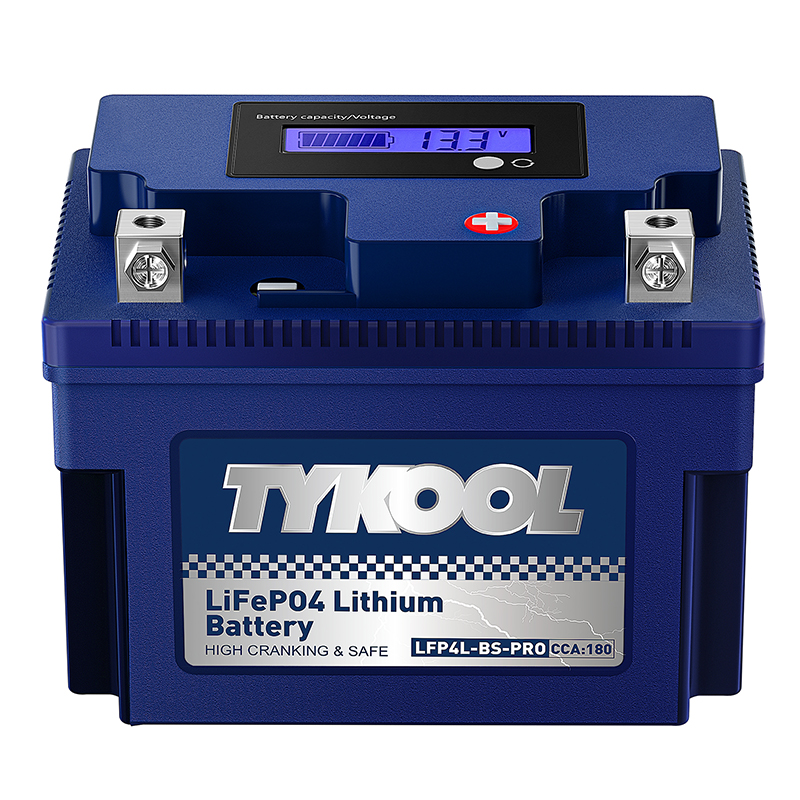
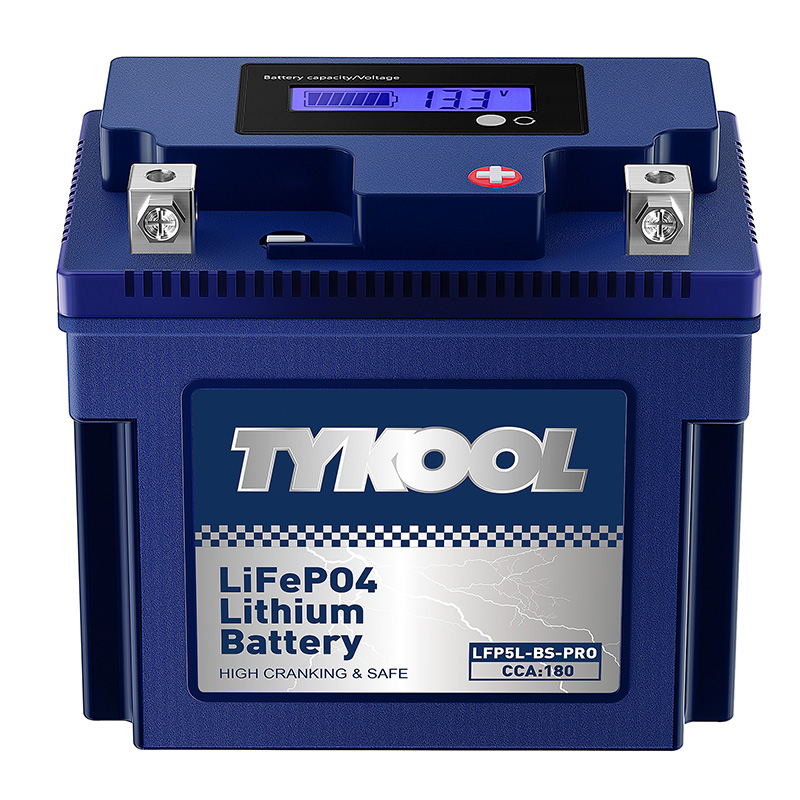
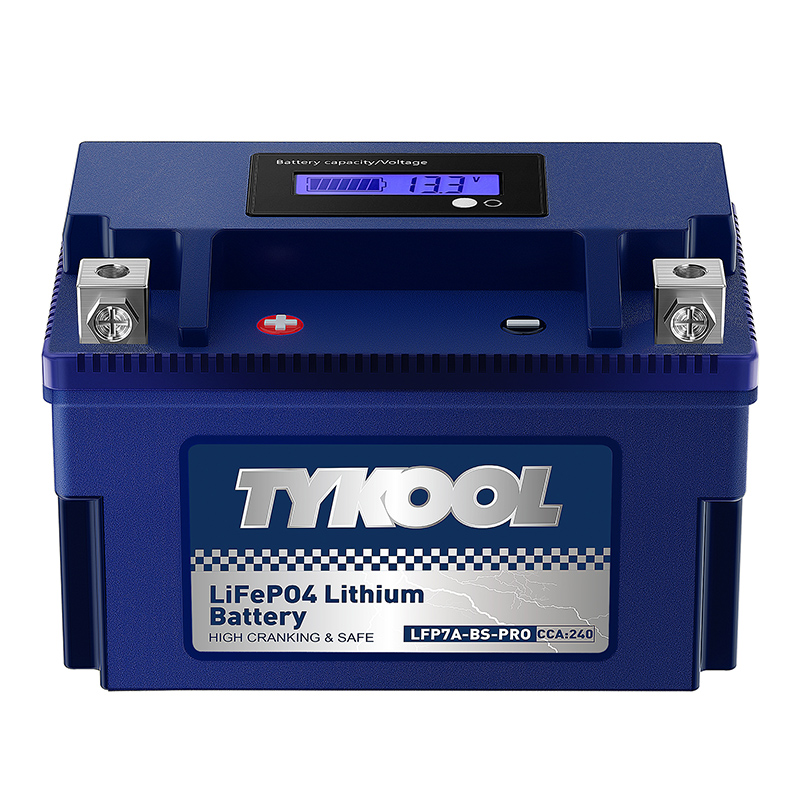
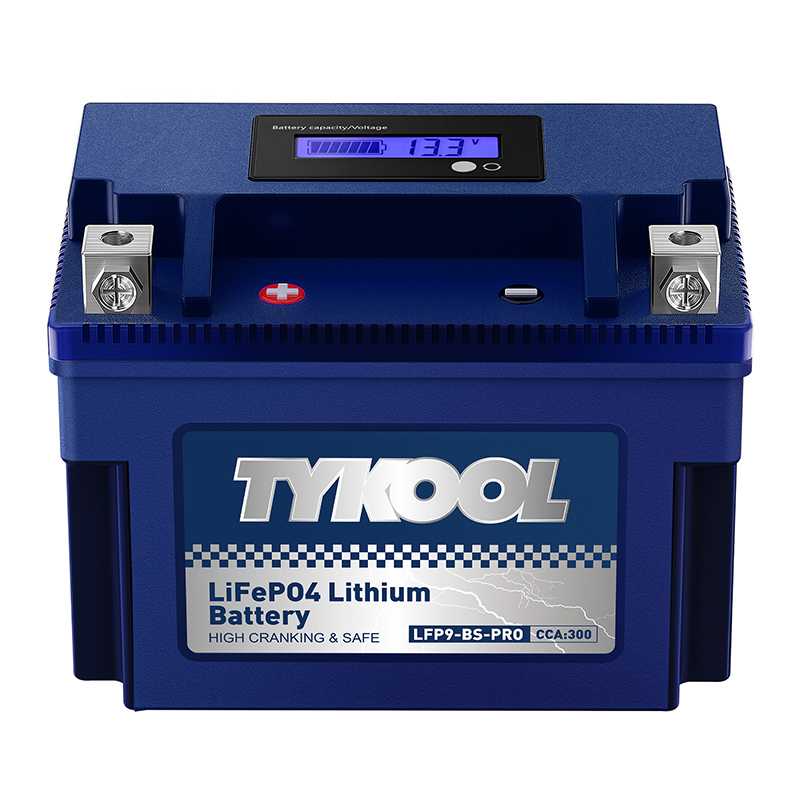
Digital Display: TYKOOL batteries have a digital display. Riders can see the battery’s voltage and how much power is left very quickly.
Tip: The 30L-BS Motorcycle LiFePO4 Battery is a great pick for people who want strong power and trust their battery.
|
Feature |
TYKOOL Lithium Motorcycle Battery |
|---|---|
|
Weight |
1/3 of lead-acid |
|
Lifespan |
5–10x longer |
|
BMS Protection |
Yes |
|
Digital Display |
Yes |
Many riders have problems with their Lithium Motorcycle Battery because they do not take care of it right or do not know enough. Some common problems are:
Charging the battery too much or too little
Using a charger that is not the right kind
Keeping the battery where it is too hot or too cold
Not paying attention to signs like the engine starting slowly
TYKOOL’s smart features help stop these problems. Riders who follow easy care steps get a battery that lasts longer and rides that are safer.
It is important to charge your battery often. This helps keep the lithium battery for motorcycle vehicles working well. TYKOOL batteries can charge fast. Riders can get power back quickly after riding. The Battery Management System (BMS) keeps the battery safe when charging. It stops the battery from getting too full. It also makes sure each cell is balanced for safety.
Riders should look at the battery’s voltage a lot. TYKOOL’s digital display makes this simple. The best voltage for a healthy Lithium Motorcycle Battery is between 12.8V and 13.4V. If the voltage goes lower, the battery will need charging soon. A battery maintainer can help keep the battery at the right level. This is good when the motorcycle is not used for a few days.
Tip: Charge the battery after every ride. This is extra important if the ride was short or the weather was cold. Doing this stops deep discharge and helps the battery last longer.
Picking the right charger is very important. TYKOOL says to use a charger made for lithium batteries. Regular lead-acid chargers can hurt a lithium battery for motorcycle use. The right charger makes charging safe and works well.
Do not charge the battery in places that are too hot or too cold. Extreme temperatures can slow charging and hurt the battery. TYKOOL batteries work well in cold weather. But it is still best to charge them in a cool, dry place. The 30L-BS Motorcycle LiFePO4 Battery charges fast and safe if you follow these rules.
|
Charging Tip |
Why It Matters |
|---|---|
|
Use a lithium-specific charger |
Prevents damage and ensures proper charging |
|
Monitor voltage regularly |
Detects early signs of battery trouble |
|
Avoid overheating |
Protects battery lifespan and performance |
|
Store and charge in cool areas |
Reduces risk of overheating and power loss |
Note: Do not leave the battery on the charger for a long time without watching it. The BMS helps protect the battery, but safe charging habits make it even safer.
If riders follow these charging and maintenance tips, their TYKOOL Lithium Motorcycle Battery will last longer. The battery will start the motorcycle well and keep rides safe.
TYKOOL batteries work well in many places. Riders should keep their batteries in a cool, dry spot. Too much heat can hurt battery cells and make them last less time. Sunlight makes batteries hotter and can cause them to lose power. Clean storage stops dust and water from getting on the battery. Riders should look at the battery terminals for dirt or rust and clean them with a dry cloth if needed.
Tip: Put the battery on a shelf or in a cabinet. This keeps it safe from water and quick changes in temperature.
TYKOOL’s eco-friendly design means the battery does not leak bad chemicals. This makes it safer for homes and garages. The lithium battery for motorcycle use from TYKOOL stays steady even when it is cold, so riders do not need to worry about freezing.
When riding season ends, riders should get their battery ready for storage. They should charge the 30L-BS Motorcycle LiFePO4 Battery all the way before storing it. A charged battery keeps power better and stays healthy longer. Riders should take the battery off the motorcycle if they will not use it for weeks.
A simple checklist helps keep the Lithium Motorcycle Battery in good shape:
Charge the battery to the right level.
Store in a cool, dry spot.
Check the digital display every month.
Clean the battery and terminals before using.
Doing these steps helps riders stop common battery problems and enjoy good starts every season.
TYKOOL batteries have a digital display. Riders can see important info right away. They check voltage, capacity, and charging status fast. This helps riders find problems early. Riders should look at the battery once a week. Press the display button to see the voltage. A healthy lithium battery for motorcycle use shows 12.8V to 13.4V. If the voltage is lower, the battery needs charging or checking.
Riders should follow these steps:
Check the digital display for voltage and capacity.
Look for dirt or rust on the terminals.
Make sure the battery case is clean and dry.
Check that the battery fits tight in its spot.
Tip: The digital display makes checks easy. This habit stops sudden battery problems and keeps the battery ready.
|
Inspection Step |
What to Look For |
|---|---|
|
Digital Display Check |
Voltage (12.8V–13.4V) |
|
Terminal Inspection |
Clean, corrosion-free terminals |
|
Case Condition |
No cracks, moisture, or dirt |
|
Battery Fit |
Secure placement |
Early warning signs help riders fix problems before they get worse. Riders should watch for these signs:
The engine starts slow or has trouble turning over.
The digital display shows voltage under 12.8V.
The battery loses charge fast after riding.
The display flashes error codes or strange numbers.
If riders see these signs, they should charge the battery and check for loose wires. If problems keep happening, ask a professional for help. TYKOOL’s Battery Management System protects against many issues. Regular checks keep the Lithium Motorcycle Battery working well.
Alert: Ignoring warning signs can hurt the battery. Acting fast keeps the battery healthy and helps it last longer.
Checking the battery often and watching for warning signs helps riders stop common battery problems. TYKOOL’s smart features make checking the battery simple and useful.
Some riders ask if short or long rides change battery health. Short rides do not let the battery recharge all the way. The alternator may not give back all the power used to start the engine. This can make the battery lose charge and work less well over time. Long rides help the lithium battery for motorcycle vehicles get fully charged. The alternator runs longer and keeps the battery strong. Riders who take lots of short trips should check the battery’s voltage often. TYKOOL’s digital display makes checking simple. The 30L-BS Motorcycle LiFePO4 Battery works for both short and long rides. Regular checks help stop problems before they start.
Tip: If you take many short rides, use a battery maintainer. This keeps the charge level high.
A simple routine helps riders stop common Lithium Motorcycle Battery problems. TYKOOL’s features make these steps fast and easy. Riders should follow this checklist:
Check the digital display for voltage and capacity every week.
Clean the battery terminals and case to stop dirt and rust.
Make sure the battery sits tight in its compartment.
Charge the battery after short rides or if voltage drops below 12.8V.
Store the battery in a cool, dry place when not using it.
Taking care of the battery and riding smart helps it last longer. This keeps the motorcycle ready for every ride.
Riders can stop most lithium battery for motorcycle problems with easy steps. TYKOOL’s special features help the battery last longer and work better. Riders look at the voltage, wipe the terminals, and keep batteries in the right place. The 30L-BS Motorcycle LiFePO4 Battery lets riders check the battery easily. Riders make a list and do these things often.
Check voltage every week
Clean terminals often
Store in cool and dry spots