




SHOPPING CART(0)
Your cart is empty.
shop now
Your cart is empty.
shop now
Harsh ocean environments ruin normal watercraft batteries.
Fast waves cause violent shocks. Salt spray brings rust. Hot engine rooms create severe heat. Dangerous acid leaks out often.
Smart design solves these tough problems. Modern lithium battery for jet ski builds use strong parts. They have sealed IP-rated covers. Solid potting holds cells still. Special marine alloys protect metal terminals. Safe LiFePO4 chemistry stops fires. Clever BMS systems add extra safety. These upgrades help batteries survive anything.
Fast ocean waves hit boats hard. This ocean pounding sends shockwaves inside. These shocks hit the boat hull. They reach the electrical system too. Old lead-acid batteries break down fast. Rough wave impacts break lead plates. Fast shockwaves snap connection tabs quickly. Power material falls off lead grids. It gathers at the bottom. This loose metal creates short circuits. It causes sudden power failure.
New marine power systems use solid damping. This stops damage from strong vibrations. Cell potting fills spaces with epoxy. Or it uses dense polyurethane. Liquid resin fills every small space. It turns into a hard block. This process seals all battery cells. It covers fragile circuit boards too. It hides all electrical wires well. Everything becomes one single block.
Solid potting absorbs strong wave shocks. This happens during fast water turns. It stops cell tabs from moving. This prevents metal fatigue and breaks. Soft materials cushion all wire paths. They protect against strong vertical G-forces. The solid block holds parts still. This shock damping keeps power stable. It protects parts during ocean pounding.
Engineers build strong outer battery cases. Tough plastic cases take big hits. They do not bend or crack. Thick walls handle huge physical stress. They survive in rough marine places. Strong mounts lock the case down. They hold it in the engine bay. Secure hold-downs stop all battery movement. The battery stays put during jumps.
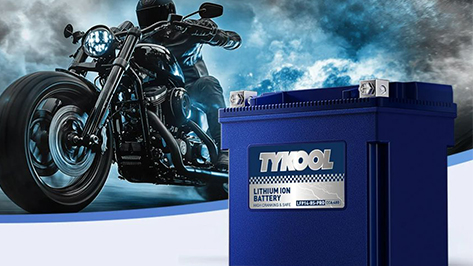
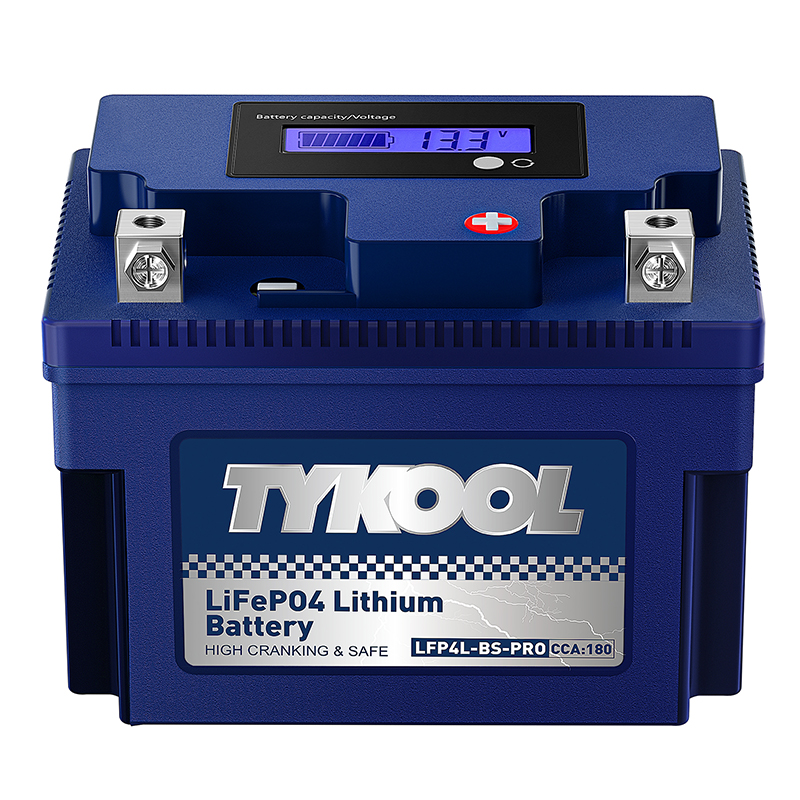
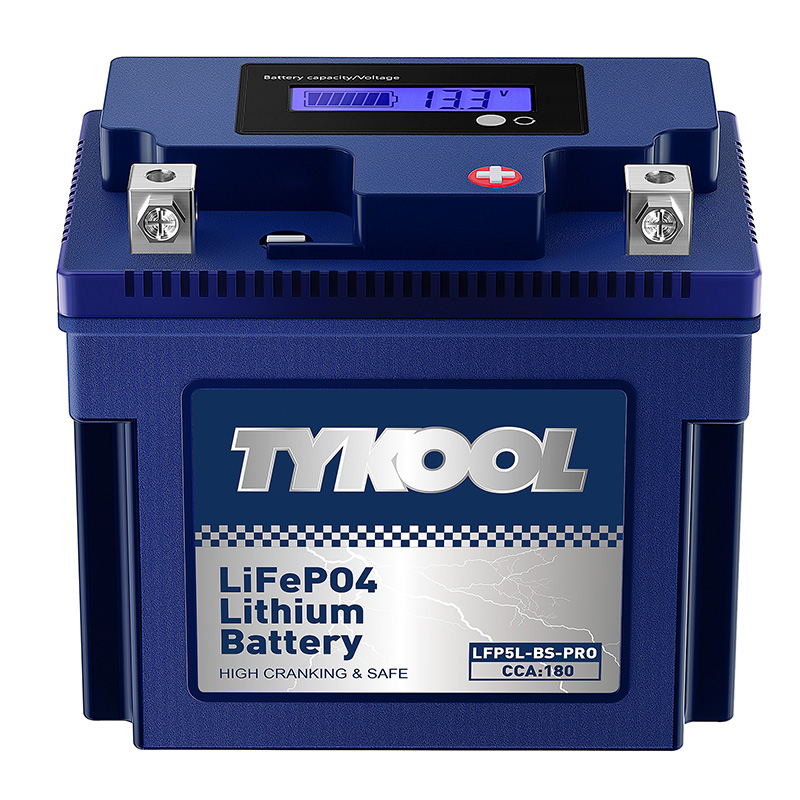
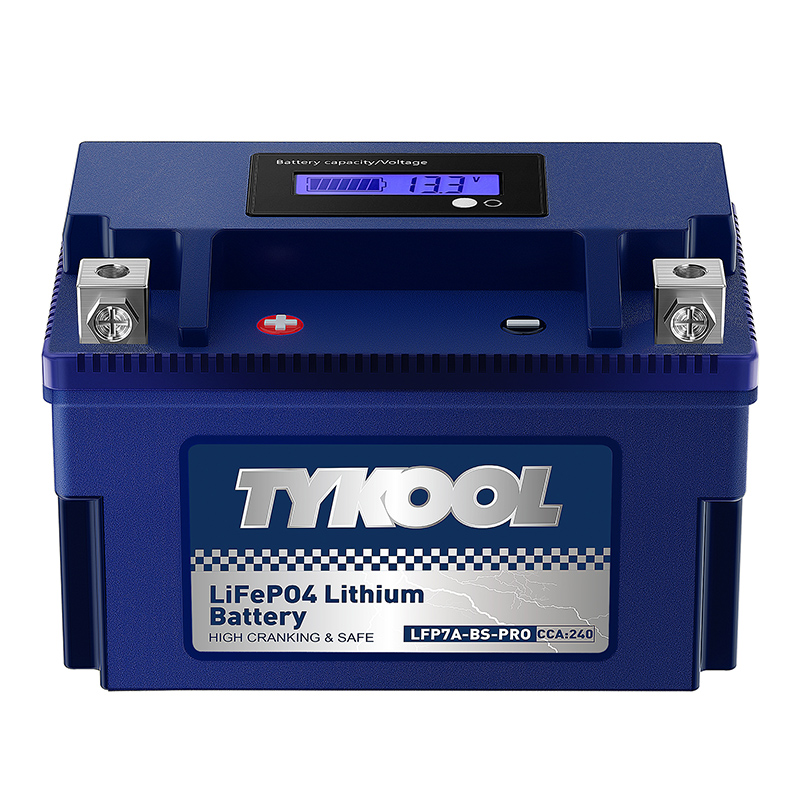
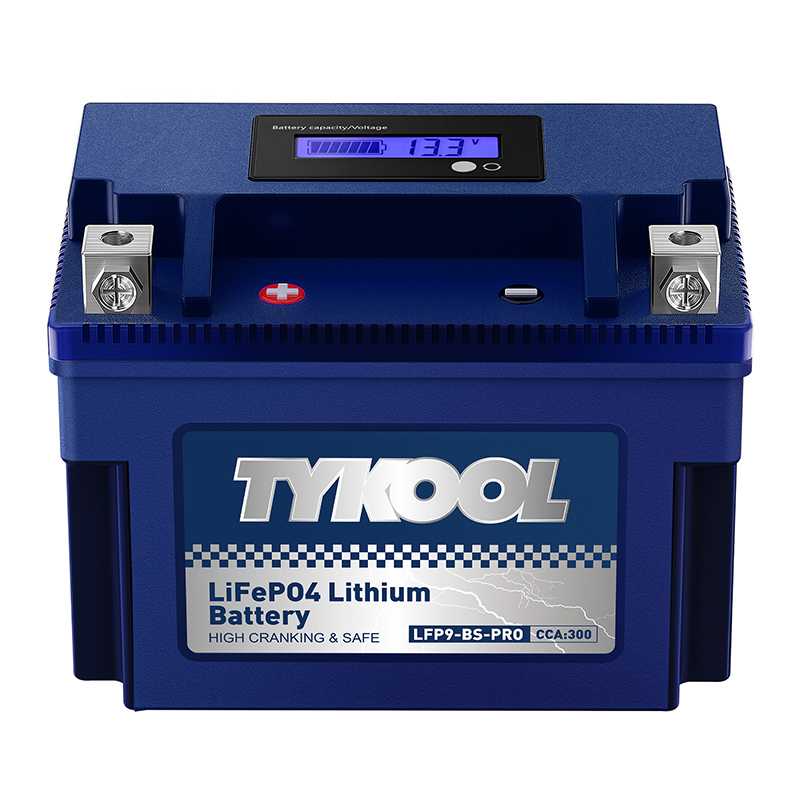
TYKOOL LiFePO4 batteries show this protection. They use tough LiFePO4 cell tech. These power packs endure rough waves. Using a modern lithium battery for jet ski builds cuts total weight. TYKOOL units weigh much less. They are one-third of lead-acid weight. This big weight loss helps boats. It makes the boat hull lighter.
A light hull speeds up faster. It handles top speeds much better. It reduces shock forces on mounts. TYKOOL batteries offer ten times more starts. They give three times more power. The tough build protects the battery. It delivers reliable starting power everywhere. It works well on rough seas.
Salt water breaks electric parts fast. Sea spray brings salt inside. Salt gathers engine bay moisture. This creates a dangerous wet layer. The wet layer speeds up rust. It ruins key electrical paths. Good designs block saltwater. They protect weak inner parts.
Fast watercraft need complete water protection. Engineers use strong sealing tricks. They shield the inner power system. A good lithium battery for jet ski uses a sealed case. Brands test cases under tough rules. They use IP67 or IP68 tests. IP67 stops all fine dust. It protects against brief underwater dips. IP68 allows total ocean submersion.
Ultrasonic welds fuse case halves together. They form one single shell. High-grade rubber seals line all joints. These gaskets resist oil and fuel. They stop damage from salt. Smart vents use special membranes. Gas escapes during heat changes. Liquid water cannot enter. The sealed case stops salt. This prevents sudden short circuits. It keeps power strong always.
Outer battery posts touch salt air. Standard copper rusts very quickly. Marine designs use strong brass alloys. Tinned copper works great too. Plated tin stops fast rust. Metals stay clean and strong. They keep power flowing well. Stainless steel bolts hold wires tight. They stop loose battery cables.
Inner circuit boards need safety too. Workers spray special plastic coatings. They follow strict IPC standards. Silicone films cover small microchips. They cover all solder spots. This barrier stops high humidity. It blocks leftover salt vapors. Robots spray coatings very evenly. Thickness stays the same everywhere. Strong outer metals stop rust. Inner coatings protect sensitive electronics. A lithium battery for jet ski stays reliable. It works well all year.
Old watercraft batteries have spill hazards. Hard moves make them tilt. Big wave jumps shake power units. Sudden capsizing flips them violently. Old designs spill hazardous sulfur liquids. Acid leaks into the hull. This happens during hard landings. These liquids burn fiberglass hulls quickly. They weaken support brackets over time. Acid ruins electrical wiring fast.
New LiFePO4 technology removes liquid hazards. Solid chemical construction makes this possible. Dry lithium cells contain zero liquids. They use no toxic heavy metals. Boaters eliminate acid spills completely. Engine bays stay totally clean. This leak-free design protects critical hulls. It preserves ocean ecosystems from chemicals.
Hot ocean weather creates severe challenges. Enclosed motor compartments trap extra heat. Engine exhaust raises air temperatures. This happens fast during long runs. Excessive heat causes power loss. It accelerates strain on battery parts. Marine engineers solve high heat risks. They use smart management systems.
Inner circuit boards monitor temperatures continuously. They check health in real time. The digital system tracks voltage flow. It measures current levels and heat. Smart controls shut down power automatically. This stops dangerous high-stress conditions. These protective actions stop internal overheating. They prevent sudden short circuits. The BMS protects long-term cell health. It works well in harsh places.
Pick the right battery with care.
Watercraft engines need strong starting power.
This helps start engines in cold water.
A good lithium battery for jet ski works.
It gives three times more power.
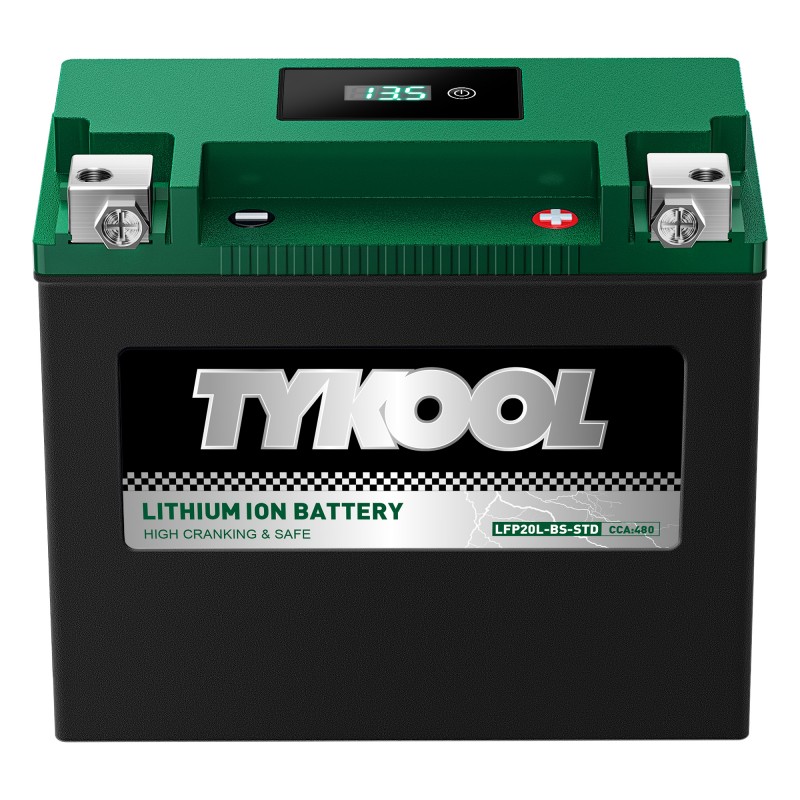
Options like the YTX20L-BS Lithium Battery help.
They use a safe lead-free design.
This build removes all bad metals.
Fast charging keeps watercraft ready always.
TYKOOL LiFePO4 batteries charge in one hour.
A smart BMS protects the unit.
It stops overcharging and deep discharge.
Some models show live battery stats.
Local U.S. shipping offers quick delivery.
Basic care keeps battery power strong.
Clean terminals with baking soda water.
This mix removes light surface rust.
It keeps electric power flowing well.
Check mounting trays very often.
Tight brackets stop battery movement.
This helps during sharp ocean turns.
Winter care keeps inner cells healthy.
Disconnect power cables for winter storage.
Store light units in dry spots.
This stops bad environmental stress.
Check voltage levels now and then.
This simple step stops deep discharge.
It keeps cell power balanced well.
Smart boat designs fix big ocean problems. They use solid cell potting. They use sealed IP-rated covers. They use safe LiFePO4 cells. Smart BMS systems help too. Upgrading to a special lithium battery for jet ski builds helps. Units like TYKOOL give fast starting power. They lower total hull weight. They improve fuel use. They cause zero acid risks. Switch to marine lithium power today. Get reliable power every season.
Solid cell potting fills spaces using epoxy resin. The firm block holds internal parts locked. It absorbs strong wave shock. This cushions tabs from breaking.
Yes. Marine power units use sealed cases. IP67 and IP68 designs block water. Outer shells stop salt intrusion. They shield inner circuits from shorting. Rust stays away entirely.
New LiFePO4 batteries allow fast 1C charging. Ski owners reach full power fast. It takes just one hour. This cuts waiting time greatly.