




SHOPPING CART(0)
Your cart is empty.
shop now
Your cart is empty.
shop now
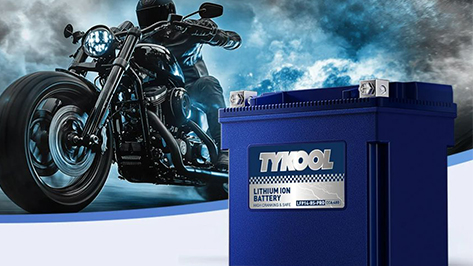
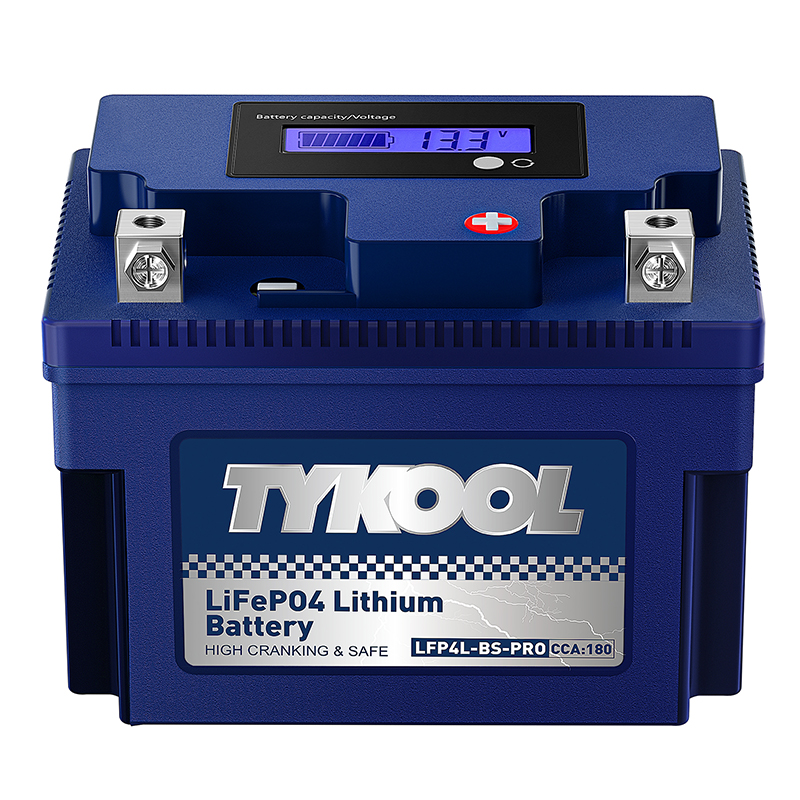
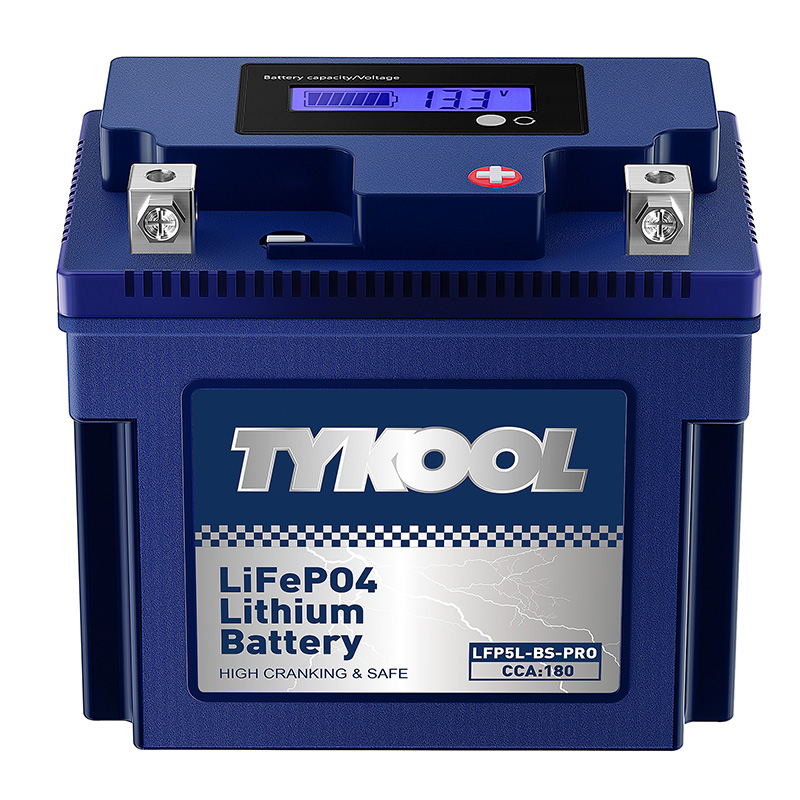
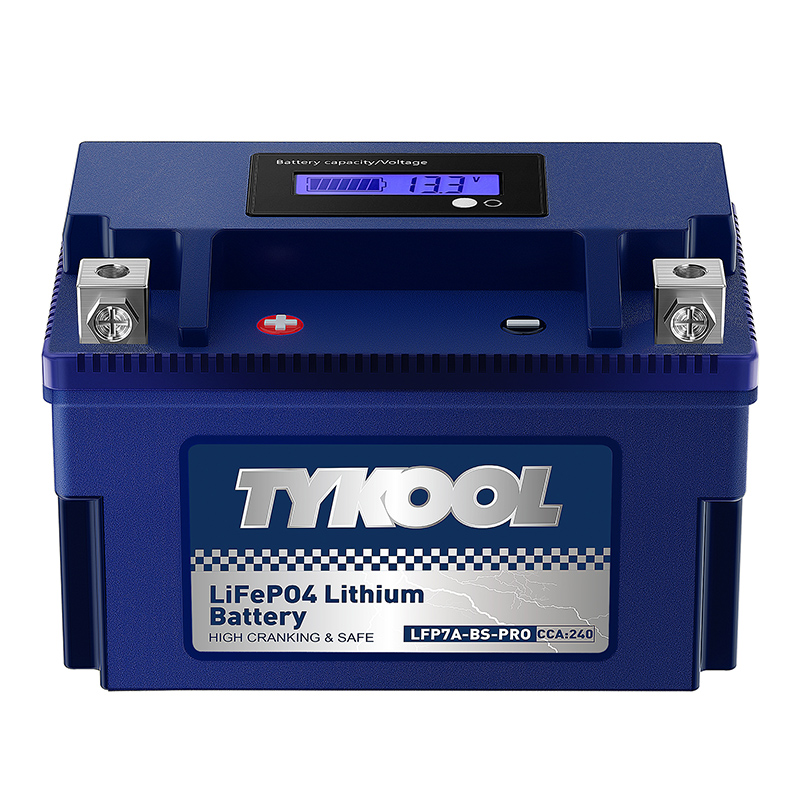
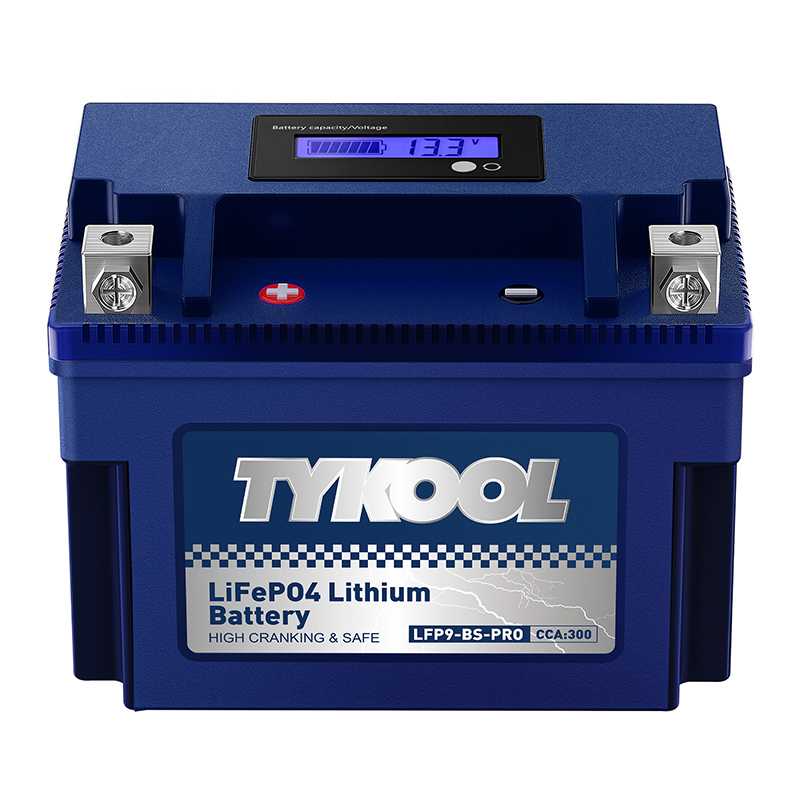
In a world powered by portable energy, the story of lithium batteries is one of innovation, persistence, and gradual breakthroughs. Today, advanced products like the Tykool YTX9-BS UTV Battery and other high-performance TYKOOL lithium battery models carry this legacy forward, providing lightweight, long-lasting power for motorcycles, UTVs, and powersports vehicles.
Why Lithium Matters: A Leap Beyond Traditional Batteries
Battery development isn’t new. For over a century, scientists have been experimenting with chemical energy storage in various forms—from early lead-acid cells to nickel-cadmium packs. But it wasn’t until the 20th century that lithium began to stand out. Lithium, the lightest solid metal with a high electrochemical potential, offered the perfect combination of light weight and energy capacity, making it an ideal candidate for next-generation batteries.
Initial research into lithium batteries started in the 1960s and 1970s with experiments on how lithium could be used in rechargeable systems. One of the first workable designs came from British chemist M. Stanley Whittingham, who pioneered early lithium battery concepts using layered materials that could host lithium ions. Although his design was not commercially viable due to safety and durability issues, it laid the foundation for what was to come.
The Modern Lithium-Ion Revolution
The real turning point came in the 1980s. Researchers like John Goodenough improved cathode materials to increase voltage and capacity, while Akira Yoshino developed the first safe, rechargeable lithium-ion battery by using carbon-based materials for the anode. This approach controlled the movement of lithium ions between electrodes in a way that was stable and practical for everyday use.
By 1991, Sony had commercialized lithium-ion batteries, transforming the electronics industry. Suddenly, mobile phones, laptops, and portable devices could operate longer on smaller, lighter power sources. Over the next decades, this technology expanded beyond consumer electronics into electric vehicles, renewable energy storage, and specialized applications—like powersports batteries.
LiFePO₄ and the Rise of Safer, Longer-Lasting Cells
Among the many lithium battery chemistries, lithium iron phosphate (LiFePO₄) emerged as a standout choice for applications requiring durability and safety. With a more stable chemical structure compared to some older lithium-ion variants, LiFePO₄ cells offer improved cycle life, better thermal stability, and consistent performance. That’s why many modern powersports batteries—including those offered on the Tykool site—use this chemistry to deliver reliable, maintenance-free power.
From Lab to Trail: Why Lithium Powersports Batteries Matter Today
Products like the Tykool YTX9-BS UTV Battery highlight how far lithium technology has come. Compared to traditional lead-acid alternatives, these lithium batteries are significantly lighter, offer faster starts, and can withstand many more charge-discharge cycles without significant degradation. Unlike early experiments that focused on theoretical advantages, today’s lithium batteries combine performance with real-world reliability for riders and outdoor enthusiasts.
Moreover, modern TYKOOL lithium battery models are designed with built-in battery management systems (BMS) that protect against overcharge, over-discharge, and short circuits—features unheard of in the early days of lithium research.
Looking Ahead: The Legacy of a Power Revolution
From the laboratories of the 1970s to the rugged terrain of UTV trails, lithium battery technology has fundamentally reshaped how we store and use energy. The path from the first lithium experiments to cutting-edge products like Tykool YTX9-BS UTV Battery demonstrates not only scientific progress but also how innovation responds to real needs—lighter weight, longer life, and greater reliability.
As lithium technology continues to evolve, we can expect even greater improvements in energy density, safety, and sustainability—ensuring that lithium batteries remain at the heart of portable power for decades to come.