




SHOPPING CART(0)
Your cart is empty.
shop now
Your cart is empty.
shop now
In the past decade, lithium battery technology has shifted from a niche power source to a cornerstone of modern life. From powering everyday electronics to enabling high-performance vehicles, lithium batteries are reshaping how we interact with energy — driving innovation, sustainability, and convenience across industries.
The Rise of Lithium Batteries
At the heart of this revolution is the lithium-ion chemistry, prized for its high energy density, long lifespan, and fast charging capability. Unlike traditional lead-acid batteries, lithium batteries deliver more power in a lighter, more compact package, making them an ideal choice for a wide range of applications. They are now widely used in consumer electronics, electric vehicles, stationary energy storage systems, and more. Their adaptability and efficiency have made them a critical tool in the global transition to cleaner energy solutions.
Transforming Personal and Powersports Mobility
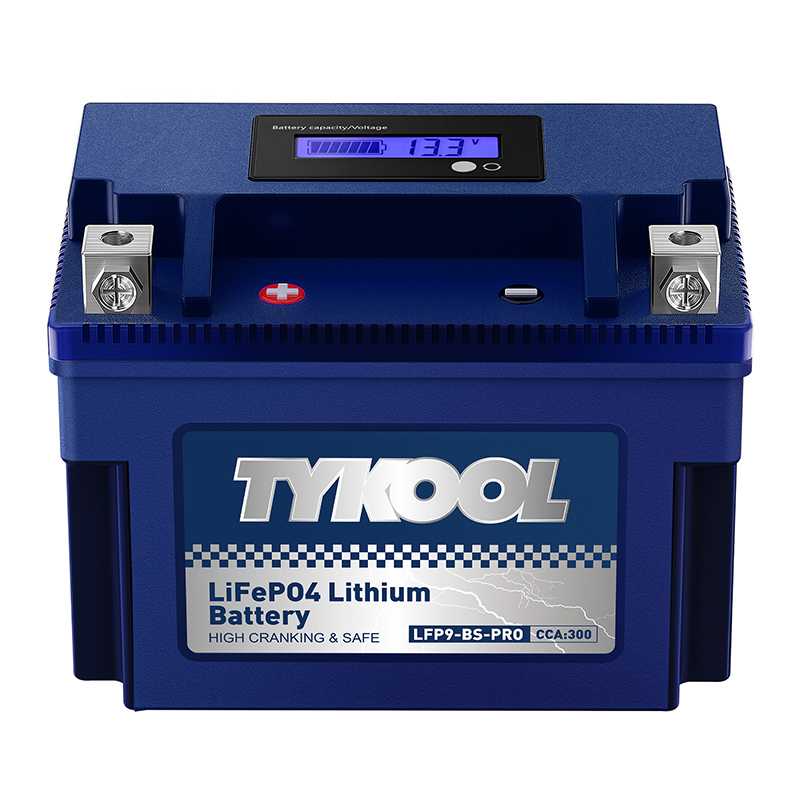
Lithium batteries have had a particularly strong impact in the powersports world. Enthusiasts and professionals alike are turning to lithium batteries for ATV solutions for improved performance and reliability. These batteries are significantly lighter than their lead-acid counterparts, reducing the overall vehicle weight and enhancing responsiveness — a major advantage for off-road riding.
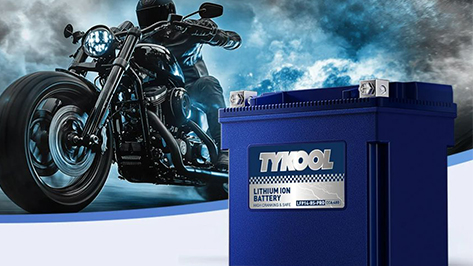
Similarly, Motorcycle Lithium Batteries have revolutionized biking culture. By offering faster starts, longer cycles, and better cold-weather performance, riders enjoy a more dependable and maintenance-free experience. Many models can charge more quickly and sustain more charge cycles over their lifetime, reducing both downtime and long-term costs.
Beyond Vehicles: Powering Everyday Life
While mobility applications draw much of the spotlight, the influence of lithium batteries extends far beyond. They are essential in:
These wide-ranging applications highlight how lithium batteries have become integral to modern infrastructure and everyday convenience.
Sustainability and Lifecycle Considerations
As the world increases its dependence on lithium batteries, sustainability becomes a major focus. The industry is actively addressing challenges related to raw material sourcing, battery recycling, and lifecycle emissions. Advanced recycling techniques can recover key materials and reduce environmental impact, while research into next-generation chemistries aims to further increase safety and performance.
Moreover, innovations aimed at improving the recyclability and second-life applications of batteries ensure that they continue contributing to a circular economy, supporting both environmental goals and industrial growth.
The Road Ahead
Lithium batteries are not just a technological milestone — they are shaping the future of energy usage and mobility. As advancements continue, we can expect even greater performance, longer lifespans, and broader adoption. Whether powering an adventure on an ATV, enabling longer rides on a motorcycle, or storing energy from renewable sources, the impact of lithium batteries on society is profound and growing.