




SHOPPING CART(0)
Your cart is empty.
shop now
Your cart is empty.
shop now
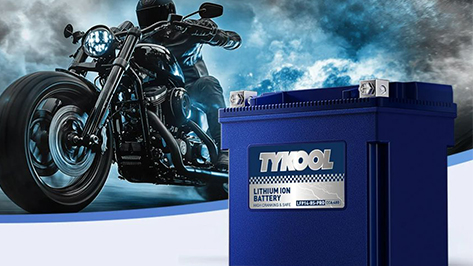
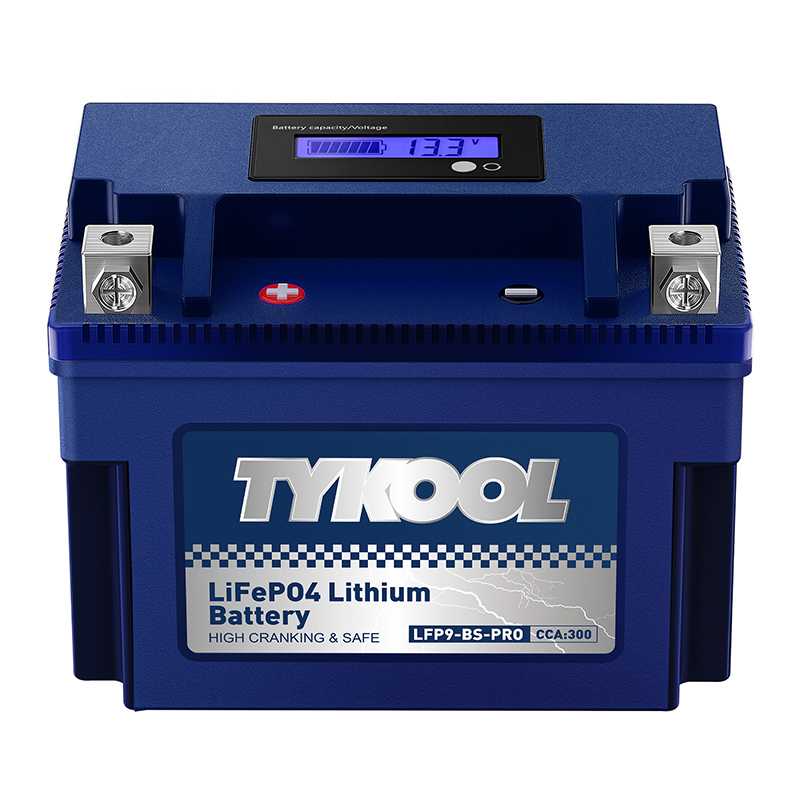
Lithium Batteries for Powersports provide fast, dependable energy for vehicles like motorcycles and ATVs. TYKOOL Lithium Batteries change how riders experience power and reliability. Riders trust these batteries for tough conditions, including using a lithium battery for snowmobile or seeking a Harley davidson lifepo4 battery replacement.
Lithium batteries provide lightweight and long-lasting energy for powersports vehicles, improving handling and reducing maintenance costs.
TYKOOL Lithium Batteries feature advanced safety systems, ensuring protection against overcharging and temperature extremes for peace of mind.
The future of lithium battery technology includes innovations like solid-state batteries, which promise faster charging and greater efficiency for riders.
Powersports vehicles require strong and reliable energy sources. These vehicles operate in demanding environments and often face extreme temperatures, rough terrain, and frequent starts and stops. Many riders choose Lithium Batteries for Powersports because they deliver consistent power and last longer than traditional batteries. The main types of vehicles that benefit from this technology include:
Motorcycles
ATVs
UTVs
Personal watercraft
Snowmobiles
A lithium battery for snowmobile provides reliable starting power even in cold weather. Riders who need a Harley davidson lifepo4 battery replacement also turn to advanced lithium options for better performance.
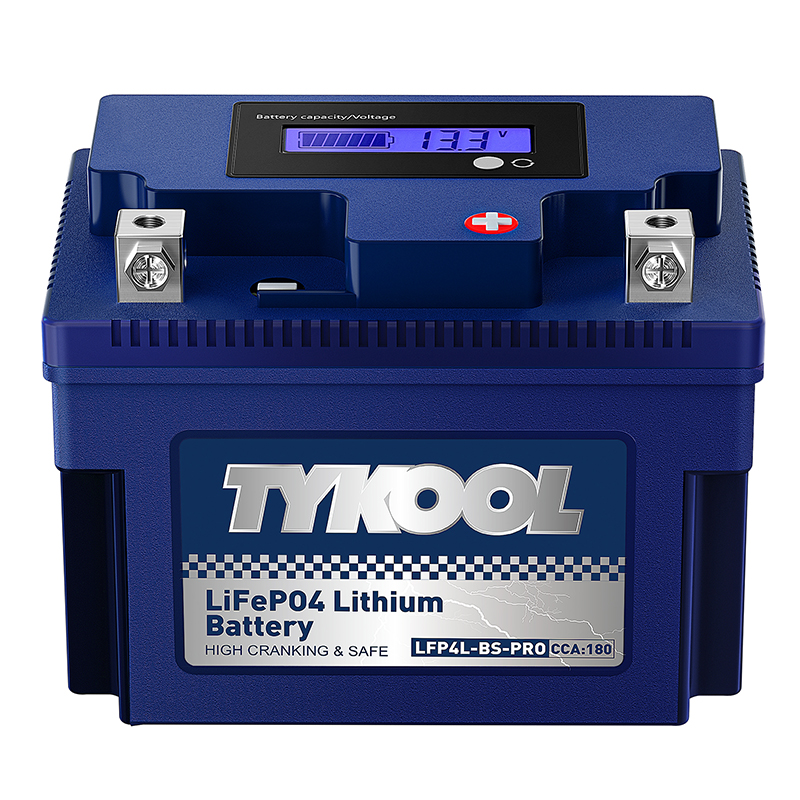
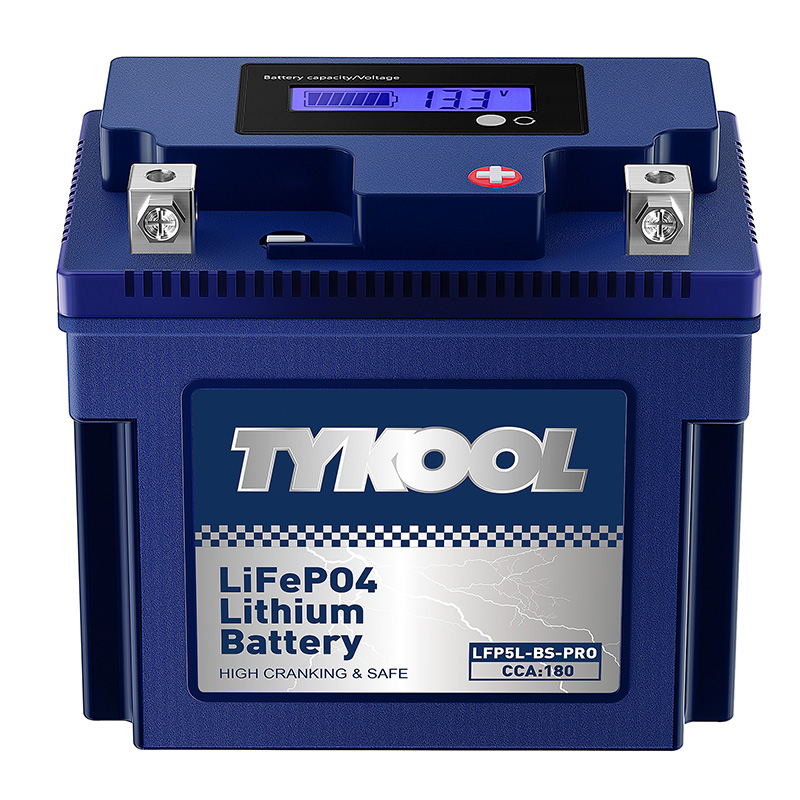
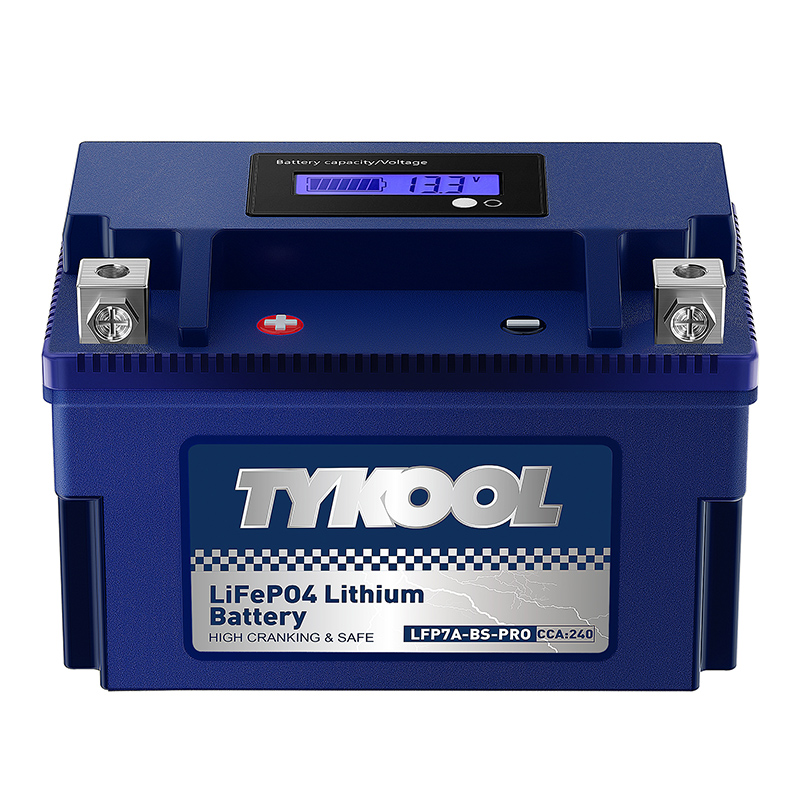
Powersports vehicles need batteries that can handle high energy demands. TYKOOL stands out as a leader in lithium battery technology for these applications. TYKOOL Lithium Batteries use advanced Lithium Iron Phosphate (LiFePO4) cells. These batteries weigh about one-third of traditional lead-acid batteries, making them easier to install and transport. They also last five to ten times longer, which reduces the need for frequent replacements.
The built-in Battery Management System (BMS) protects against overcharging, over-discharging, and overcurrent. Cell balancing technology helps extend battery life and maintain top performance. TYKOOL batteries charge quickly, reaching full capacity in as little as 1.8 hours.
TYKOOL Lithium Batteries for Powersports are also eco-friendly. They do not contain harmful heavy metals or corrosive liquids, making them safer for users and the environment.
Lithium batteries have transformed the powersports industry by offering a lightweight solution that improves vehicle handling and efficiency. TYKOOL Lithium Batteries weigh up to 70% less than traditional lead-acid batteries. Riders notice the difference when they install a lithium battery for snowmobile or upgrade to a Harley davidson lifepo4 battery replacement. The reduced weight makes vehicles easier to maneuver and enhances overall performance.
The following table shows how lithium batteries compare to lead-acid batteries in terms of weight and energy density:
|
Battery Type |
Weight Comparison |
Energy Density (Wh/kg) |
|---|---|---|
|
Lithium-ion |
Up to 50% lighter |
Over 150 |
|
Lead-acid |
Heavier |
45−50 |
TYKOOL Lithium Batteries also last much longer than lead-acid batteries. Riders can expect a lifespan that is five to ten times greater, which means fewer replacements and less maintenance. The extended cycle life reduces costs over time and ensures reliable power for every ride.
Lithium Batteries for Powersports deliver superior performance compared to lead-acid batteries. TYKOOL batteries provide higher cold cranking amps, faster recharge times, and better reliability in extreme temperatures. Riders who use lithium batteries experience quick starts, even in cold weather, and spend less time waiting for their batteries to recharge.
Key performance advantages include:
Up to 70% lighter, which improves handling and acceleration.
Faster charging, allowing riders to get back on the road quickly.
Better cold weather performance, which increases cold cranking amps for reliable starts.
The table below highlights the main differences between lithium and lead-acid batteries in real-world powersports scenarios:
|
Feature |
Lithium Batteries |
Lead-Acid Batteries |
|---|---|---|
|
Weight |
Approximately 70% lighter |
Heavier |
|
Maintenance |
Maintenance-free |
Requires regular maintenance |
|
Spillage |
Unspillable |
Prone to spilling and leakage |
|
Lifespan |
About twice the lifespan |
Shorter lifespan |
|
Cranking Amps |
About twice the cranking amps |
Lower cranking amps |
Many riders choose TYKOOL for Harley davidson lifepo4 battery replacement because they want better starting power and longer battery life. The maintenance-free design and unspillable construction make TYKOOL batteries a safer and more convenient choice for all powersports vehicles.
Safety remains a top priority for lithium battery manufacturers. TYKOOL Lithium Batteries include advanced safety features that protect both the rider and the vehicle. The built-in Battery Management System (BMS) monitors and controls charging, discharging, and temperature. Cell balancing technology ensures each cell operates at optimal levels, which extends battery life and prevents failures.
Modern BMS features include:
Over-discharge protection
Overcharge protection
Short-circuit safeguards
Cell balancing
Thermal management
These features work together to reduce the risk of fire, prevent overcharging, and extend the service life of the battery. Riders benefit from peace of mind, knowing their battery is protected against common hazards. TYKOOL’s commitment to safety and innovation sets a new standard for powersports energy solutions.
Tip: Riders should always check the digital display on TYKOOL batteries to monitor voltage and capacity. This simple step helps maintain battery health and ensures reliable performance.
Lithium batteries power many powersports vehicles, but they also bring certain risks. Some incidents have involved overheating or fires when batteries were not properly managed. Manufacturers now focus on safety to prevent these problems. TYKOOL uses a built-in Battery Management System (BMS) and cell balancing to protect against overcharging, short circuits, and extreme temperatures. Riders who use a lithium battery for snowmobile or need a Harley davidson lifepo4 battery replacement benefit from these safety features.
International safety standards guide how companies design and build lithium batteries. These standards help keep riders and vehicles safe. The table below shows some important standards:
|
Standard |
Description |
|---|---|
|
UL 2272 |
Evaluates hazards from dropping devices, ensuring no explosion, fire, or electric shock occurs. |
|
UL 2849 |
Addresses construction and performance requirements for e-bikes, focusing on environmental and mechanical hazards. |
|
UL 2271 |
Covers safety aspects of battery packs for light electric vehicles, ensuring they are safe for various applications. |
TYKOOL follows these standards to ensure every battery meets strict safety rules.
Some riders find lithium batteries more expensive than lead-acid options. High costs and limited recycling programs can slow adoption. The table below explains these barriers and possible solutions:
|
Barriers to Adoption |
Solutions to Challenges |
|---|---|
|
High costs |
Developing affordable manufacturing processes |
|
Limited recycling infrastructure |
Implementing robust recycling programs |
|
Safety concerns |
Enhancing safety protocols |
As technology improves, more riders will have access to reliable and safe lithium batteries for their powersports vehicles.
Lithium battery technology continues to evolve rapidly, bringing new possibilities to powersports and beyond. Solid-state batteries represent one of the most promising advancements. These batteries use a solid electrolyte instead of a liquid one, which increases safety and efficiency. Solid-state batteries charge much faster, sometimes as quickly as refueling a gas vehicle, and they show minimal degradation over time. This means riders can expect longer-lasting and more reliable power sources for their vehicles.
Manufacturers now design batteries to withstand the toughest conditions. Many models feature IP67 sealing for dust and water resistance, making them suitable for off-road and marine environments. Vibration testing ensures batteries can handle rough terrain, while marine-grade construction adds extra durability. Riders benefit from batteries that are up to 70% lighter than traditional options, offer high cranking power for fast starts, and recharge rapidly. Some lithium batteries now deliver over 3,000 cycles, providing a maintenance-free experience and ultra-low self-discharge rates. These innovations make products like TYKOOL Lithium Batteries for Powersports a top choice for those seeking reliability and performance.
Improvements in energy density have also transformed the industry. The energy density of lithium-ion cells has doubled over the past decade. Higher energy density allows batteries to store more electricity without increasing size or weight. This leads to better performance and longer range for powersports vehicles. For example, some large battery models can now achieve nearly 300 miles of added range in a single stop. Verge’s new solid-state battery pack demonstrates this progress, offering up to 370 miles of range and charging from 0–80% in under 10 minutes. These advancements support applications such as a lithium battery for snowmobile, where extended range and quick charging are essential.
Sustainability remains a key focus for lithium battery manufacturers. Companies like TYKOOL work to reduce environmental impact through responsible design and recycling initiatives. The circular economic model encourages reusing and recycling battery materials, which helps minimize waste and conserve resources. Recycling batteries uses less energy than producing new ones from raw materials, resulting in a smaller carbon footprint and fewer greenhouse gas emissions. Increased recycling can significantly reduce carbon emissions and support environmental protection.
Note: Many governments and organizations now offer tax breaks and financial incentives to encourage battery recycling. Grants help develop better recycling technologies, making the process more efficient and accessible.
Some regions have introduced new regulations to improve safety and sustainability. For example, California’s AB 303 enforces stricter siting requirements for large-scale battery storage systems. Massachusetts municipalities have placed moratoriums on utility-scale battery projects to address safety in residential areas. Staten Island has moved toward banning battery storage in densely populated neighborhoods. These efforts aim to balance the benefits of battery technology with community safety and environmental responsibility.
|
Initiative |
Description |
|---|---|
|
California’s AB 303 |
Stricter siting requirements for large-scale battery storage systems |
|
Massachusetts Moratoriums |
Local bans on utility-scale battery projects in residential areas |
|
Staten Island Ban |
Moves toward banning battery storage in densely populated neighborhoods |
The global demand for lithium batteries continues to rise at a remarkable pace. The lithium market is projected to grow from $32.38 billion in 2025 to $74.81 billion by 2030. This surge reflects the increasing need for batteries in electric vehicles, energy storage systems, and consumer electronics. Energy storage stands out as the fastest-growing segment, with a projected growth rate of 44% in 2025. By that year, energy storage could account for a quarter of total global battery demand.
Lithium batteries play a crucial role in the transition to renewable energy and the pursuit of net-zero emission goals. Utility-scale batteries are now paired with solar and wind projects to ensure steady power delivery, even when the sun does not shine or the wind does not blow. Experts estimate that $193 billion in annual investment is needed in energy storage through 2030 to meet global net-zero targets. Batteries can provide up to 30% of the carbon emission reductions required in the transport and energy sectors by 2030. They also have the potential to bring electricity to 600 million people and create 10 million sustainable jobs worldwide.
The cost of lithium-ion batteries has dropped dramatically, from over $1,200 per kilowatt-hour in 2010 to less than $150 per kilowatt-hour by 2023. This price reduction makes advanced batteries more accessible for applications like Harley davidson lifepo4 battery replacement and large-scale renewable energy projects. Lithium-ion technology now dominates grid-scale installations, making up about 90% of new projects.
Tip: As battery technology advances and costs decrease, more riders and industries will benefit from reliable, clean energy solutions.
Lithium Batteries for Powersports will continue to drive innovation and sustainability in the years ahead. These advancements support not only individual riders but also global efforts to achieve a cleaner, more reliable energy future.
TYKOOL Lithium Batteries lead the way in powersports by offering lightweight, safe, and long-lasting energy. Their advanced technology supports sustainability and industry growth. Riders benefit from reliable solutions for every adventure, including a lithium battery for snowmobile or Harley davidson lifepo4 battery replacement.