




SHOPPING CART(0)
Your cart is empty.
shop now
Your cart is empty.
shop now
Yes, Snowmobile Lithium LiFePO4 Batteries work for winter riding. Their steady chemistry gives strong cold cranking, and they handle trail vibration well. This guide focuses on two things you care about: how they act in cold and how they resist shock. You will also see real-world tradeoffs, retrofit steps, and upkeep habits, so you can decide with confidence.
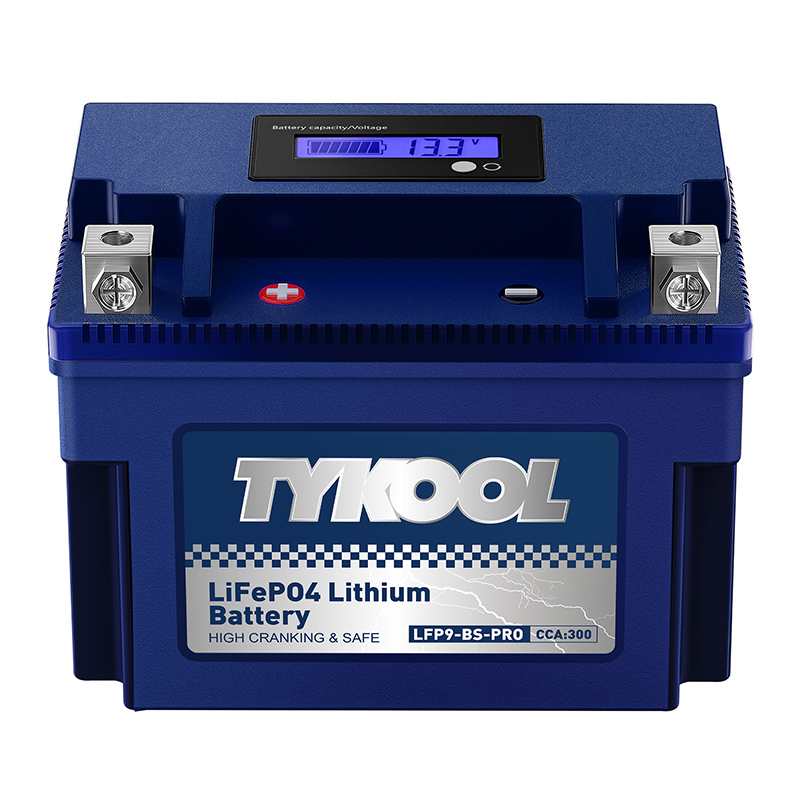
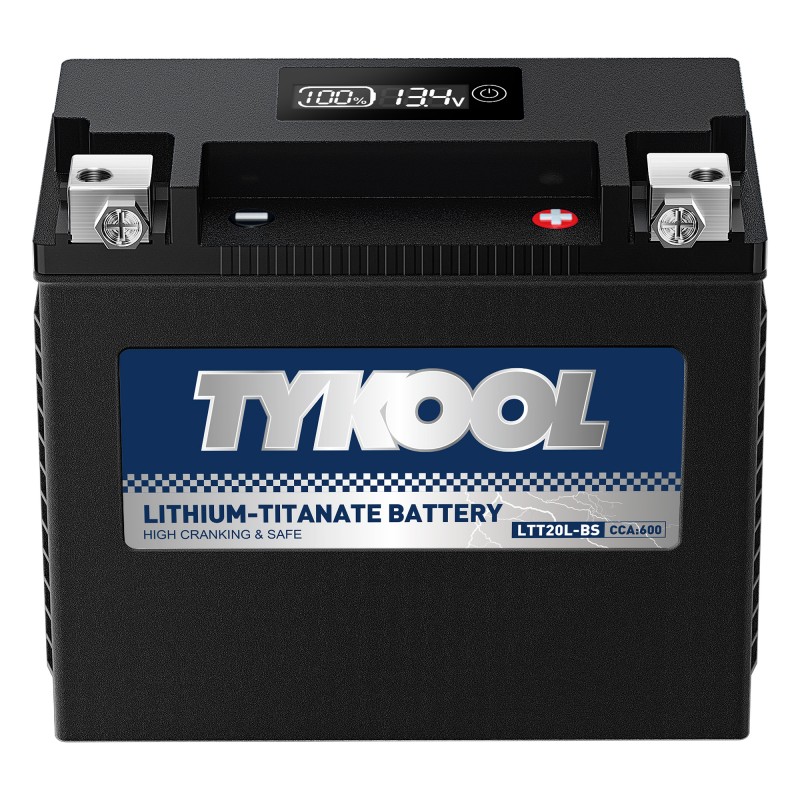
A retrofit swaps your old lead-acid box for a lighter lithium pack. The change touches two areas you will notice right away: weight and cranking power. TYKOOL's lineup shows what this looks like in practice. The YTX20L-BS, YTX14-BS, YIX30L-BS, and YTX20L-BS-PRO cover most trail sleds. The LTT20L-BS handles extreme cold. Prices run about $89.99 to $98.99, and rider ratings sit above 4.5 stars.
Lithium cells pack more energy into less mass. You lift the battery with one hand instead of two. That weight loss comes off the nose of the sled, so steering feels lighter on tight trails. Cranking power jumps too. A lithium pack delivers strong burst current on the first press of the button, even after a cold night in the truck bed. The YIX30L-BS Lithium Battery fits machines that need extra reserve for accessories. Faster starts and less weight define the retrofit for most riders.
You pay more upfront than you would for a basic lead-acid battery. Cold charging also demands care. Never charge a frozen pack, and warm it above freezing first. These Snowmobile Lithium LiFePO4 Batteries reward that discipline with weight savings and cranking power that lead-acid cannot match at the same size. Weigh the higher cost and charging habits against the gains. For most riders, the math works.
Cold mornings are hard on any battery. Snowmobile Lithium LiFePO4 Batteries handle that test well. They keep steady voltage and crank with strength, as long as you know how they act below freezing.
Lithium cells lose some usable capacity in the cold, just like lead-acid. The difference is in how they deliver what is left. A LiFePO4 pack holds its voltage under load, so the starter motor still spins with power. Lead-acid voltage drops hard on a cold crank. You can hear the difference on the first press of the button. The LTT20L-BS sets the extreme-cold benchmark. This lithium battery for snowmobile delivers 600 CCA and works reliably down to -40°F. That rating covers the worst trailhead mornings most riders will ever face.
Cold-weather lithium batteries often come with low-temperature protection. The built-in management system stops charging below a safe level, and some models add self-heating to warm the cells first. Respect that protection. LiFePO4's low internal resistance also allows 2–3x faster charging than lead-acid, even in cold weather. That speed helps on a lunch stop with a generator running.
Cold starts reward a simple routine. Turn the key once to wake the system, then crank. Give the starter short bursts instead of one long grind. Keep the battery warm overnight when you can.
Never charge a frozen battery. Warm it above freezing first, or the charge current can damage the cells.
Follow that rule and your Snowmobile Lithium LiFePO4 Batteries will serve you season after season.
Trail riding shakes a battery hard. Groomed trails hide bumps, and rough backcountry runs deliver constant jolts. A battery that survives the truck bed must also survive the ride. Snowmobile Lithium LiFePO4 Batteries meet that test with chemistry and construction that resist shock.
LiFePO4 cells use a stable crystal structure. That structure resists the internal movement that damages other chemistries under repeated shock. The cells also sit in a compact, sealed case with no liquid electrolyte to slosh or spill. Many models add a built-in battery management system (BMS). The BMS guards against overcharge, over-discharge, and short circuits. It also balances the cells so one weak cell does not drag down the pack. That protection matters on a sled, where voltage spikes and hard landings happen often. A BMS turns a good battery into a long-lasting one.
You have two real choices for your sled. Each one fits a different rider. Here is how they stack up on the four points that matter most.
|
Factor |
LiFePO4 |
Lead-Acid |
|---|---|---|
|
Weight |
Noticeably lighter; you lift it with one hand |
Heavier; often needs two hands |
|
Cold cranking |
Holds voltage under load; strong first press |
Voltage sags on a cold crank |
|
Self-discharge |
Very low; sits for months and still starts |
Higher; needs a top-up in the off-season |
|
Cycle life |
Many more charge cycles before replacement |
Fewer cycles; replaced sooner |
The table tells only half the story. Lead-acid still earns its place. A budget-focused rider gets dependable starting for far less money upfront. An older sled with a basic charging system also pairs well with lead-acid. Those machines were built around this chemistry, and the charging profile matches without any changes. If you ride a few weekends a season and store the sled on a tender, lead-acid does the job.
Snowmobile Lithium LiFePO4 Batteries reward a different rider. You ride hard and often. You want less weight on the nose and a strong crank at -20°F. You accept the higher price and the cold-charging rules. That trade pays off over many seasons of use.
Lithium LiFePO4 works in winter when you respect two rules: never charge a frozen pack, and mount it tight. Match the battery to your riding style, charging habits, and sled compatibility. A lighter pack and a strong cold crank reward that planning. Then load up, hit the trail, and ride with confidence all season.