




SHOPPING CART(0)
Your cart is empty.
shop now
Your cart is empty.
shop now
A lithium battery is safe and works well when you handle it the right way. Start with the correct model, install it properly, and charge it with a charger that fits. Store it correctly, check it often, and jump start it with care. Follow the manufacturer's instructions without fail. Treat a jump start as an emergency step, never as a fix.
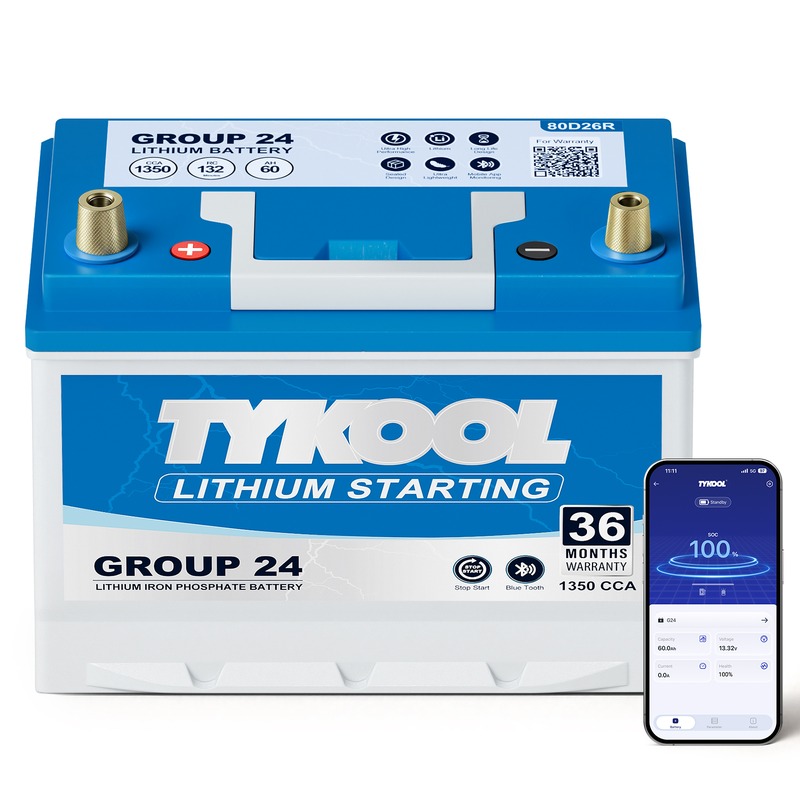
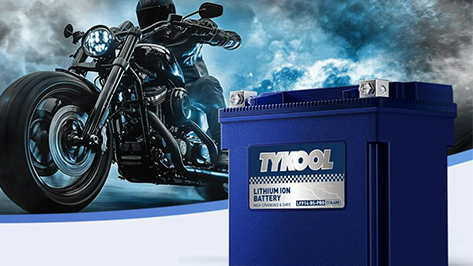
A lithium battery powers motorcycles, scooters, ATVs, UTVs, jet skis, snowmobiles, lawn mowers, cars, and boats. Riders like these batteries because they are light, crank strongly, last a long time, and lose little charge in storage. If you need a Lithium car battery 12V for a daily driver, you get the same benefits.
Inside, cells hold the energy. The Battery Management System (BMS) checks voltage, temperature, and current. The BMS can cut off the battery to stop cell damage. Terminals link the battery to your vehicle.
Follow the manufacturer's guidelines. Wear gloves, and tighten the terminals firmly to prevent short circuits. Incorrect installation can cause overheating and damage the electrical system.
The battery runs a simple loop: charge in, power out. Clean terminals and moderate temperatures are the core maintenance habits.
Choose a charger that has a lithium or LiFePO4 setting. A lead-acid charger may have desulfation, equalization, or high-voltage reconditioning modes. Those modes send voltage too high for lithium cells. Use a lifepo4 battery charger made for the job instead.
Keep an eye on the charging time. Overcharging can cause overheating or fires, even on batteries with built-in protection. The BMS is a backup, not a reason to leave the charger running for days.
Do not charge below freezing unless the battery has low-temperature charging protection or internal heating.
Cold charging pushes lithium ions onto the anode surface instead of into the cell structure. That damage builds up over time.
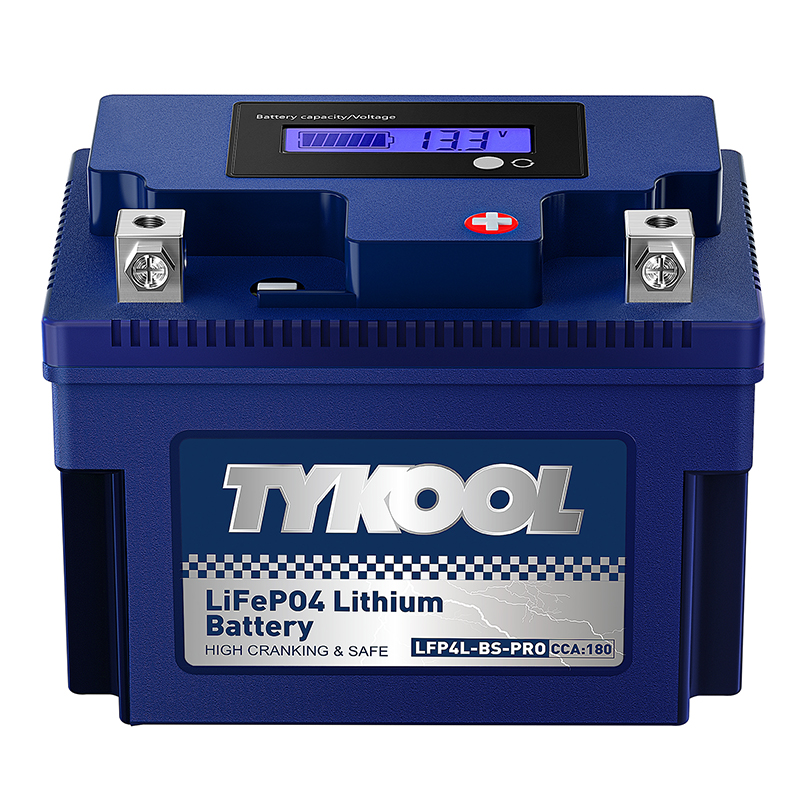
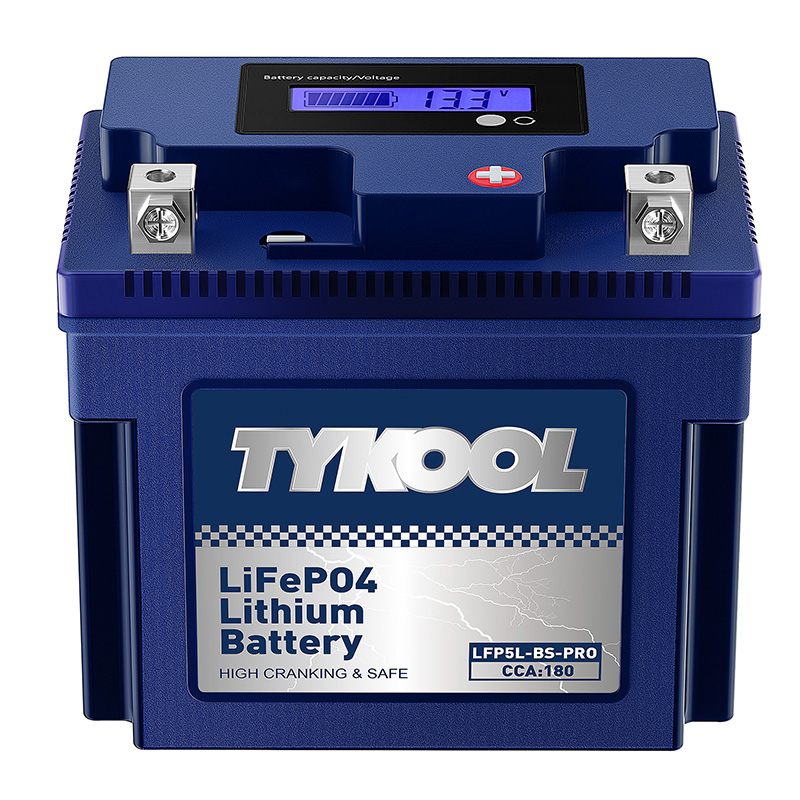
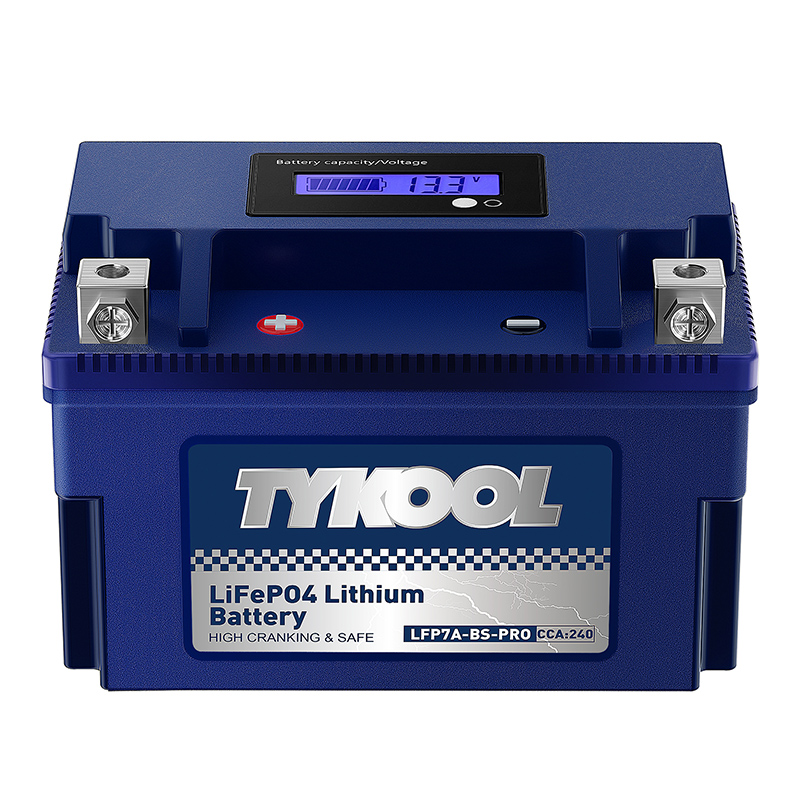
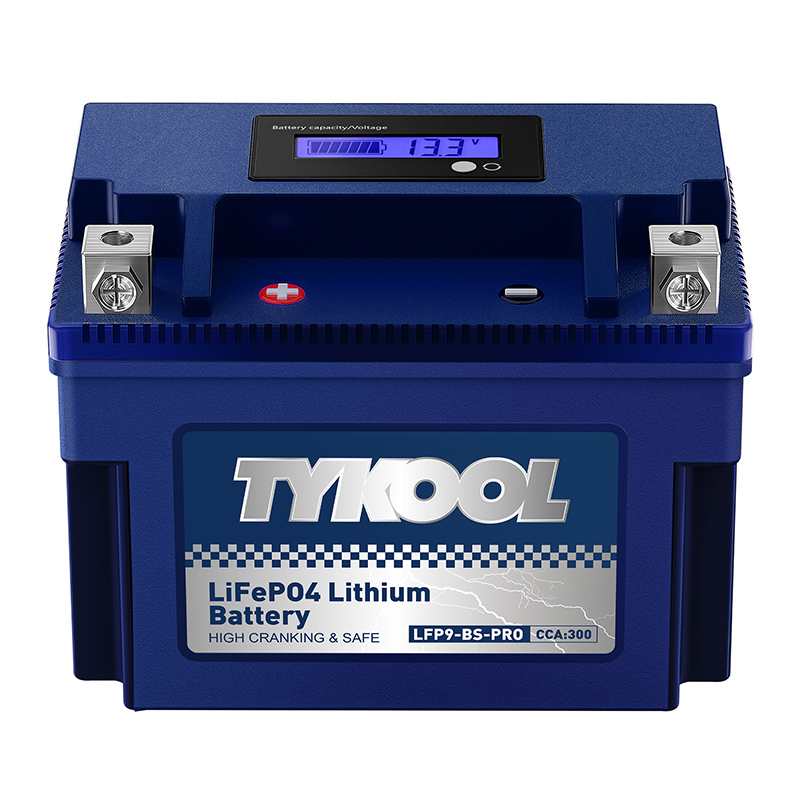
Match the charger output to your battery's capacity, and watch the digital display as the charge goes up.
Store your lithium battery in a cool, dry place at 40°F to 80°F. Keep it away from extreme temperatures, direct sunlight, and freezing conditions. A garage shelf near a drafty door is a bad spot in winter. A climate-controlled cabinet is a good one.
Check the battery often. Look for leaks, corrosion, damage, or a big voltage drop. Replace the battery when these issues show up. A swollen case or a terminal that will not hold torque is a problem you should not ignore.
Seasonal equipment needs extra care. Fully charge the battery before storage. Disconnect the loads so nothing drains it slowly over the off-season. Use an approved lithium maintenance charger to keep the voltage in a healthy range. A maintainer that tops off the charge every few weeks beats a battery that sits idle for months.
Clean terminals support the charge-in, power-out loop. A loose or corroded connection wastes energy and strains the charging system. Wipe the terminals, tighten the bolts, and apply a thin layer of dielectric grease. These small habits stretch the life of any lithium battery and keep your vehicle ready to start.
Cold thickens the electrolyte inside the battery. Ions move more slowly, and internal resistance rises. Voltage sags under load, and cranking power drops below 14°F (-10°C). This happens to every chemistry. Lead-acid loses about 20% of usable capacity near freezing and up to 50% in extreme cold. A lithium battery shows a similar loss, and the loss reverses once the pack warms up. Warm the battery or the engine bay before you crank on a frigid morning. TYKOOL batteries deliver superior discharge performance in low-temperature environments, which gives you more margin on a cold start.
Read the ratings with care. CCA is tested at 0°F for 30 seconds while the battery holds at least 7.2 volts. CA and MCA are tested at 32°F, so those numbers run higher. Lithium packs rarely carry a CCA rating and often list pulse cranking amps instead. Leave a margin between the rating and your engine's demand, and test the battery cold with a load test.
Confirm three things first. The battery must be a 12-volt lithium starting battery, it must be in sound condition, and the manufacturer must permit jump starting. Never use a 24-volt source. Deep-cycle house batteries need their own wake-up procedure, so follow that instead.
Do not jump start a battery that is swollen, cracked, leaking, unusually hot, frozen, smoking, or smelling strange.
Then work through these steps:
Turn off the ignition and all accessories. Put the vehicle in park or neutral and set the parking brake. Check that the terminals are clean and tight, and never bypass the BMS.
Connect the red clamp to the battery positive. Connect the other red clamp to the jump source positive.
Connect the black clamp to the jump source negative. Connect the final black clamp to a clean, unpainted metal ground away from the battery and fuel system.
Crank for a few seconds at a time. Disconnect the clamps in reverse order once the engine runs.
Charge the battery promptly with a lithium-approved charger after you start. If it dies again after a full, correct charge, check for parasitic draw, loose connections, a weak alternator or stator, or accessories left on.
Choose the correct model, put it in right, and charge it with a charger made for lithium. Keep it at 40°F to 80°F, check it often, and get ready for power loss in cold weather. Only jump-start it when it is safe to do so. Charging and storing it ahead of time work better than any jump start, so follow your manufacturer's instructions to get a long, reliable lithium battery life.