




SHOPPING CART(0)
Your cart is empty.
shop now
Your cart is empty.
shop now
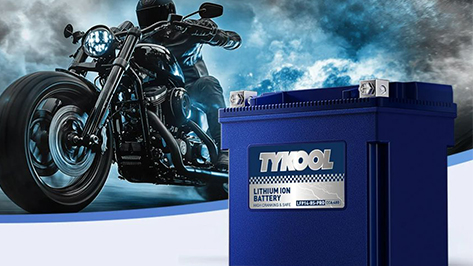
You need your vehicle to start in cold weather. Powersports trips require batteries that provide steady power, even in frigid conditions. A Tykool lithium battery for snowmobile ensures you achieve optimal performance when you need it most. Cold weather challenges demand smart planning and reliable solutions.
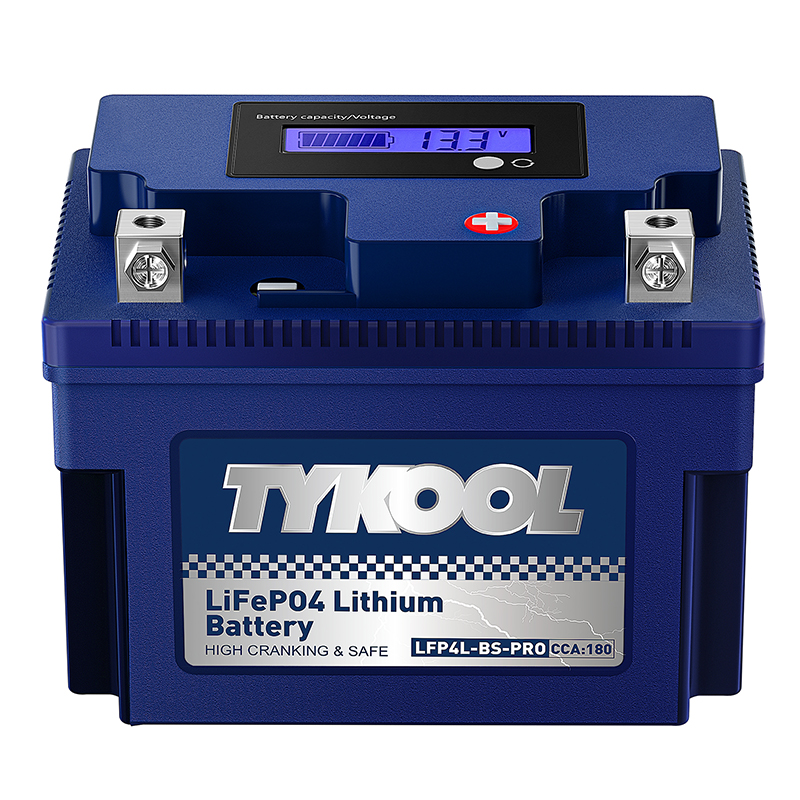
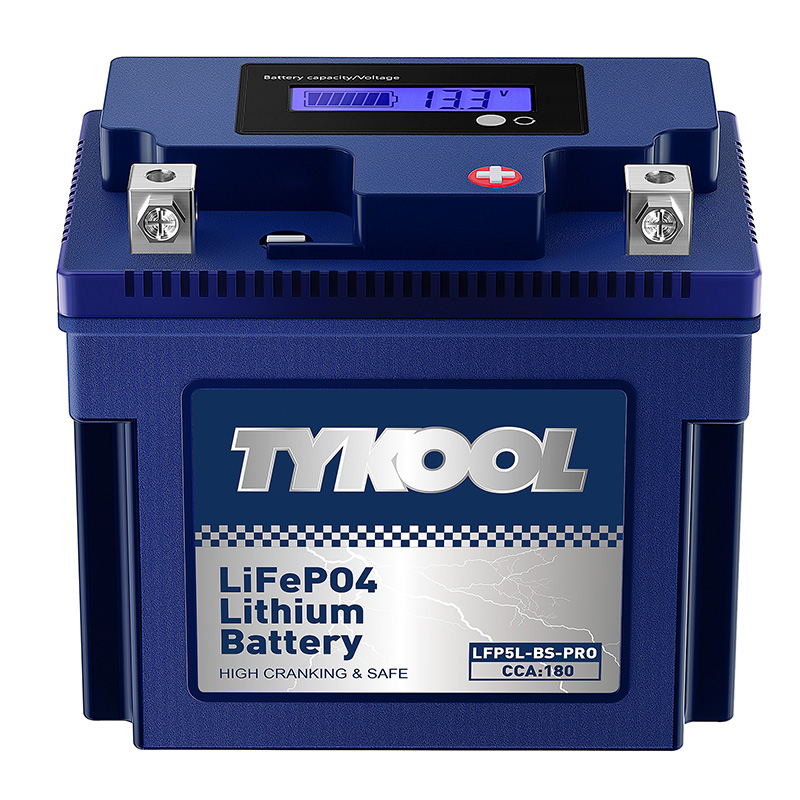
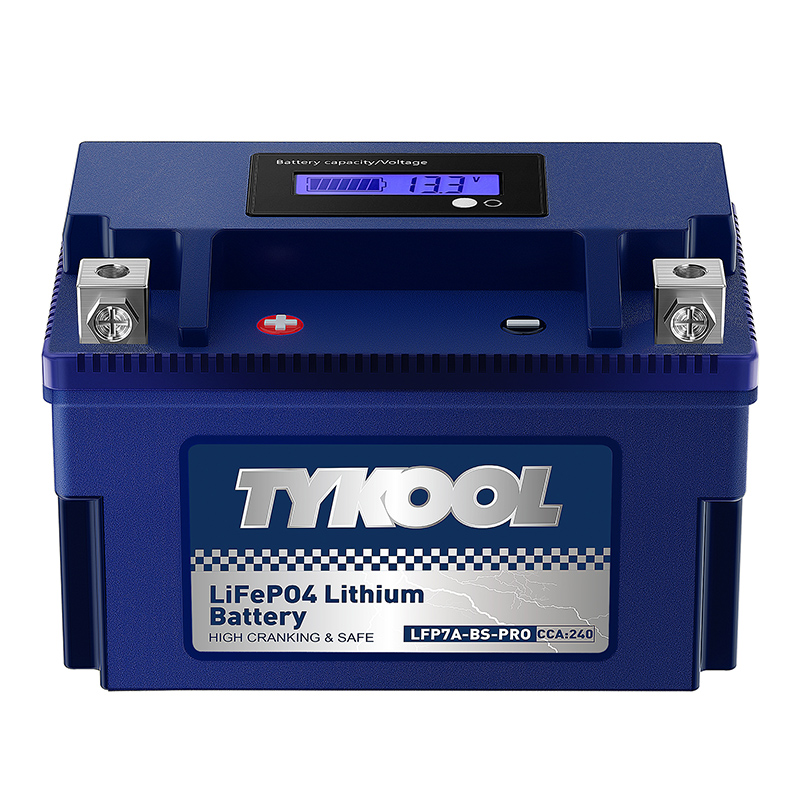
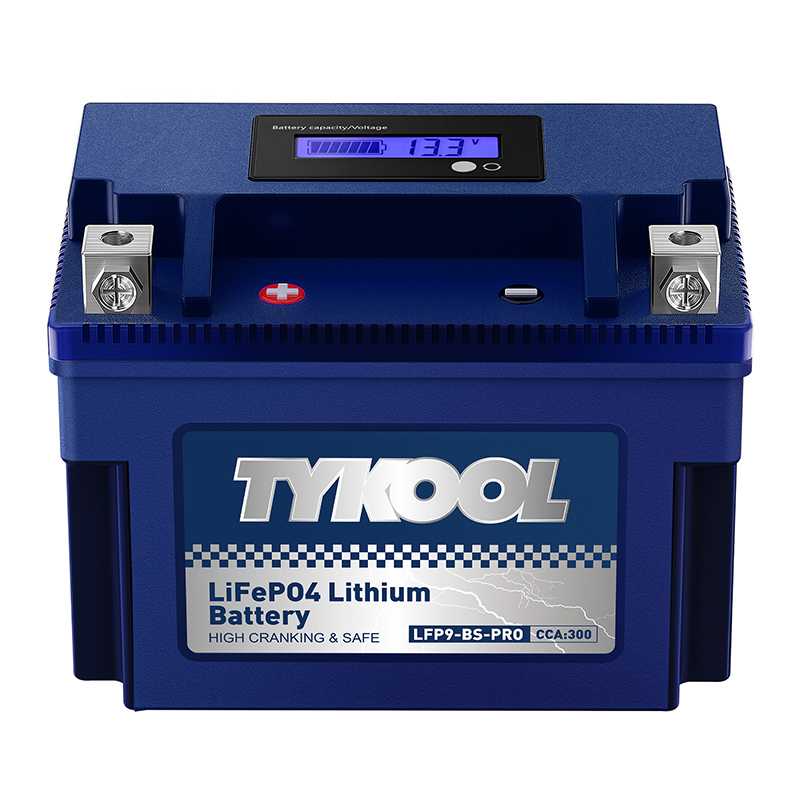
Tykool lithium batteries give steady power in cold weather, so your snowmobile will start when you want it to. - You should always look at your battery's digital display before you ride. This lets you check the voltage and how much power is left. It helps you not get stuck. - Keep your lithium battery in a cool and dry spot. Do not charge it if it is below freezing. This keeps your battery working well.
When you ride in cold weather, your battery faces special problems. Cold air slows down the chemical reactions inside a lithium battery. This makes your battery give less power and crank slower. You may also see your battery’s capacity drop, especially if it gets really cold.
The Battery Management System keeps your battery safe from overcharging, over-discharging, and too much current. This system works quietly to protect your battery and keep it reliable, even when the weather is tough. Cell balancing technology makes sure each cell works well, so your battery stays strong in the cold.
Tip: Always check your battery’s digital display before you leave. The voltage and capacity readings help you spot problems early, so you don’t get stuck in the snow.
You will see some changes when using a lithium battery for snowmobile trips in winter compared to summer. In warm weather, your battery gives full power and charges fast. Cold weather makes things different. The battery’s capacity drops, and charging takes longer. Charging a lithium battery below 0°C (32°F) can hurt it, so always wait until the battery warms up before charging.
Here’s a simple table to show the differences:
|
Condition |
Warm Weather |
Cold Weather |
|---|---|---|
|
Power Output |
High |
Reduced |
|
Charging Speed |
Fast |
Slower |
|
Safe Charging Temp |
Above 0°C (32°F) |
Above 0°C (32°F) |
|
Battery Monitoring |
Less Critical |
Essential |
When you use a lithium battery for snowmobile trips, you get Tykool’s fast charging and steady power, even in the cold. The digital display lets you see your battery’s health quickly. If you use a YTX14-BS Snowmobile Battery, you will like the light weight and long life, which make winter rides better.
Note: Never charge your lithium battery below freezing. Wait until the battery is warm enough to keep it safe and working well.
Your battery must start your vehicle, even when it is freezing. Lead-acid batteries lose a lot of power when it gets cold. You might notice your vehicle starts slowly or does not start at all. Tykool lithium batteries are better in these situations. They are much lighter than lead-acid batteries, so your vehicle does not have to work as hard. These batteries also last longer, so you do not need to replace them as often.
Tip: Check your battery’s digital display before you go. This helps you spot problems before you ride.
Charging batteries in the cold is not easy. Lead-acid batteries charge slowly and may not get full in low temperatures. They also lose power if you do not use them for a while.
Here is a table to compare:
|
Feature |
Tykool Lithium Battery |
Lead-Acid Battery |
|---|---|---|
|
Weight |
Light |
Heavy |
|
Lifespan |
5-10x longer |
Shorter |
|
Cold Weather Discharge |
Strong |
Weak |
|
Eco-Friendliness |
High |
Low |
|
Charging Speed |
Fast |
Slow |
Get your snowmobile ready before winter comes. Check your lithium battery for snowmobile first. Make sure it is fully charged. Clean the terminals so they work well. Look at the battery case for cracks or damage. Use the digital display on your Tykool battery to check voltage and capacity. Fix any problems you see before the season starts.
Test how your battery works. Turn on your snowmobile and see if it starts fast. If it cranks slowly, charge the battery inside where it is warmer. This helps you avoid trouble in the snow.
Tip: Keep your lithium battery for snowmobile in a cool, dry place when you are not using it. Do not leave it in freezing temperatures for a long time.
Install your battery the right way for winter. Secure the battery tightly in its compartment. Loose connections can cause power loss or make it hard to start. Use insulated tools so you do not cause short circuits.
Check the wiring and connectors for corrosion. Clean them if you need to. The YTX14-BS Snowmobile Battery fits most snowmobiles and works well in cold weather. Make sure the battery does not touch ice or snow directly. If you can, use a battery blanket or insulation to keep it warm.
Note: After you install the battery, use the digital display to check battery health before every ride. This keeps you ready for any trip.
You must watch your battery closely in cold weather. Start by looking at the digital display on your Tykool battery every morning. The display shows voltage and capacity. This helps you know if your battery is ready. If the numbers are low, bring your battery inside to warm up before charging.
Tip: Do not charge your battery if it feels cold or if the temperature is below 0°C (32°F). Charging when it is freezing can hurt the cells.
Follow these steps each day:
Check the terminals for dirt or rust.
Make sure all connections are tight.
Charge your battery after every ride if you can.
Warm up the battery inside before charging if it was outside.
A lithium battery for snowmobile starts your vehicle well if you use these easy steps.
Storing your battery the right way keeps it healthy. Clean the battery case and terminals before you put it away. Keep your YTX14-BS Snowmobile Battery in a cool, dry spot. Do not leave it in your vehicle if it will get very cold for a long time.
Note: Look at your battery’s charge once a month. Recharge it if the voltage goes below 13.0V.
These steps help protect your battery. Your Tykool battery will be ready for your next trip, even if it is very cold.
You might have some problems with your battery in cold weather. Cold air slows down the chemical reactions inside your battery. This can make your engine crank slowly or not start at all. Sometimes, the digital display shows low voltage or low capacity. Warning lights may turn on in your dashboard.
Here are the most common issues you might see:
Slow engine cranking
Battery does not keep a charge
Digital display shows low voltage
Battery terminals have rust
Tip: Always look at the digital display before you ride. This helps you find problems early.
If your battery does not start your vehicle, do these steps:
Look at the digital display for voltage and error codes.
Make sure the battery terminals are clean and tight.
Bring the battery inside to warm up if it feels cold.
Charge the battery after it gets to room temperature.
Try the battery again in your vehicle.
If your lithium battery for snowmobile still does not work, you might need a backup battery or call a professional for help. Never try to jump-start a deeply drained lithium battery with a lead-acid charger.
If you follow these steps, you can fix most cold weather battery problems quickly and safely.
You get many benefits with a lithium battery for snowmobile use. Tykool batteries are lighter and last longer than lead-acid ones. They help your snowmobile start better in cold weather. Always take care of your battery and fix problems the right way.