




SHOPPING CART(0)
Your cart is empty.
shop now
Your cart is empty.
shop now
You get the most out of picking a lithium battery for lawn mower in 2026. Lithium batteries provide more power, cost less over time, and last longer.
Pick lithium batteries for lawn mowers to get a longer life and spend less money over time. They can last up to 10 times longer than lead-acid batteries.
Go with lithium batteries if you want to charge them faster. They charge in only 2 to 4 hours. Lead-acid batteries take 8 to 16 hours to charge.
Choose lighter lithium batteries to make your mower easier to use. A lighter battery helps you mow without getting tired.
It is easy to see how lithium and lead-acid batteries are not the same for lawn mowers. The table below shows the main things you should look at:
|
Specification |
Lithium-Ion |
Lead-Acid |
|---|---|---|
|
Lifespan (Cycles) |
Up to 5,000 uses |
300-500 uses |
|
Charging Time |
2-4 hours |
8-16 hours |
|
Maintenance |
Minimal |
Requires regular checks |
|
Performance Under Load |
Consistent power |
Voltage drops under load |
|
Temperature Resilience |
Performs well |
Struggles in extremes |
|
Weight |
Lighter (up to 50% less) |
Heavier |
A lithium battery for lawn mower use gives you steady power and less waiting time. Lithium batteries also work better in hot or cold weather and you do not have to check them much.
You want to know what is good and bad about each battery. Here is a simple list:
Lithium Batteries
✅ They last a lot longer (up to 10 times more cycles)
✅ They charge much faster (as quick as 2 hours)
✅ They are lighter, so your mower is easier to push
✅ You almost never need to do maintenance
❌ They cost more at first, but you save money later
Lead-Acid Batteries
✅ They do not cost as much at the start
❌ They are heavy and hard to move around
❌ You have to check and care for them often
❌ They do not last as long and take longer to charge
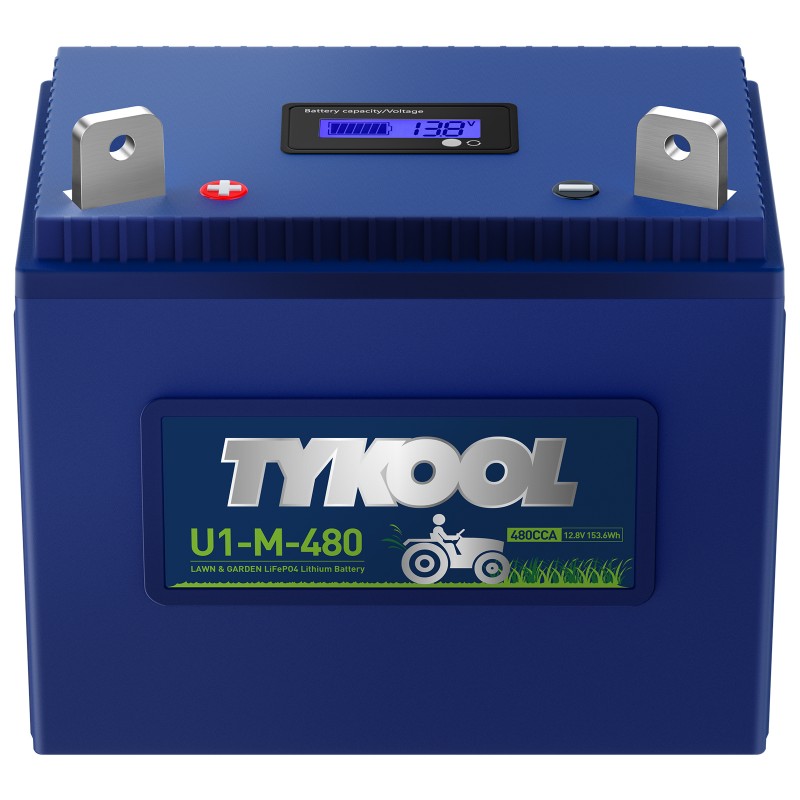
Tip: If you want a battery that works well, is easy to use, and does not need much care, lithium batteries—like a 480CCA Lawn Mower Battery—are the best choice for your money.
When you choose a battery for your lawn mower, power output matters most. You want a battery that keeps your mower running strong, even when you face thick or wet grass. A lithium battery for lawn mower use gives you steady, reliable power from start to finish. You do not have to worry about your mower slowing down as you work.
In typical lawn mower usage, lithium-ion batteries maintain consistent power throughout the mowing session, unlike lead-acid batteries which experience a drop in performance as they discharge. This is particularly evident when cutting thick or wet grass, where lead-acid batteries struggle.
You get a clear advantage with a lithium battery for lawn mower tasks. The power stays high, so you can finish your yard without stopping or losing cutting strength. Lead-acid batteries often lose their punch halfway through the job. This means you might have to go over the same spot twice or stop to recharge.
You want your mower to feel light and easy to handle. The type of battery you choose affects both the runtime and the way your mower moves. Lithium batteries weigh much less than lead-acid batteries. This makes your mower easier to push and turn, especially if you have a large yard or lots of corners.
Here is a quick look at how lithium and lead-acid batteries compare:
|
Battery Type |
Runtime |
Charge Time |
Lifespan |
Weight |
|---|---|---|---|---|
|
Lithium-Ion |
45-60 min |
2-4 hours |
5-10 years |
3-8 lbs |
|
Lead-Acid |
20-30 min |
8-12 hours |
2-4 years |
15-25 lbs |
You can see that a lithium battery for lawn mower use gives you almost double the runtime and much less weight. You spend less time charging and more time mowing. You also get a battery that lasts years longer, so you do not have to replace it as often.
Lithium batteries can cut half an acre on one charge.
Runtime: Lithium batteries provide 45-60 minutes, while lead-acid batteries only offer 20-30 minutes.
Charging: Lithium batteries charge in 2-4 hours compared to 8-12 hours for lead-acid.
You will notice the difference in handling right away. Your mower feels lighter and more responsive. You can mow longer without getting tired. If you want the best performance, a lithium battery for lawn mower use or a 480CCA Lawn Mower Battery will give you the results you need.
You want your lawn mower ready when you need it. Charging speed makes a big difference in how quickly you can get back to work. Lithium batteries charge much faster than lead-acid batteries. You can see the difference in the table below:
|
Battery Type |
Average Charging Time |
|---|---|
|
Lithium-ion |
2-4 hours |
|
Lead-acid |
8-16 hours |
With a lithium battery for lawn mower use, you spend less time waiting and more time mowing. Many users appreciate that lithium batteries can reach a full charge in just a few hours. Lead-acid batteries often require overnight charging, which can slow down your yard work.
Tip: If you want to mow your lawn in the afternoon after work, a lithium battery will be ready much faster than a lead-acid battery.
Charging convenience goes beyond speed. You want a battery that fits your busy schedule and makes mowing easier. Lithium batteries offer several advantages:
Lighter weight makes them easy to remove and charge.
Longer run times mean you can mow more area on a single charge.
Some mowers now include multiple battery slots, so you can swap batteries and keep working without stopping.
Quick charging lets you finish your yard in one day, even if you have a large space.
Many users report that a lithium battery for lawn mower use gives them more freedom and less hassle. You do not need to check water levels or worry about heavy lifting. You simply charge, swap, and mow.
You want your lawn mower battery to last a long time. Battery life means how many times you can use and charge it before you need a new one. Lithium batteries last much longer than lead-acid batteries. The table below shows the difference:
|
Battery Type |
Lifespan in Charge Cycles |
|---|---|
|
Lithium Batteries |
500 to 1,000 |
|
Lead-Acid Batteries |
500 |
A lithium battery for lawn mower use lets you mow more times before buying another battery. You save money and time because you do not replace batteries as often. You also get steady power for many years.
Many things change how long your battery lasts. You should think about temperature, how you use it, and how you take care of it. Lithium batteries work better in very hot or cold weather. They keep their energy and work well in both types of weather. Lead-acid batteries lose power and break down faster when it is hot or cold.
Lead-acid batteries break down fast in high heat.
Lithium batteries keep working well even when it is hot.
Lead-acid batteries lose 8 to 12 percent of their power each year from plate corrosion.
Lithium batteries only lose 2 to 3 percent each year.
High heat makes lead-acid batteries break down almost 40 percent faster above 30°C.
Lead-acid batteries can lose half their life for every 10°C over 25°C.
Lithium batteries use special systems to stay cool and reliable.
You get more value and steady power with a lithium battery for lawn mower use. You do not have to buy new batteries often. You can count on your battery to work well, even in tough weather.
When you use a lithium battery for lawn mower use, you notice the mower feels different right away. Lithium-ion batteries are much lighter than lead-acid batteries. This makes it easier to move your mower around your yard. Heavy lead-acid batteries make pushing and turning harder. Lighter lithium batteries give you better control and help you feel less tired.
Lithium-ion batteries make your mower weigh less.
Lead-acid batteries are much heavier and bigger, so moving the mower is harder.
With a lighter battery, mowing around corners and things in your yard is easier.
A lighter mower helps you finish mowing faster. You do not use as much energy to push or steer. This is really helpful if you have a big yard or need to mow on hills.
Mowing gets easier when your battery is lighter. Your arms and back do not hurt as much. The mower listens to your movements and turns quickly. You can mow for a longer time without feeling sore. Many people say mowing is smoother and more fun with a lighter battery.
Tip: If you pick a 480CCA Lawn Mower Battery or a lithium battery for lawn mower use, your mower will be lighter and easier to handle.
You can mow at your own speed and take your time. The lighter weight means you do not get as many aches after mowing. Your mower feels balanced and works well. This upgrade makes mowing less of a hard job and more like a simple routine you can do easily.
You want your battery to last as long as possible and work safely. Both lithium and lead-acid batteries need regular care, but lithium batteries make things easier for you. Here are the top steps you should follow:
Charge your battery after each use, especially when the charge drops below 20%. This prevents deep discharge and keeps your battery healthy.
Store your battery in a cool, dry place. Check the battery status every few weeks if you do not use your mower often.
Inspect the battery and its connections for any signs of damage or corrosion. Clean the terminals if you see buildup.
Use only the charger that matches your battery type. Always follow the instructions in your user manual.
Avoid using your mower under heavy load when the battery is almost empty. This protects the battery from stress.
Tip: A lithium battery for lawn mower use requires less maintenance than a lead-acid battery. You spend less time checking water levels or cleaning up leaks.
Many users make simple mistakes that shorten battery life. You can avoid these problems by knowing what to watch for:
Overcharging your battery can cause damage. Always unplug the charger when the battery is full.
Letting your battery run completely empty can reduce its lifespan. Recharge before it gets too low.
Storing your battery in very hot or cold places can harm it. Keep it at room temperature for best results.
Using the wrong charger can lead to overheating or poor charging. Stick with the charger made for your battery.
If you follow these steps, your 480CCA Lawn Mower Battery or lithium battery for lawn mower use will last longer and perform better.
You want to know how much you will spend on your lawn mower battery. The price you pay at first is important, but you should also think about how much you will spend over the years. Lead-acid batteries cost less when you buy them. Lithium batteries cost more at the start, but you save money later.
Here is a simple table to help you compare:
|
Battery Type |
Upfront Cost |
Average Lifespan |
Total Cost Over 5 Years |
|---|---|---|---|
|
Lead-Acid |
$50–$80 |
2–3 years |
$150–$240 |
|
Lithium-Ion |
$100–$200 |
5–10 years |
$100–$200 |
Note: You pay more for a lithium battery for lawn mower use at first, but you do not need to replace it as often. This saves you money in the long run.
You should plan for battery replacement. Lead-acid batteries need to be replaced every few years. This adds up over time. Lithium batteries last much longer, so you buy fewer replacements.
Lead-acid: Replace every 2–3 years.
Lithium: Replace every 5–10 years.
If you use a 480CCA Lawn Mower Battery, you get more value because you do not need to buy a new battery as often. You also save time and avoid the hassle of frequent changes. This makes lithium batteries a smart investment for your lawn mower in 2026.
Picking the right battery for your lawn mower makes mowing easier and faster. You should think about three things: if the battery fits, how well it works, and what your yard needs. First, look at what power your mower needs. The battery must have the same voltage and power as your mower. If the battery is too weak, your mower might not start or work right. If the battery is too strong, it could hurt your mower’s wires.
Next, check if the battery fits in your mower. The size and connector must be the same. A good fit stops shaking and keeps the battery in place. Some new mowers need batteries that can talk to smart systems. Always read your mower’s manual to know what battery to buy.
Here is a table to help you see what to check for:
|
Compatibility Factor |
Description |
|---|---|
|
Power Requirements |
Match the battery’s output to your mower’s needs. |
|
Physical Fit |
Ensure the battery fits securely in the compartment. |
|
Connector Types |
Check that connectors match for a safe connection. |
|
Communication Protocols |
Some mowers need batteries that talk to onboard systems. |
Think about how big your yard is. For small yards, a regular lithium battery for lawn mower use is enough. For big yards, pick a battery that lasts longer so you do not have to stop and charge.
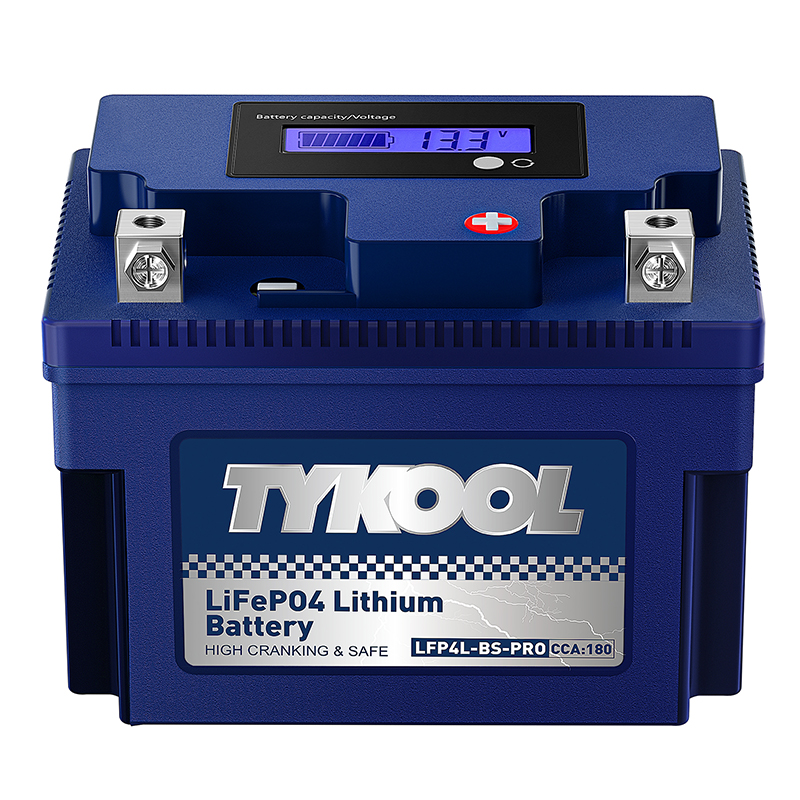
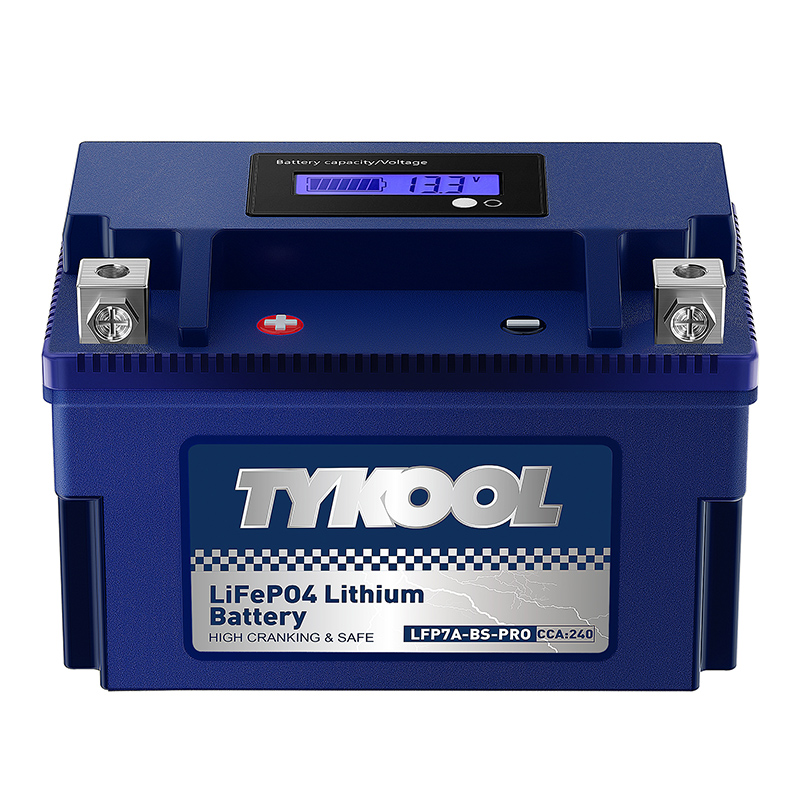
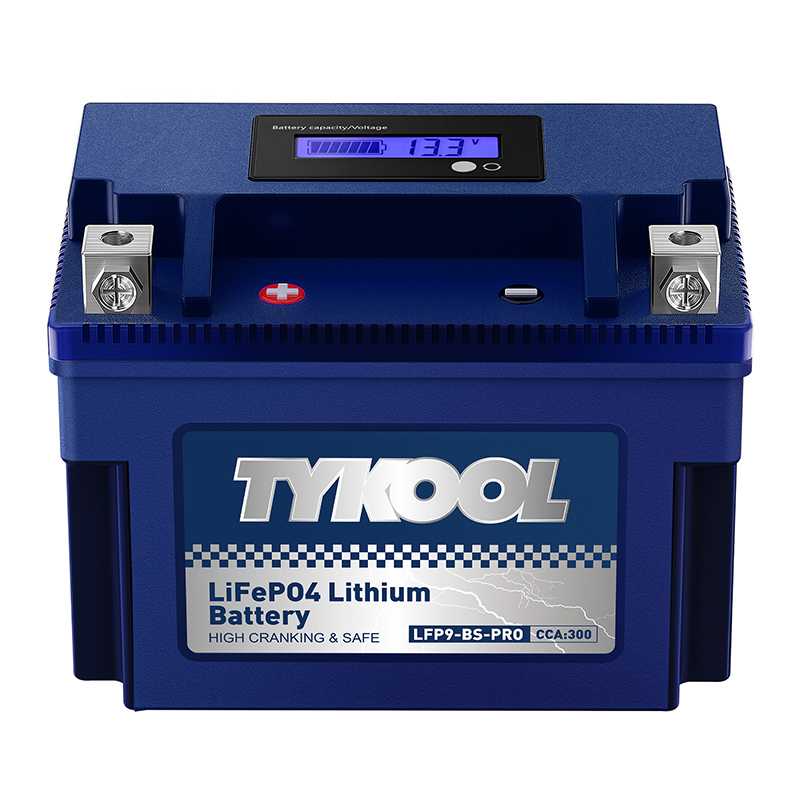
The TYKOOL YTX4L-BS-PRO is a good choice because it is light and lasts a long time. It weighs about one-third as much as a lead-acid battery. This makes your mower easier to push and turn. The TYKOOL YTX4L-BS-PRO also has a Battery Management System (BMS) to keep it safe and working well. It charges in about one hour, so you wait less and mow more.
Tip: Always read your mower’s manual before you buy a battery. This helps you pick the right one and avoid problems.
You want a battery that fits your needs and lasts a long time. Start by looking at the main factors that experts recommend. The table below shows what you should check before buying:
|
Factor |
Description |
|---|---|
|
Battery Type |
Choose between lead-acid, lithium-ion, or gel cell. Each has different costs and lifespans. |
|
Maintenance |
Lead-acid needs more care. Lithium-ion needs less attention. |
|
Cost |
Lead-acid costs less at first. Lithium-ion saves money over time. |
|
Warranty |
A good warranty can save you money on replacements. |
|
Technical Specifications |
Match voltage and terminal positions to your mower. |
|
Environmental Impact |
Lithium-ion batteries are more eco-friendly. |
You should also think about battery life and charging options. Many users want at least 60 to 90 minutes of mowing time. Quick charging and removable batteries make mowing easier. If you want a battery that works well in all weather, a lithium battery for lawn mower use is a smart choice.
Tip: Look for a battery with a long warranty and easy maintenance. This saves you time and money.
You need to make sure your new battery fits your mower. Check the voltage and size first. Most mowers use 12-volt batteries, so match the battery’s voltage to your mower’s needs. Look at the terminal position—U1L or U1R—and make sure it matches your mower.
Check the battery’s dimensions to fit the compartment.
Match the voltage to your mower’s requirements.
Make sure the terminals line up for a safe connection.
Cold Cranking Amps (CCA) matter if you mow in cold weather. A 480CCA Lawn Mower Battery gives strong starting power.
Always read your mower’s manual before buying. This helps you avoid mistakes and keeps your mower running smoothly.
You get the most by picking a lithium battery for your lawn mower in 2026. Many people and experts like lithium batteries because they weigh less, work longer, and charge up quickly. TYKOOL is a brand you can trust.
Lithium batteries make less noise and do not pollute as much.
They last longer and work better than other types.