




SHOPPING CART(0)
Your cart is empty.
shop now
Your cart is empty.
shop now
Upgrading your ATV or UTV battery to lithium can be a practical way to reduce battery weight, improve starting performance, and simplify routine maintenance. However, switching from a traditional lead-acid battery to a LiFePO4 battery is not simply a matter of choosing a battery with the same voltage.
Before making the upgrade, it's important to check your vehicle's battery specifications, charging system, available space, and electrical requirements. Here are five key things to consider before choosing a lithium replacement battery.
Start by identifying the battery currently installed in your ATV or UTV. Check the label for its model number, voltage, capacity (Ah), and cold cranking amps (CCA).
Most powersports vehicles use 12V starting batteries, but the required specifications vary depending on the manufacturer, model, and engine size.
Pay attention to the following details:
Voltage: Make sure the replacement battery matches your vehicle's electrical system.
CCA: Check that the lithium battery provides sufficient starting power for your engine.
Capacity: Compare the rated capacity to your original battery and consider your vehicle's electrical demands.
Battery type: Confirm that your vehicle can support a LiFePO4 starting battery.
Never assume that two batteries are interchangeable simply because they share the same voltage or similar model numbers. Always check the manufacturer's fitment recommendations.
One of the most important steps before installing a lithium battery is checking your ATV or UTV's charging system.
LiFePO4 batteries have different charging requirements from traditional lead-acid batteries. Your vehicle's voltage regulator and charging system must provide a suitable charging voltage for the replacement battery.
Before upgrading, consider these checks:
Inspect the voltage regulator and charging connections.
Measure the charging voltage with a multimeter.
Compare the measured voltage with the lithium battery manufacturer's recommended charging range.
Check whether the battery is compatible with your vehicle's charging system.
An unsuitable charging voltage can affect battery performance and potentially damage the battery. If you're unsure about your vehicle's charging specifications, consult a qualified technician before installation.
Physical compatibility is just as important as electrical compatibility.
Although lithium batteries are often more compact and lightweight than comparable lead-acid models, their dimensions and terminal arrangements can vary.
Measure the original battery compartment and check:
Length, width, and height
Positive and negative terminal positions
Cable reach and connector compatibility
Battery hold-down and mounting requirements
Clearance around the battery compartment
The battery should fit securely without loose movement, stretched cables, or exposed terminals touching nearby metal components.
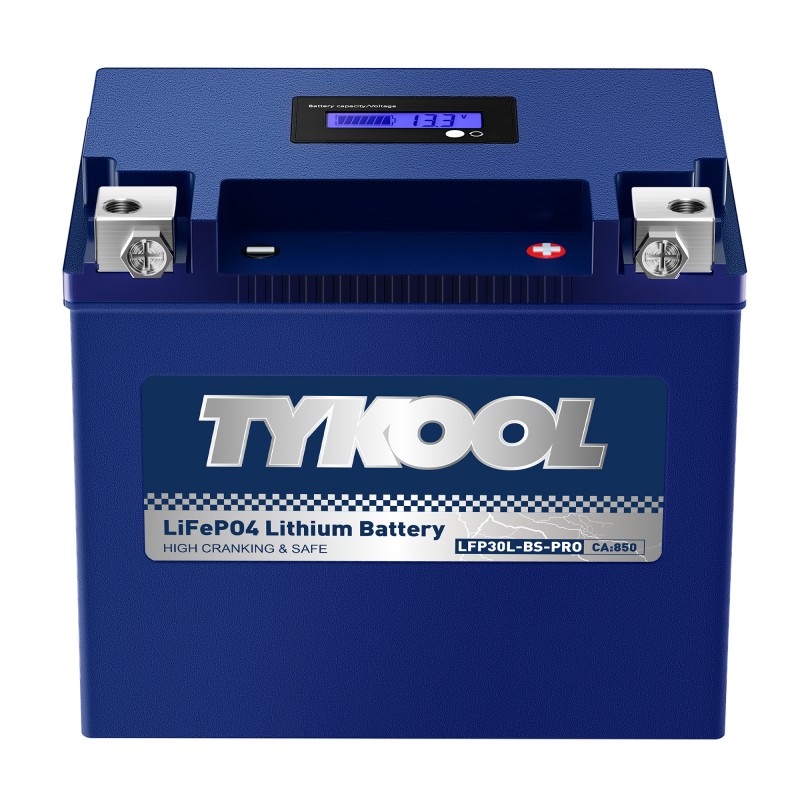
For example, when considering a YIX30L-BS Replacement, compare the replacement battery's specifications and physical dimensions with your original battery rather than relying on the model name alone.
ATVs and UTVs often power more than just the engine. Depending on how you use your vehicle, additional electrical equipment may include:
Winches
LED light bars
Heated grips and seats
GPS navigation systems
Communication equipment
These accessories can increase battery demand, especially when used while the engine is off or at low RPM.
Before choosing a lithium battery, consider both the engine's starting requirements and the electrical loads of your accessories. Check the battery's continuous discharge rating and peak current rating to ensure they meet your application requirements.
A battery with a higher CCA rating does not automatically provide more runtime for accessories. Starting power and energy capacity serve different purposes.
Not all lithium batteries are designed for the same applications. An ATV or UTV starting battery should be specifically designed to handle engine starting demands and the operating conditions associated with off-road vehicles.
When comparing options, look for:
LiFePO4 battery chemistry
An integrated Battery Management System (BMS)
Suitable starting current and capacity ratings
Compatibility with the vehicle's charging system
Appropriate vibration resistance and secure mounting
A well-designed BMS helps protect the battery against conditions such as overcharging, over-discharging, and excessive current, depending on its protection features.
For riders looking for a lithium battery for UTV applications, checking these specifications is essential for selecting a suitable replacement.
Upgrading your ATV or UTV to a lithium starting battery can be a worthwhile improvement, but compatibility should always come first.
Before purchasing, verify your original battery specifications, inspect the charging system, measure the battery compartment, and consider your vehicle's accessory loads. Taking these steps can help you avoid installation problems and choose a battery that meets your actual needs.
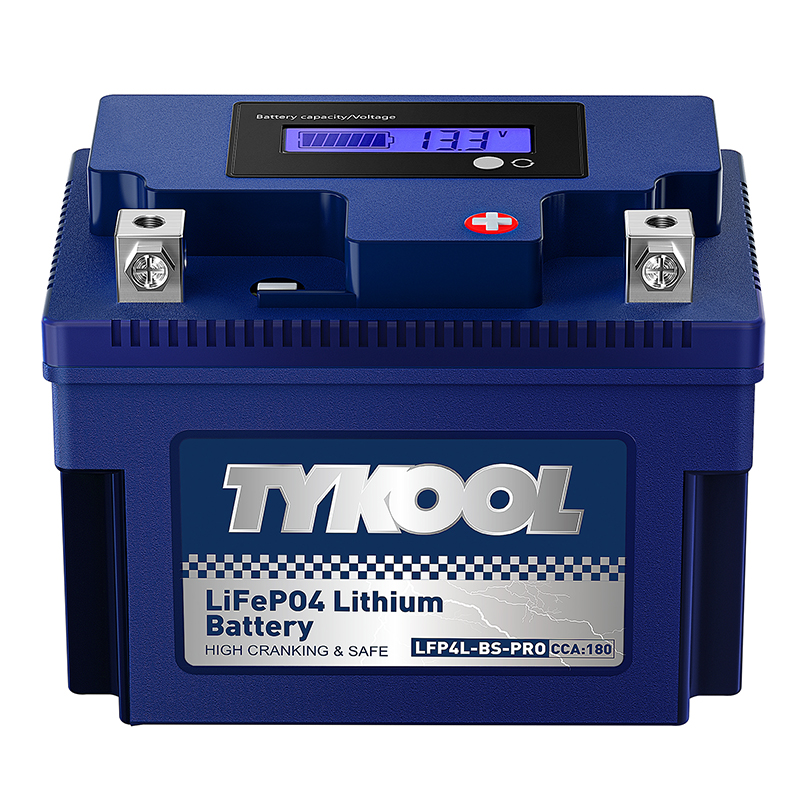
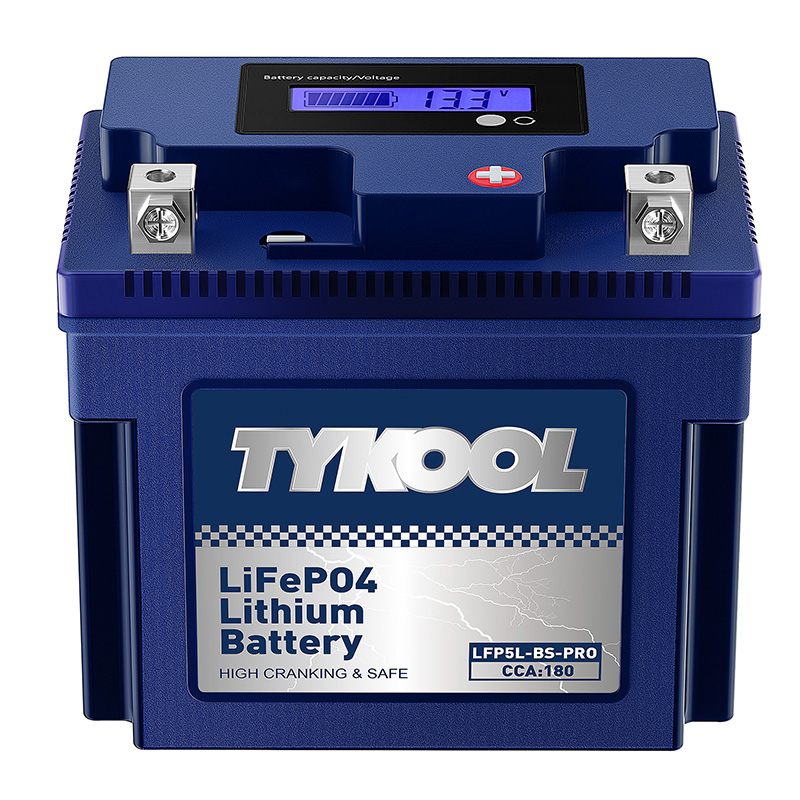
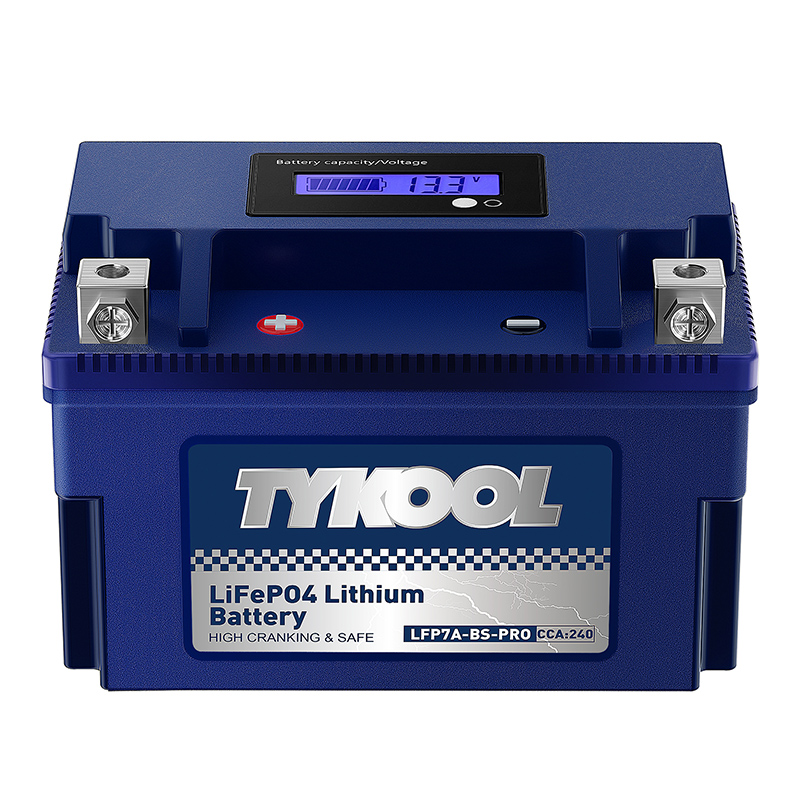
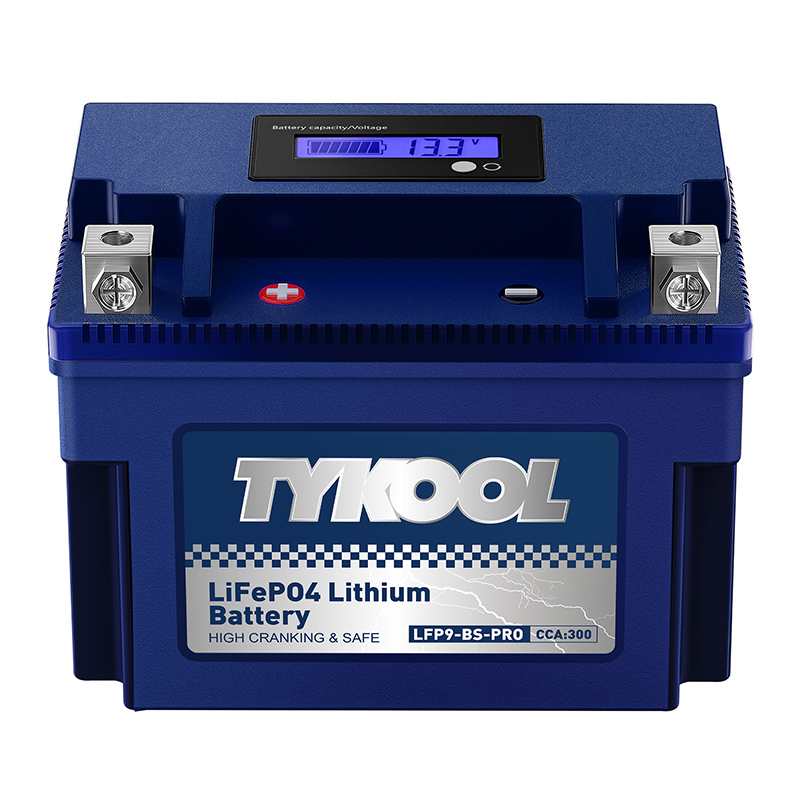
Explore TYKOOL's LiFePO4 powersports battery range to compare available specifications and find a suitable battery for your ATV, UTV, or other recreational vehicle.