






SHOPPING CART(0)
Your cart is empty.
shop now
Your cart is empty.
shop now
As the riding season comes to an end, preparing your personal watercraft (PWC) for winter storage is essential. While many owners focus on draining water, cleaning the hull, and protecting the engine, battery maintenance is just as important. Proper winter preparation helps prevent unexpected battery issues and ensures your Jet Ski is ready when warmer weather returns.
If your watercraft uses a lithium battery, a few simple precautions can help maintain its performance throughout the off-season.
1. Disconnect the Battery Before Storage
Before storing your Jet Ski for an extended period, turn off all electrical systems and disconnect the battery according to the manufacturer's instructions.
For removable batteries, carefully take the battery out of the watercraft. If you leave it installed, make sure all electrical connections are properly secured and there is no unnecessary power consumption.
Disconnecting the lithium battery for a jet ski helps reduce the risk of parasitic drain from onboard electronics, which can gradually lower its charge during long periods of inactivity.
2. Clean and Inspect the Battery
Before putting the battery away, check its exterior for cracks, swelling, corrosion, or other visible damage. Clean the terminals with an appropriate dry cloth and make sure the connections are free from dirt and moisture.
Also, inspect the battery cables and connectors for signs of wear or corrosion. Damaged connections can affect starting performance when you take your Jet Ski out again.
Never store a visibly damaged battery. Follow the manufacturer's guidance for inspection and replacement.
3. Maintain the Proper Charge Level
Lithium batteries generally have a lower self-discharge rate than traditional lead-acid batteries, making them convenient for seasonal storage. However, leaving a battery completely discharged for months can still cause problems.
Before storage, charge the battery to the level recommended by its manufacturer. Check its voltage periodically during the off-season and recharge it when necessary.
Always use a charger specifically compatible with LiFePO4 batteries. A conventional lead-acid charger may not provide the appropriate charging profile for your lithium battery.
4. Store the Battery in a Cool, Dry Place
Temperature and storage conditions play an important role in battery longevity.
Keep your battery in a clean, dry, and well-ventilated location, away from direct sunlight, excessive heat, and moisture. Avoid leaving it in areas where temperatures may fall below the manufacturer's recommended storage range.
For lithium batteries, charging at freezing temperatures can be particularly harmful. Always check the battery's specifications before charging in cold conditions, and never assume that a battery suitable for cold-weather discharge can also be charged below freezing.
5. Check the Battery Before Spring Riding
When winter ends, inspect your battery before reinstalling it or reconnecting it to your Jet Ski.
Check the voltage, terminals, and cable connections. If the battery needs charging, use a compatible charger and follow the manufacturer's instructions.
Once everything is properly connected, test the starting system before heading out on the water. Taking a few minutes to check your battery can help prevent inconvenient starting problems during your first ride of the season.
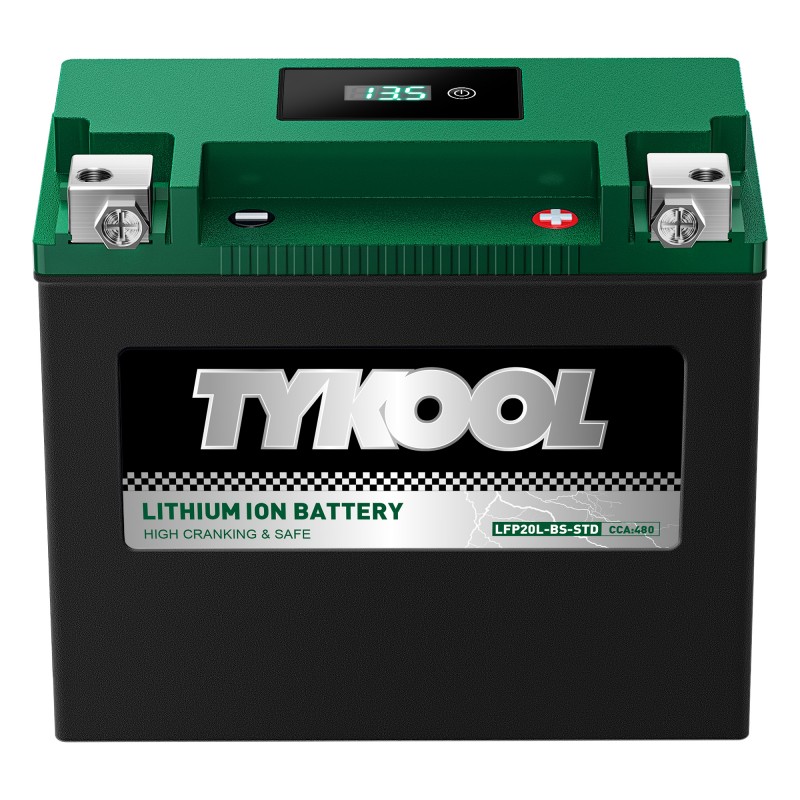
Choose a Reliable Lithium Battery for Your Jet Ski
Choosing the right battery is just as important as proper seasonal maintenance. A quality lithium battery offers lightweight construction, strong starting power, and convenient operation for personal watercraft.
For riders looking to upgrade, the YTX20L-BS Lithium Battery from TYKOOL is designed for compatible powersports applications and offers a lightweight alternative to traditional lead-acid batteries. Always verify battery dimensions, terminal positions, voltage, and starting requirements before purchasing.
With proper preparation and storage, your battery can remain in better condition throughout the winter and be ready for the next riding season.
A little maintenance today can make your first ride of spring much easier.