




SHOPPING CART(0)
Your cart is empty.
shop now
Your cart is empty.
shop now
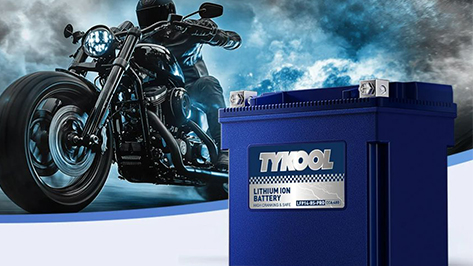
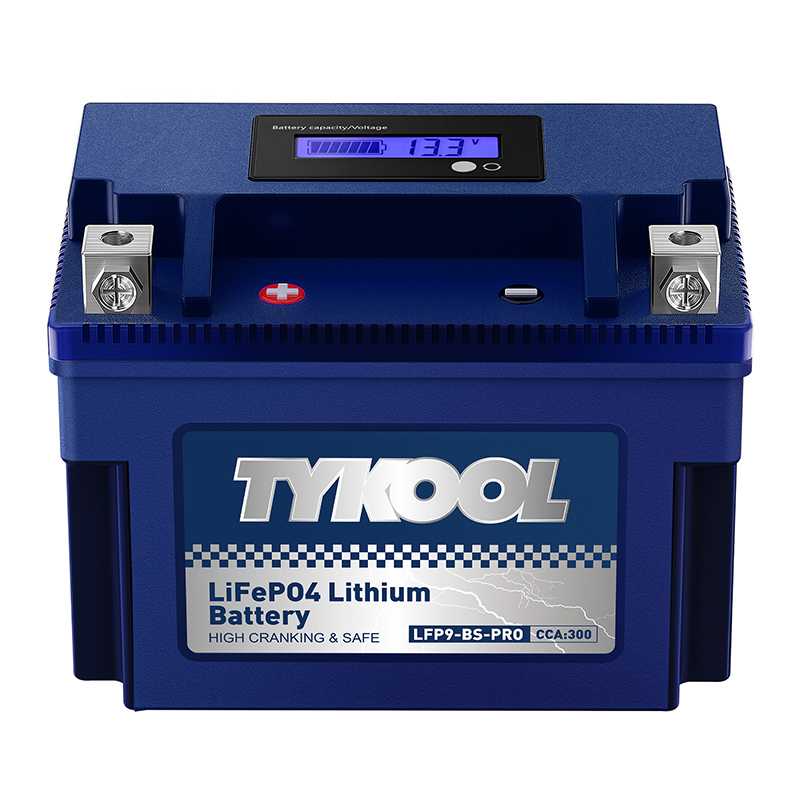
So, you’ve decided to upgrade your ride. Transitioning from a heavy, passive lead-acid battery to a high-performance Lithium Motorcycle Battery is one of the smartest choices you can make for your powersports vehicle. Whether you are running a lightweight scooter, a massive long-stroke cruiser requiring a heavy-duty 30L-BS Motorcycle LiFePO4 Battery, an ATV, or a snowmobile, making the switch ensures faster starts, consistent cranking power, and a much longer lifespan.
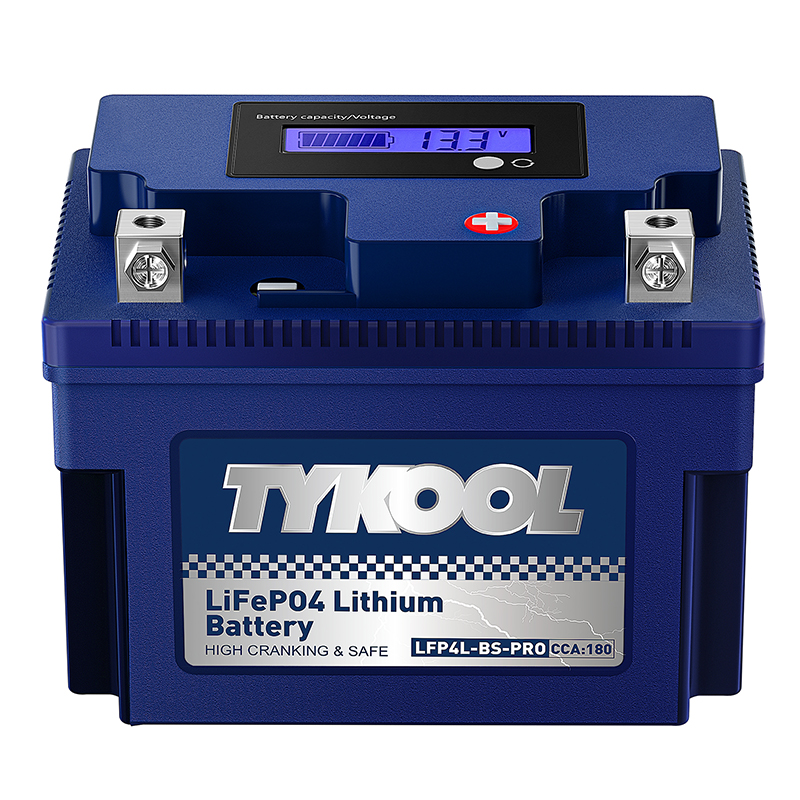
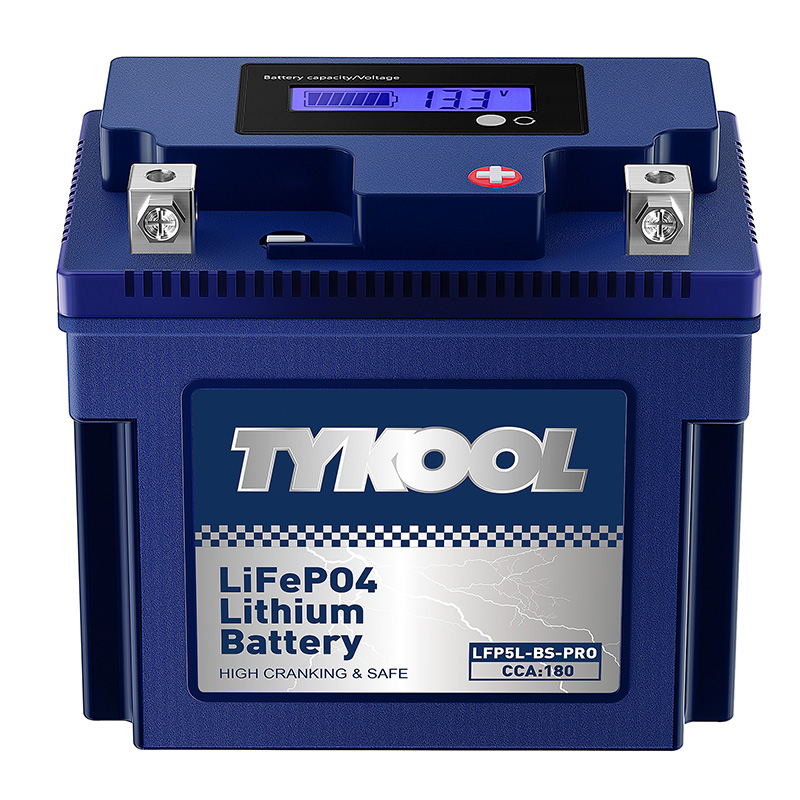
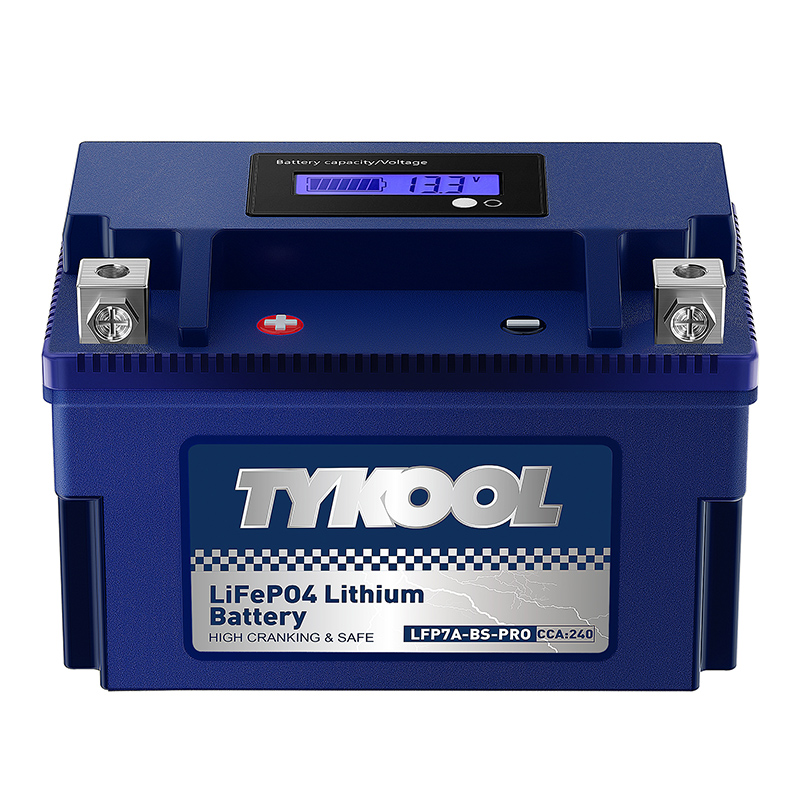
At TYKOOL, we have spent over 10 years researching, developing, and manufacturing high-resolution Lithium Iron Phosphate (LiFePO4) cells. With over 20 tailored models compatible with everything from jet skis to portable generators, we offer the most extensive powersports lithium lineup globally.
However, because lithium technology features active digital management via an integrated Battery Management System (BMS), the installation process is slightly different from a traditional battery.
Follow our comprehensive guide below to ensure a flawless, safe installation and protect your new investment.
Before you grab your wrenches, you need to ensure your new battery and your vehicle's charging system are perfectly matched. Unlike lead-acid batteries, which slowly degrade when exposed to faulty electrical systems, a lithium battery relies on a "Digital Fuse" (the BMS) to protect its cells.
Physical Inspection: Visually check your new TYKOOL battery for any shipping damage (such as cracks or dents). Ensure the terminals are clean and free of oxidation.
Charge Status: Make sure your new battery is fully charged before dropping it into the vehicle.
The Multimeter System Test: Set a multimeter to 20V DC and check your vehicle's charging voltage while the engine is running at its target RPM. The voltage must never exceed 14.8V. Continuous exposure to voltage over 15.0V indicates a faulty regulator, which will trigger a BMS shutdown and void your warranty.
For Vehicles Under 900cc: Test at 5,000 RPM.
For Cruisers Over 900cc & All ATVs/UTVs: Test at 3,000 RPM.
Safety first! Before handling any electrical components, remove any metal objects, watches, or jewelry to prevent accidental short circuits.
Locate the Battery: Depending on your motorcycle, it may be under the seat, behind a side panel, or inside a specialized battery box.
Disconnect the Negative (-) Terminal First: CRITICAL STEP. Always disconnect the black/negative wire first. If your wrench accidentally touches the motorcycle frame while loosening the negative terminal, nothing happens. If you touch the frame while loosening the positive terminal first, it will create a massive spark.
Disconnect the Positive (+) Terminal Second: Remove the red/positive wire.
Remove the Hold-Down Strap: Unbolt any bracket or strap securing the old battery and carefully lift it out.
Now it’s time to drop in the upgrade. TYKOOL batteries boast an impressive instantaneous discharge capability of 60 to 80 times their capacity, delivering ultra-high starting currents for immediate vehicle ignition.
Check the Orientation & Fit: TYKOOL batteries can be installed in any horizontal or vertical orientation except with the terminals facing straight down. Because lithium batteries are significantly lighter than lead-acid, you may notice a difference in weight distribution—ensure the battery sits firmly in the tray.
Secure the Battery: Tighten the battery strap or case bracket so the unit cannot shift during high-vibration rides.
Connect the Positive (+) Terminal First: Connect the red wire to the positive (+) terminal.
Connect the Negative (-) Terminal Second: Connect the black wire to the negative (-) terminal.
Torque the Connections (70-90 in-lbs): Use proper tools to securely tighten the terminal bolts to 70-90 inch-pounds. Do not overtighten, but do not leave them loose. In high-vibration environments, loose terminals cause electrical arcing, which generates extreme heat that can melt the casing before the BMS can intervene.
Before putting your seat or fairings back on, double-check the environment around the battery:
Clearance: To maintain adequate air circulation and prevent heat restriction, try to maintain at least 0.50 inches (12.7 mm) of clearance around the battery housing.
Cable Routing: Ensure that no wires are pinched, stretched, or rubbing against sharp metal edges of the frame.
Turn the key, press the ignition, and listen to how quickly your engine roars to life. By choosing TYKOOL LiFePO4 technology, you have eliminated the frustrating cycle of annual battery replacements and secured thousands of reliable, powerful starts.
Got questions about choosing the right charger or matching the perfect SKU for your vintage cruiser or modern superbike? Reach out to our dedicated team at aftersale@tykoolbattery.com or browse our full lineup today!