




SHOPPING CART(0)
Your cart is empty.
shop now
Your cart is empty.
shop now
You're ready for a weekend ride, but your bike won't start. Before you replace the battery, know this: your lithium battery isn't dead—it's sleeping. Lithium motorcycle batteries, like all Lithium Batteries for Powersports, have a protective BMS that puts them into sleep mode. Ghost voltage and charger confusion are common results. This is normal, not a flaw. We'll show you a simple, safe way to wake it up easily.
Your powersports vehicle uses power even when it's parked. The alarm, the dash clock, and the ECU memory all take small amounts of energy. Over weeks without use, these small drains add up. They slowly lower the voltage until the battery hits a critical point.
Inside every good lithium battery is a Battery Management System, or BMS. This small circuit board checks each cell all the time. When voltage drops below about 10 volts, the BMS acts. It stops the power flow completely. This shutdown stops permanent cell damage from deep discharge. The battery then enters a low-voltage sleep mode.
Think of this as a safety switch. The BMS gives up power to save the battery's life. Without this feature, a deeply discharged lithium cell could become unsafe or fail completely. Sleep mode is not a flaw. It is a built-in safety feature. Your battery is not broken; it is protecting itself.
Here is where confusion starts. You pick up a multimeter and touch the terminals. The screen shows 0 volts. You think the battery is dead. But this reading tricks you.
The 0V reading comes from a small leakage current through the MOSFET, a part inside the BMS. This leakage creates what experts call "ghost voltage." The meter sees zero because the BMS has opened the circuit. But the actual cells inside may still hold a good charge. The true state of the cells is hidden behind the BMS's protective wall.
So, a 0V reading does not mean empty cells. It means the BMS has turned off the output. The energy stays stored inside. This difference matters because it changes your next move. You do not need a new battery. You need a way to wake the BMS and restore the connection. That process is easier than you might think.
You connect your smart charger. The indicator light flashes red or stays off. Nothing happens. This frustrates many owners of Lithium Batteries for Powersports.
Standard smart chargers need a minimum voltage to start charging. Most require at least 2 volts. Your sleeping battery shows 0 volts on the terminals. The charger sees this as a fault. It thinks the battery is damaged or shorted. So it refuses to send any power.
The charger does not know about the BMS sleep mode. It only reads the voltage at the terminals. That reading is zero. The charger plays it safe by doing nothing. This is not a problem with your battery or your charger. The two devices just speak different languages. You need to bridge that gap.
Method one uses a lithium-specific charger. Some chargers have a special "BMS Wake-up" or "0V Start" function. This function sends a very low current pulse. The pulse is only 0.1 to 0.5 amps. This small current reaches the BMS and tells it to wake up. Once the BMS activates, the cells reconnect to the terminals. The charger then sees a real voltage and starts normal charging. This method is safe and simple. You just need the right charger.
Method two works without a special charger. You need a healthy 12-volt battery. This can be from another vehicle or a standard lead-acid battery. Connect the healthy battery in parallel with your sleeping lithium battery. Use jumper cables. Positive to positive.
Negative to negative. Leave the connection for 10 to 30 seconds. This provides enough voltage to wake the BMS. After that, disconnect the healthy battery. Your lithium battery should now show a normal voltage. Then you can charge it with your regular charger.
The parallel method works because the healthy battery provides the voltage the BMS needs to wake up. The BMS senses a normal voltage level and reconnects the cells. This takes only a few seconds. Do not leave the connection for more than 30 seconds. This prevents any risk of overloading your lithium battery.
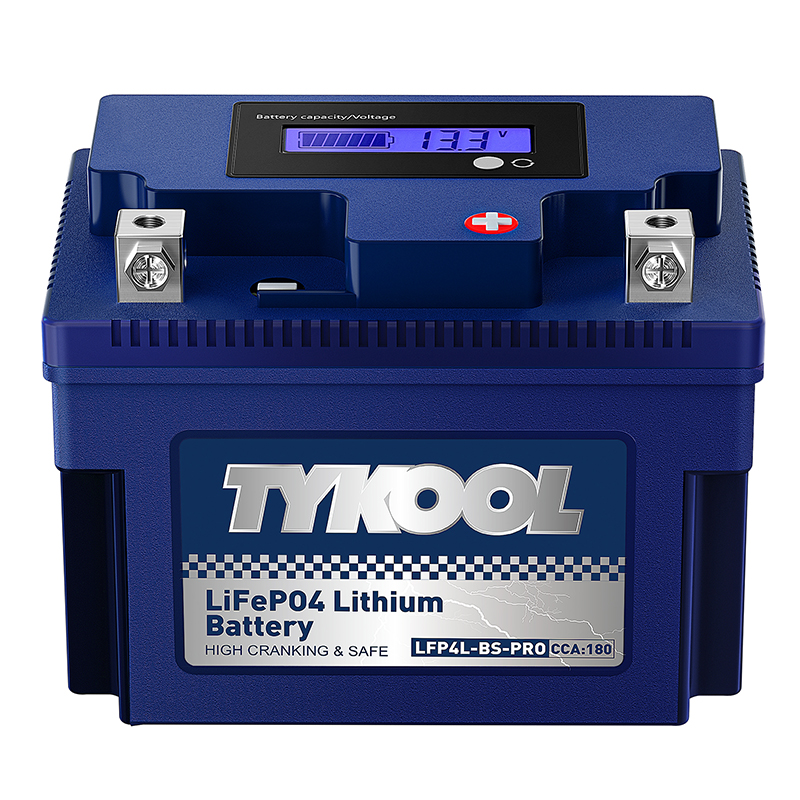
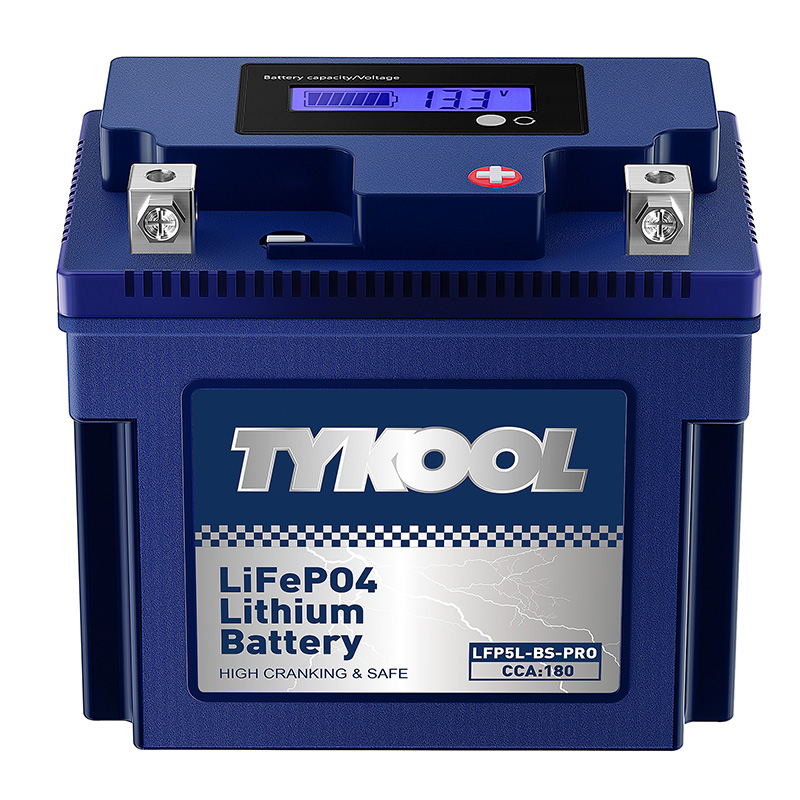
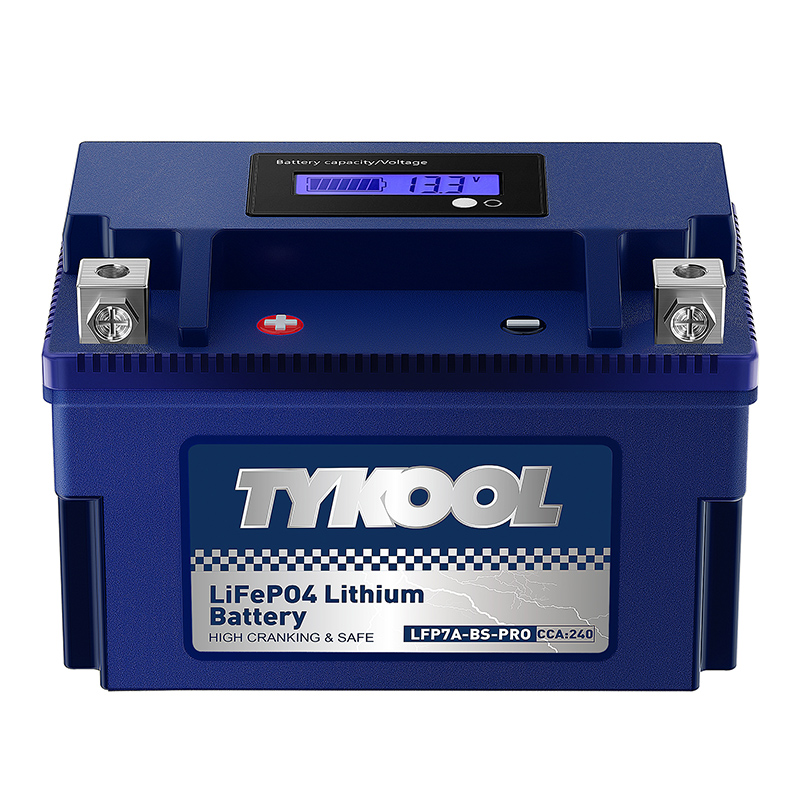
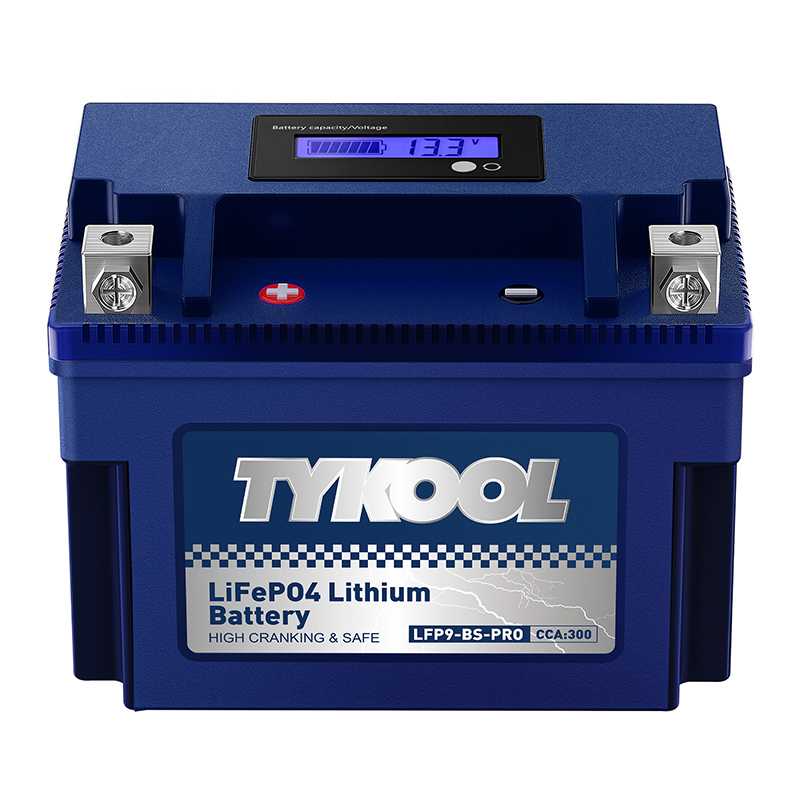
TYKOOL Lithium Batteries include a strong BMS that protects the cells well. Some models also have a digital display. This display shows the real voltage of the cells. You can check the battery health before it reaches sleep mode. This helps you catch a low state early. With regular monitoring, you can avoid deep sleep mode entirely.
For example, suppose you have a battery model like the YTX14AHL-BS Replacement. This battery fits many motorcycles. If it falls into sleep mode, you can use either method above to revive it safely. Both methods are proven and effective.
The key is to act quickly once you notice the problem. The revival methods are straightforward. You do not need special tools or advanced skills. Follow the steps carefully, and your battery will wake up ready for your next ride. Many riders find that a sleeping lithium battery for Powersports wakes up easily with these steps.
A sleeping battery is not a dead battery. The BMS protects your cells, the 0V reading misleads you, and the charger simply misunderstands. With the right tools, you can revive your Lithium Batteries for Powersports safely. Prevention beats revival, though. Invest in a smart maintainer charger or disconnect the battery for storage. TYKOOL owners can use the digital display to monitor health and avoid deep discharge.