




SHOPPING CART(0)
Your cart is empty.
shop now
Your cart is empty.
shop now
A twelve-year-old gas mower sputters every spring. Owners face a familiar choice: fix the old engine or look at modern options. The powersports industry passed its lithium-ion turning point years ago. ATVs and snowmobiles now start reliably with lithium battery for lawn mower technology. Yet ride-on mower electrification is still under 20% adoption. A perfect storm builds for 2026. The tech has matured, the replacement cycle lines up, and market economics finally favor the Lawn Mower Battery switch. This year marks the real tipping point for lithium-ion electrification in lawn mowers.
Electric tools now make up over 30% of the garden tool market. Handheld trimmers, blowers, and chainsaws have already switched over. But ride-on mowers are a different case. Fewer than 20% of these machines run on battery power. This gap confuses many people. The technology is there. The benefits look clear. So why do riding mowers fall so far behind?
The reason comes down to size and cost. A handheld trimmer only needs a small battery pack. A riding mower needs a much bigger power source. Early lithium batteries for this job had very high prices. Lead-acid batteries stayed much cheaper. Many makers held back on redesigning their mower platforms. They worried about charging compatibility and cold-weather performance. These issues slowed the move to lithium-ion electrification in lawn mowers.
Ride-on mowers face special problems. They need steady power for hours, not just minutes. They sit in sheds through cold winters. Their charging systems differ a lot by brand and model year. Older machines often give off unstable voltage. This uneven power can harm sensitive battery management systems. Makers needed time to fix these issues.
The replacement market also caused delays. Most ride-on mowers use standard battery sizes. Owners could easily put in a new lead-acid unit. Lithium options needed careful matching. Early buyers sometimes picked the wrong type. Bad experiences spread fast through owner groups. This hesitation slowed the wider shift toward lithium-ion electrification in lawn mowers.
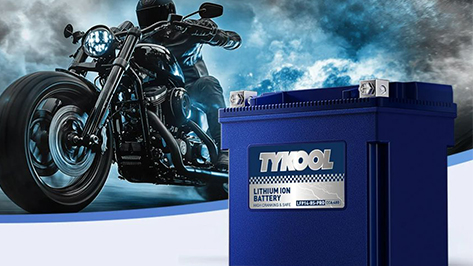
The powersports industry faced similar pushback. ATVs and snowmobiles used heavy lead-acid batteries for many years. Riders doubted lithium performance in freezing weather. Early products proved some worries right. Voltage spikes harmed electrical systems. Cold cranking amps did not meet expectations.
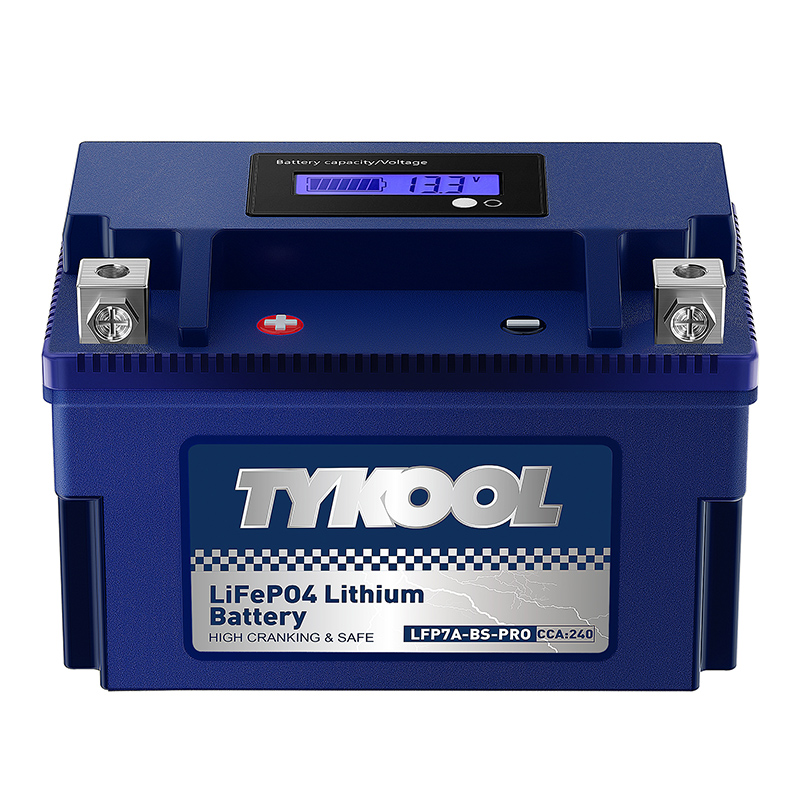
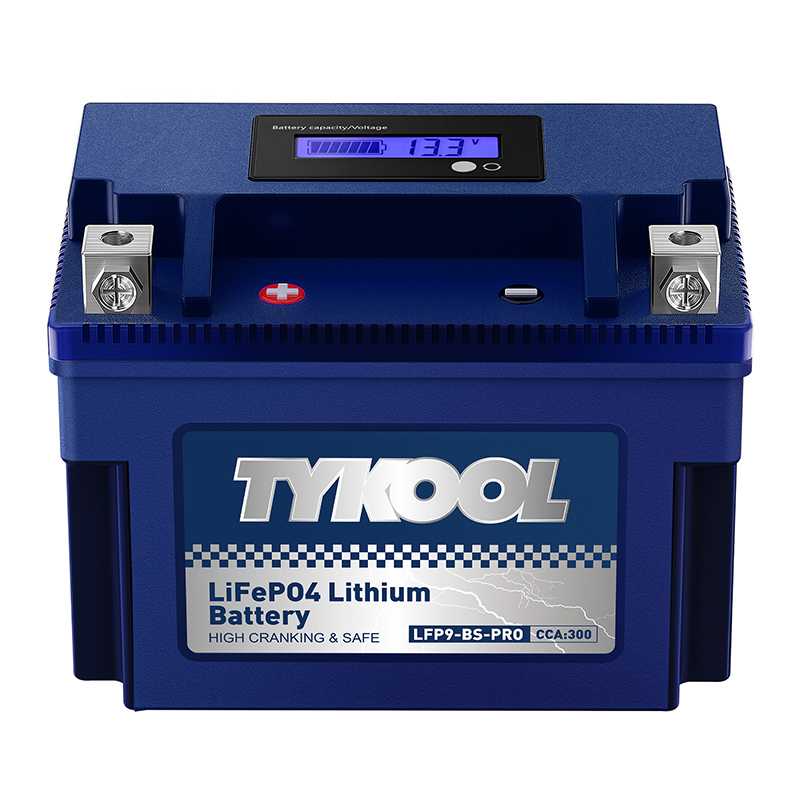
The fix came through smarter engineering. Modern battery management systems control output with precision. LiFePO4 chemistry gives steady power even in very cold conditions. Honda saw this progress. The company committed to expanding electrification across its powersports lineup. This industry move reassured both customers and dealers. The same plan now applies to lawn care. A quality lithium battery for lawn mower uses offers dependable cranking power. The Lawn Mower Battery market is ready for a similar change.
Many homeowners are not sure if lithium batteries can work as well as gas engines. The numbers tell a different story. Modern lithium iron phosphate batteries give starting power that is as good as lead-acid units. Less internal resistance lets more power get to the starter motor. So a Lawn Mower Battery starts engines just as reliably as a gas-powered system.
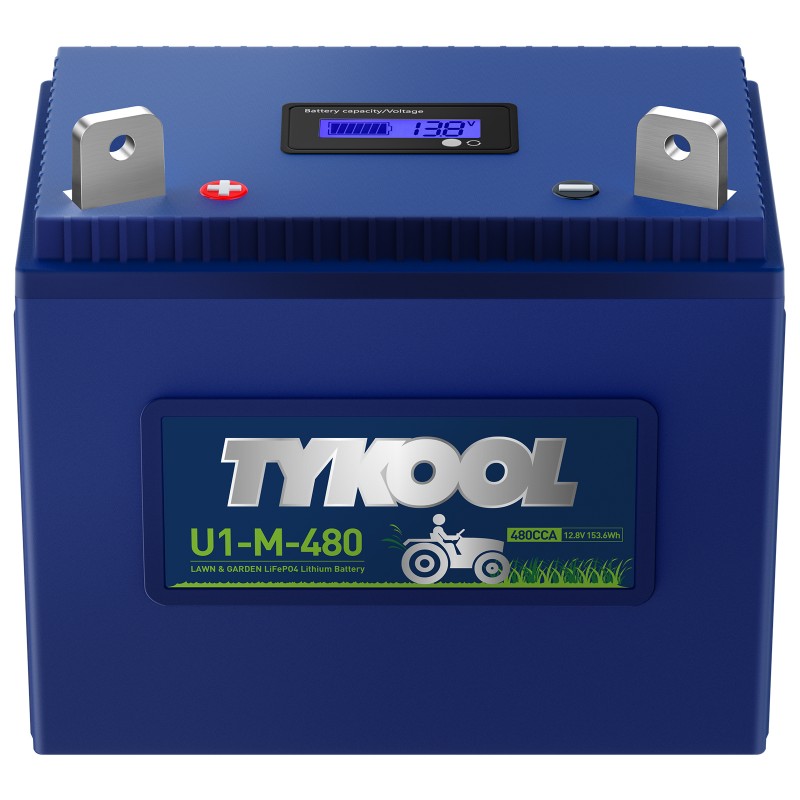
Cold cranking amps (CCA) show how well a battery can start an engine in cold weather. A typical Group U1 lithium battery has 400 to 800 CCA. This range works for most riding mowers and garden tractors. Lead-acid batteries give similar CCA numbers. However, lithium batteries keep voltage steadier when the engine is cranking. The starter motor gets full power from the first crank. This steady power stops the slow cranking that old batteries cause.
Keeping voltage steady is very important. Pre-2015 mowers often have parts that send out 14.5 to 15.5 volts. This power level can hurt older lithium batteries. Modern battery management systems control the incoming power. They stop the cells from getting too much charge. This feature lets a lithium battery for lawn mower work with older charging systems. This compatibility opens up more machines for electric upgrades.
Lithium iron phosphate chemistry lasts 10 times longer in cycles than lead-acid. A standard lead-acid battery works for 300 to 500 cycles. A LiFePO4 unit can go over 3,000 cycles. This difference is most important when storing the mower for months. Lead-acid batteries lose their charge faster. They need a charger to keep them full during winter. Lithium batteries keep their charge for months. Owners can store the mower and know the battery will start in spring. The move to lithium-ion lawn mowers relies on this dependability. A battery that lasts through winter without a charger fixes a big problem.
Temperature performance gets better too. LiFePO4 chemistry gives steady power from -20°F to 140°F. Cold weather no longer ruins starting reliability. The lithium-ion lawn mower market now has options that work as well as older systems.
The real market opportunity is not about selling new electric mowers. It is about replacing batteries in mowers that people already own. Experts say there are about 25 million ride-on mowers in North America. Many of those mowers were built between 2005 and 2014. Those machines are now ready for their second or third battery change. Owners who bought a lead-acid battery three years ago face the same dead-battery problem again. This time, they have a better choice.
A normal lead-acid battery lasts three to five years in a riding mower. The 2005-2014 fleet has already used two or three of those batteries. Each time a battery dies, owners ask the same question: spend money on another short-term fix or make a lasting upgrade. The numbers favor the upgrade. A lithium battery for lawn mower applications costs more at first. But its 3,000-plus cycle life spreads that cost over ten years or more of use. Lead-acid buyers pay the same price again every few years. Lithium buyers pay once and do not worry about batteries for years.
The winter storage problem speeds up this replacement wave. Lead-acid batteries lose their charge during cold months. Owners who skip the trickle charger find a dead battery in spring. This frustration happens every year. The aging fleet makes it worse because older charging systems often overcharge or undercharge lead-acid units. The result is a growing group of owners ready for a permanent fix. This demand lines up perfectly with the maturity of lithium-ion electrification in lawn mowers.
Drop-in compatibility decides which brands win this replacement wave. Owners do not want to rewire their mowers or change battery trays. They want a direct swap that takes minutes, not hours. Manufacturers that offer exact-fit replacements get the business. Models like the 51913 and 51814 replacements match the size and terminal layout of common lead-acid units. Owners remove the old battery, put the new one in the same spot, and connect the same cables.
Voltage control matters just as much as physical fit. Pre-2015 mowers often give off unstable charging output between 14.5 and 15.5 volts. A modern battery management system absorbs this uneven power and protects the cells. This feature makes the upgrade safe for older machines. The term "revival kit" fits well. These batteries give new life to perfectly good mowers that only have weak starting power. The Lawn Mower Battery upgrade costs much less than a new machine. It also avoids the trouble of getting rid of a working mower. This mix of fit, safety, and value makes drop-in lithium replacements the key that opens the 2026 replacement wave. The shift toward lithium-ion electrification in lawn mowers will happen one battery swap at a time.
Consumer Reports recently said battery-powered yard tools are great in a big review. The magazine pointed out they run quietly and need little care. This support matters to many shoppers. Lots of homeowners trust Consumer Reports when they buy things. The review shows that battery tech is now accepted by most people. Small handheld tools switched over years ago. Now riding mowers also get this kind of praise. This change affects how stores stock their shelves.
Homeowners now see battery power differently than five years ago. People compare quiet electric mowers to loud gas ones. Social media groups share good stories about lithium upgrades. These talks build trust with real-life examples. A lithium battery for lawn mower no longer feels like a test. Owners talk about instant starts and easy winters. They tell friends they skip the yearly battery swap.
Stores notice this change in what people want. Big-box retailers give more shelf space to electric lawn gear. Sales staff learn about battery specs. Online shops have tools to compare drop-in replacements. This shift makes it easier for regular homeowners to switch. They can see choices, read reviews, and pick a battery without help. The Lawn Mower Battery category now appears in normal catalogs with old parts.
Home improvement stores also offer new services. Many now install drop-in lithium batteries for customers. This service removes the last hurdle for people who aren't handy. The mix of good reviews, store availability, and setup help creates strong momentum. People clearly no longer doubt this technology.
Many things coming together make 2026 different from earlier years. Mowers built from 2005 to 2014 are now on their third battery. Owners face dead batteries each spring and feel more annoyed. The cost to replace lead-acid units keeps going up. At the same time, lithium prices drop as factories make more.
Smart battery tech has reached full maturity at the right time. Modern battery systems safely handle old charging outputs. Voltage control keeps cells from damage. Cold weather now works as well as or better than lead-acid. These fixes remove the problems that slowed earlier adoption.
Laws also push things forward. Some states and cities give rebates for electric lawn tools. A few places ban gas mower sales in summer. These rules nudge unsure people toward electric options. The shift to lithium-ion lawn mowers follows the same path powersports took ten years ago.
Market experts see the pattern clearly. Early adopters already made the switch. Now the early majority comes with different needs. They want dependability, fit, and fair prices. Drop-in replacements give all three. Owners don't need to buy new mowers. They just swap batteries and keep using their old machines.
The facts point to one answer. 2026 lines up the natural replacement cycle with mature tech and good market conditions. Homeowners with old mowers have a clear choice. They can buy another short-lived lead-acid battery. Or they can get a lithium upgrade that lasts ten years. The math favors lithium. The tech works. The market is ready. This year is the real turning point for battery-powered lawn care.
The lawn mower market now enters its Growth Phase. Early adopters made the switch. The Early Majority follows with practical needs. 2026 aligns perfectly with the aging 2005-2014 fleet. Modern battery management systems handle legacy charging outputs safely. A lithium battery for lawn mower offers dependable power for years. Owners must check their mower's age. They can join the replacement wave with a reliable Lawn Mower Battery upgrade, or remain the last holding onto gas.