




SHOPPING CART(0)
Your cart is empty.
shop now
Your cart is empty.
shop now
A lithium car battery is a rechargeable pack that stores electricity and sends it to an electric vehicle's motor. Think of it as a phone battery made bigger for a car. This post explains what it is, how it stores and releases energy, and how that energy moves the car — no jargon.
Picture a water tank on a hill. Water fills the tank, waits there, and flows out through a pipe when you open the valve. A lithium car battery works the same way. Electrical energy fills the pack, sits in storage, and flows out to the motor on demand. The tank holds water; the battery holds charge.
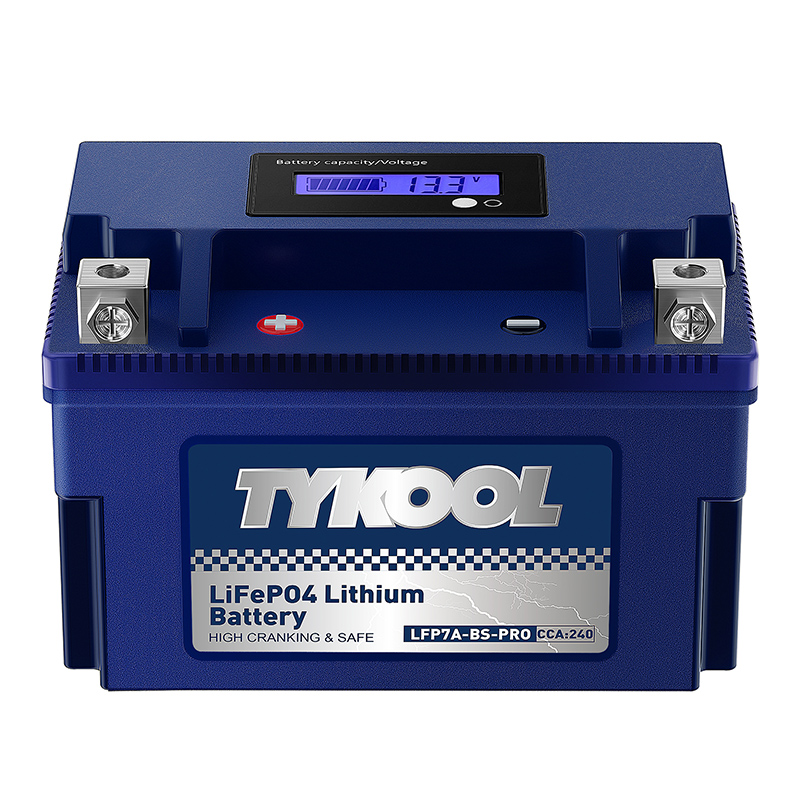
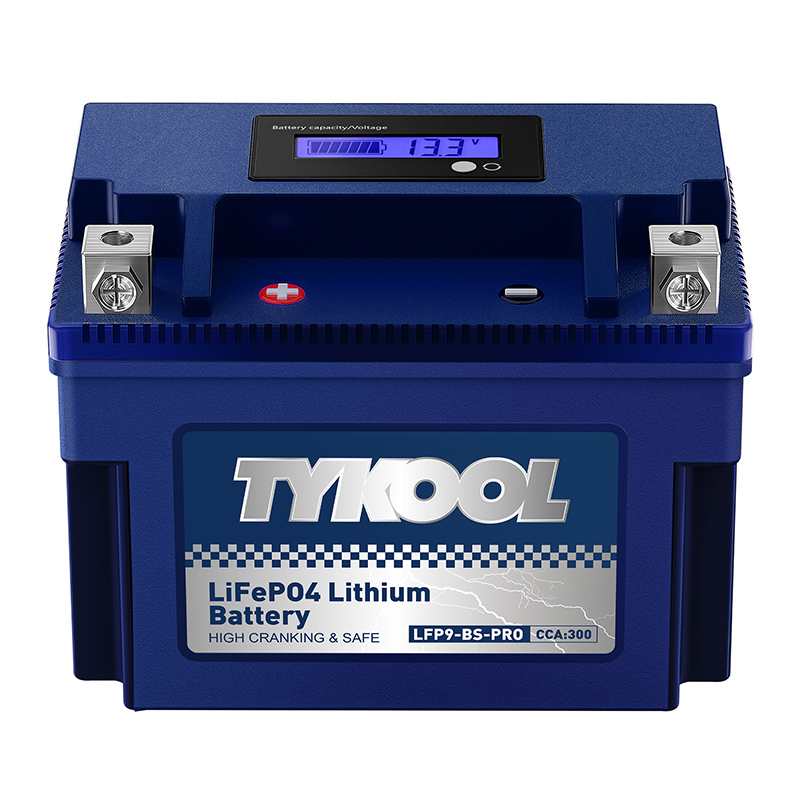
Three main parts do the work. Cells are the storage units, and each one holds a small amount of energy. You can think of cells as the individual water bottles inside the tank. The management electronics act as the valve controller. This small circuit watches every cell, keeps the flow balanced, and shuts things down if conditions drift outside a safe range. Terminals are the connection points on the outside. Thick cables clamp onto the terminals and carry current to the rest of the car. That is the whole picture — no deep chemistry required.
The cycle follows a simple loop, and you can trace it step by step:
You plug in the charger, or the car's own charging system sends current in.
Energy flows through the terminals and into the cells.
The management electronics monitor the fill level and stop the flow when the pack reaches full.
You drive, and the motor draws energy back out through the terminals.
The cells release their stored charge and the pack empties.
The management electronics guard against over-discharge, then the loop starts again.
A 12V LiFePO4 car battery runs this same loop with a chemistry known for stability and a long service life. Many drivers treat a lithium-ion car battery replacement as a straight swap for an old lead-acid unit, and the loop above is exactly what changes hands in that swap.
Two habits keep the loop healthy. Keep the terminals clean and tight, because a loose clamp wastes energy as heat. Store the car in moderate temperatures when you can, since extreme cold slows the flow and extreme heat stresses the cells. Neither habit demands special tools. A wrench, a rag, and a little attention cover both.
The path from stored charge to forward motion is short. Your battery pack keeps energy in its cells. When you press the accelerator, the management electronics let the flow open. Current goes through the terminals and along thick cables to the motor. The motor turns that electrical energy into spinning motion. A gear reduction then sends the spin to the wheels, and the car moves.
You can follow the same path backward when you slow down. The motor works as a generator, the wheels turn it, and energy flows back into the pack. This regenerative step makes your driving range longer without any extra effort from you.
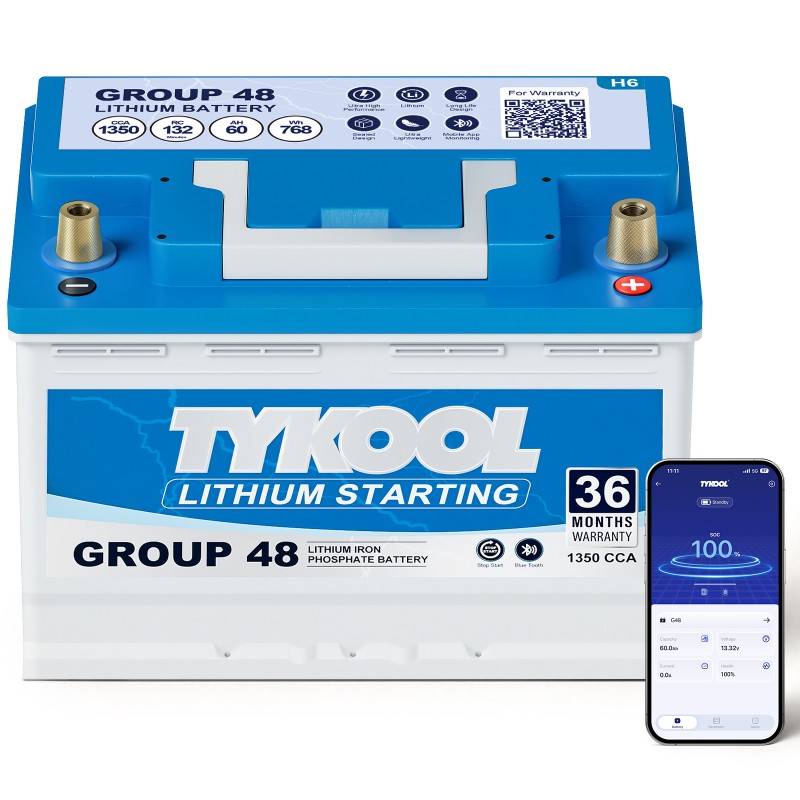
A real example makes the path clear. The TYKOOL 60Ah Group 48 12V lithium car battery fits popular makes such as BMW, Audi, VW, Ford, and Chevy. It weighs less than a similar lead-acid unit, lasts longer, recharges faster, and needs no upkeep. Built-in management electronics protect against overcharging and overheating. Lead-acid still works well for some budgets and older cars, and many drivers stay with it happily. A lithium-ion car battery replacement just swaps one storage unit for another, and the path above keeps going unchanged.
Three traits explain why it fits. First, weight. Lithium packs store more energy per pound than older chemistries, so the car carries less mass and goes farther on the same charge. Second, lifespan. A lithium car battery handles many more charge and discharge cycles before capacity fades. You replace it less often. Third, recharge speed. Lithium cells take in current quickly, so a charging stop takes less time.
A 12V LiFePO4 car battery adds steadiness to that list. The chemistry holds up well through repeated cycles and resists thermal stress. These traits matter for daily drivers and performance fans alike. The same properties that suit an EV's traction pack also suit the 12V accessory battery under the hood.
The path stays simple at every scale. Energy sits in storage, flows to a motor, and turns the wheels. Lithium makes each link lighter, longer-lasting, and quicker to refill.
A lithium car battery is a rechargeable pack that stores electricity and feeds it to an electric vehicle's motor. The chain stays short: the pack stores energy, sends it to the motor, and the motor turns the wheels.
You now know the whole process, and it is simpler than it sounds. Check the FAQs for quick answers to your remaining questions.