




SHOPPING CART(0)
Your cart is empty.
shop now
Your cart is empty.
shop now
Lead-acid batteries have ruled powersports for many years: cheap, well-known, and good enough. Lithium Batteries for Powersports now beat them. Riders who want more are making the switch. Lithium gives you up to 70% less weight, 600A cranking, steady 13.2V output, and 2,000–5,000 cycles compared to lead-acid's ~1,000. This comparison takes on the common worries—fire, cold, cost, and charging.
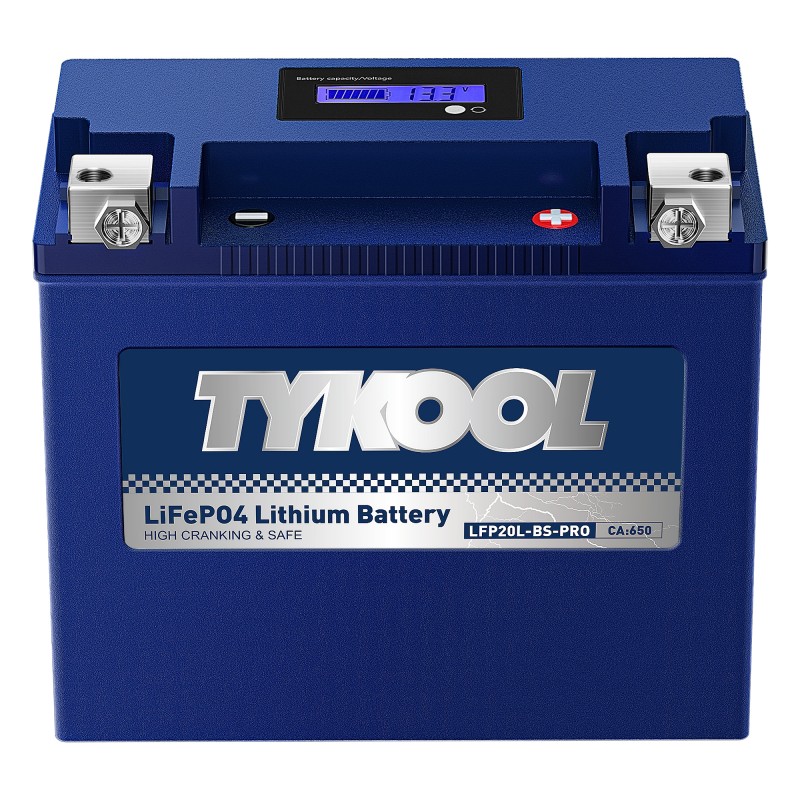
Many riders worry about lithium batteries catching fire. This fear comes from early lithium-cobalt cells used in phones and laptops. Powersports batteries use LiFePO4 chemistry instead. This chemistry is naturally stable. It resists thermal runaway far better than older lithium designs. Good units also include a built-in Battery Management System. The TYKOOL YTX20L-BS-PRO, for example, uses its BMS to stop overcharge, over-discharge, and overcurrent. Cell balancing inside the pack extends life and keeps performance steady. A protected LiFePO4 pack has no bigger fire risk than a lead-acid box in normal use.
Cold mornings once hurt lithium's reputation. Old lithium types lost cranking power in freezing temperatures. Modern LiFePO4 fixes this. It works better in the cold and can fast charge when temperatures are low. Riders in northern states can start their machines on frosty mornings without trouble.
Parasitic drain is another common worry. Lead-acid batteries slowly lose charge while sitting. A stored motorcycle, ATV, or lawn mower battery often dies in weeks. Lithium self-discharge is under 1% per month. A vehicle parked in October can still start in April. That low drain rate also means fewer trickle charges and less winter maintenance.
The claim that "lithium doesn't last" is equally outdated. A quality LiFePO4 pack gives 5,000 cycles at 80% depth of discharge. Lead-acid gives about 1,000 cycles with gentle use. In real life, it lasts 5 to 10 times longer. That means 8–10 years of reliable starts versus 2–3 years from lead-acid. Lithium Batteries for Powersports cost more upfront but far less per year of service.
These myths live on because early lithium products earned a bad name. Today's LiFePO4 cells with proper BMS protection tell a different story. Fire risk is tiny, cold starts are reliable, and stored vehicles keep their charge. The evidence favors lithium on every point that once caused doubt.
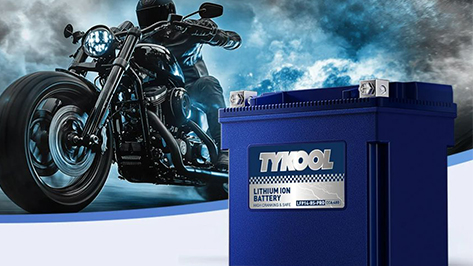
The first thing riders notice is weight. A lithium pack weighs about 70% less than the lead-acid box it replaces. That drop matters on a dirt bike, an ATV, or a UTV. Less weight means quicker handling, easier lifting, and less strain on the frame. A Lithium Motorcycle Battery also frees up space in the battery tray for tools or other gear.
Cranking power tells a bigger story. The TYKOOL YTX20L-BS-PRO delivers 600A of starting current. That is three times the power of a typical lead-acid battery. Cold engines, high-compression builds, and big-bore machines all turn over faster. The starter spins with more authority, so the engine fires on the first push. Energy density is the reason. Lithium packs store more usable power in a smaller, lighter case. High discharge rates stay steady under load. Racing, hill climbing, and winching all demand that kind of burst power. Lead-acid sags under the same stress.
Voltage stability sets lithium apart from lead-acid in daily use. Voltage-dependent systems benefit from that consistency. Starter motor windings, fuel injection, and onboard electronics all perform better with a stable supply. Lead-acid voltage drops as the battery discharges. Cranking gets weaker with every start. Lithium keeps its output flat until the pack is nearly empty.
Self-discharge is the other quiet advantage. Lithium Batteries for Powersports lose under 1% of charge per month. A bike stored in a cold garage for six months still has most of its power. Lead-acid can lose several percent per month, and a small parasitic draw will kill it faster. Riders who park their machines for winter no longer need a trickle charger running all season. They also avoid the sulfation that ruins idle lead-acid plates.
These two traits work together. Stable voltage means strong starts every time. Low self-discharge means the battery is ready after months of storage. For riders who value reliability, Lithium Batteries for Powersports deliver both without compromise.
Switching to Lithium Batteries for Powersports is not a simple swap for every machine. A few easy checks can stop most problems.
Lithium takes in almost any charge current. It charges faster than lead-acid. That speed can be too much for older regulator/rectifiers. Check that your vehicle's charging system works with lithium. Many newer machines can handle it. Some older models need a lithium-compatible regulator/rectifier.
The charger also matters. A lead-acid trickle charger can hurt a lithium pack. Its charge curve does not match lithium chemistry. Use a charger made for lithium. It controls voltage and current the right way. A good lithium battery has a BMS. It stops overcharge, over-discharge, and overcurrent. A proper charger is still your first line of defense.
If the charger label says "lead-acid only," do not hook it up to a lithium battery.
Cold weather brings one more warning. Do not charge a frozen pack. Let it warm up to room temperature first.
Physical size matters. Lithium cases are often smaller than lead-acid boxes. The tray may have extra room. Many lithium packs need spacers to sit tight. Measure your old battery first. Compare height, width, and length. Then check where the terminals point. A positive lead on the wrong side makes cable routing awkward.
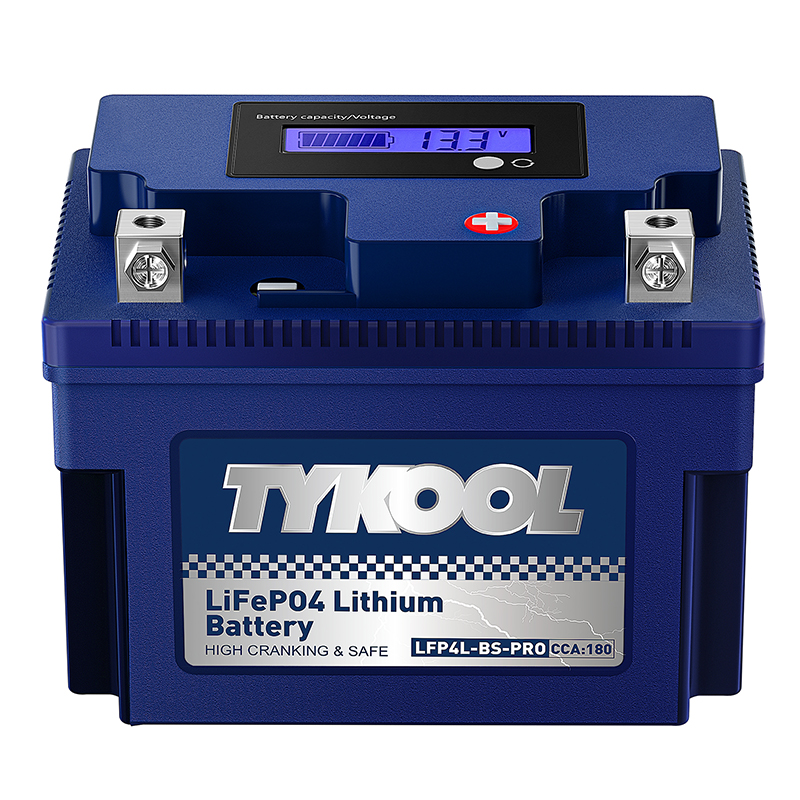
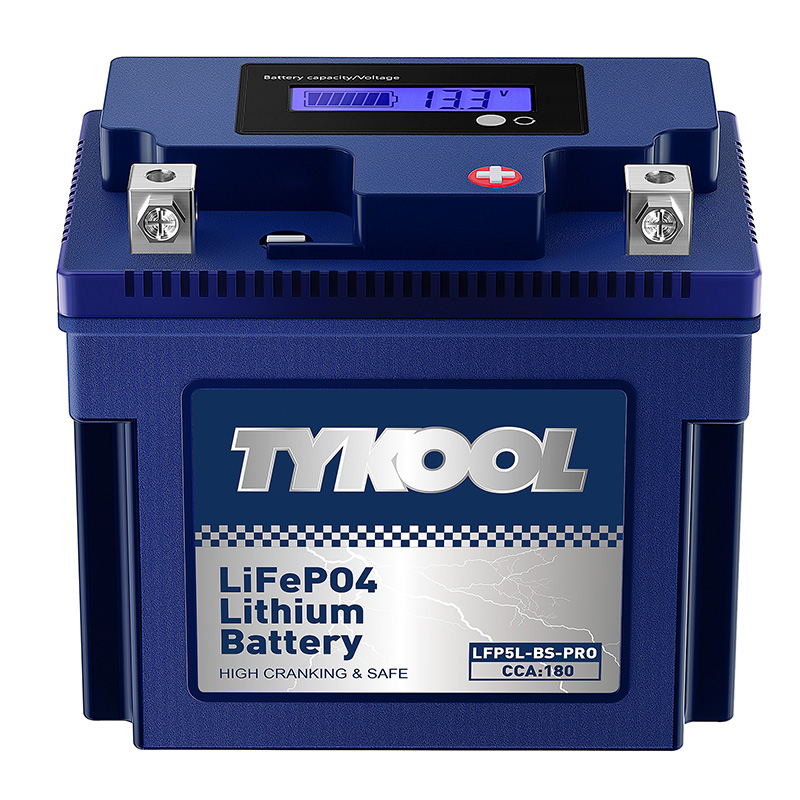
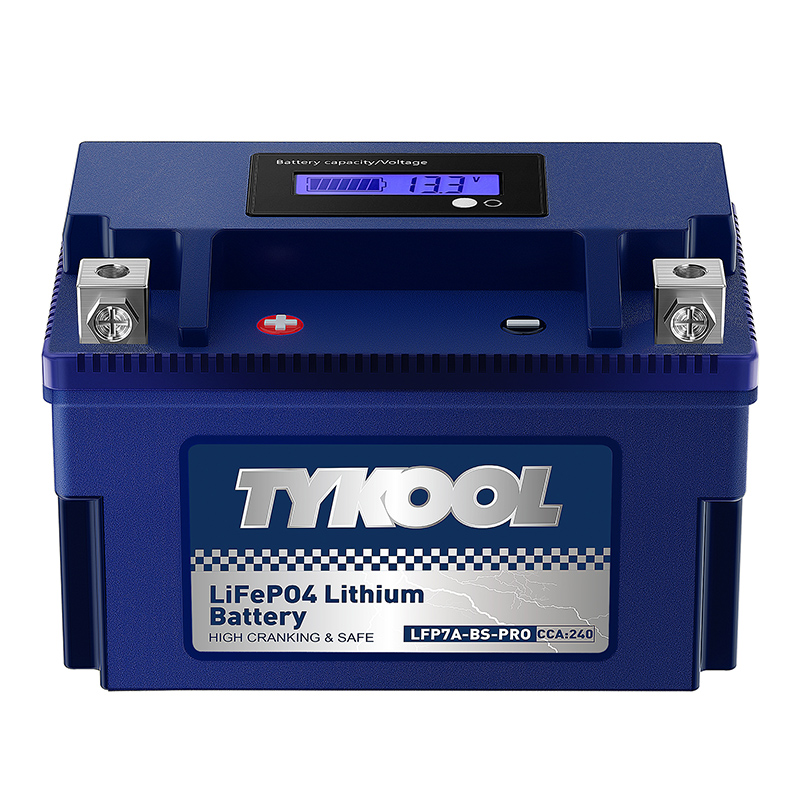
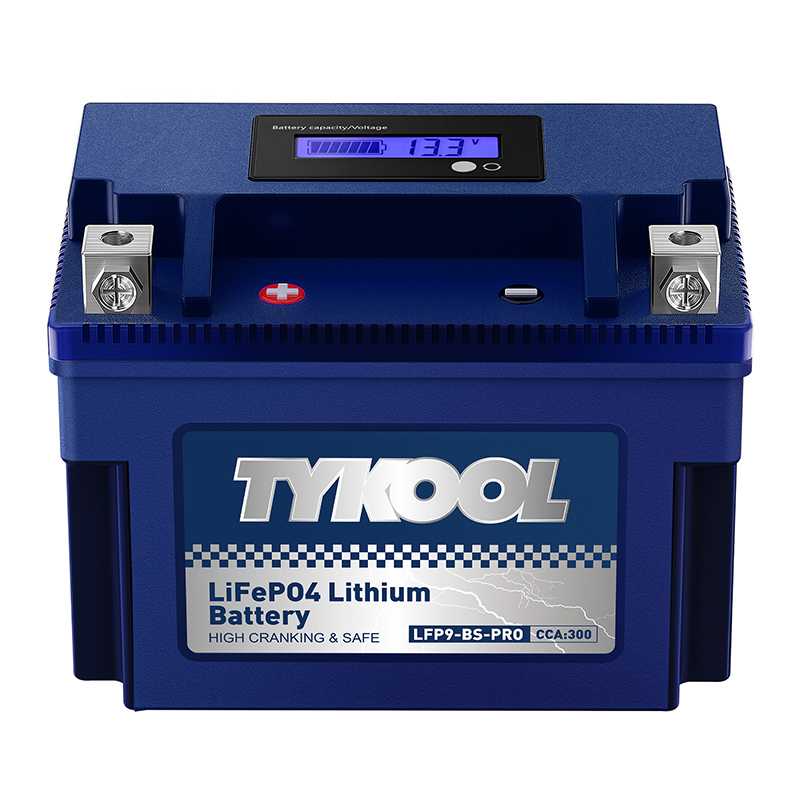
Installation takes a few steps. Take out the old battery. Clean the tray. Put the new pack in place. Attach cables snugly. Do not overtighten. Vibration loosens connections over time, so check them after the first ride. If the battery has a digital display, connect it last.
Warranty and returns take away the guesswork. TYKOOL gives a 1-year warranty and 30-day returns. Free USA shipping lowers the risk. If something does not work, send it back. That kind of safety net is rare among battery sellers.
Lithium Batteries for Powersports win on weight, cranking power, voltage stability, cycle life, and self-discharge. Fire, cold, and drain fears fade with a proper LiFePO4 pack and built-in BMS. Yes, you pay more upfront. You then get 8–10 years of service instead of 2–3. For reliability and long-term value, lithium is the clear choice.