




SHOPPING CART(0)
Your cart is empty.
shop now
Your cart is empty.
shop now
Yes, vibration and rough terrain can hurt Lithium Batteries for Powersports. Constant shaking wears down internal parts. This damage builds slowly, so you often miss the early signs. This post explains why it happens, how bad it gets, and what you can do about it.
A lithium battery looks solid from the outside. Inside, it holds many thin layers, foil sheets, and small connectors. These parts sit close together and rely on steady pressure to work well. Constant vibration changes that. Every bump and shake makes internal parts rub against each other. Over time, this rubbing loosens the layers and wears down the materials that hold them in place.
When internal parts loosen, the path for electricity gets weaker. This raises internal resistance. Higher resistance means the battery must work harder to push out the same current. That extra work creates more heat. Heat plus vibration speeds up aging. The battery loses capacity faster than it should. You may notice weaker starts or shorter run time after just a few months of rough riding.
Sudden jolts make things worse. A hard landing or a big pothole sends a sharp shock through the battery. That shock can shift cells out of alignment. It can also stress the tiny welds and tabs that connect cells together. Once those connections weaken, the battery cannot deliver full power. The damage builds slowly, so you often miss the early signs.
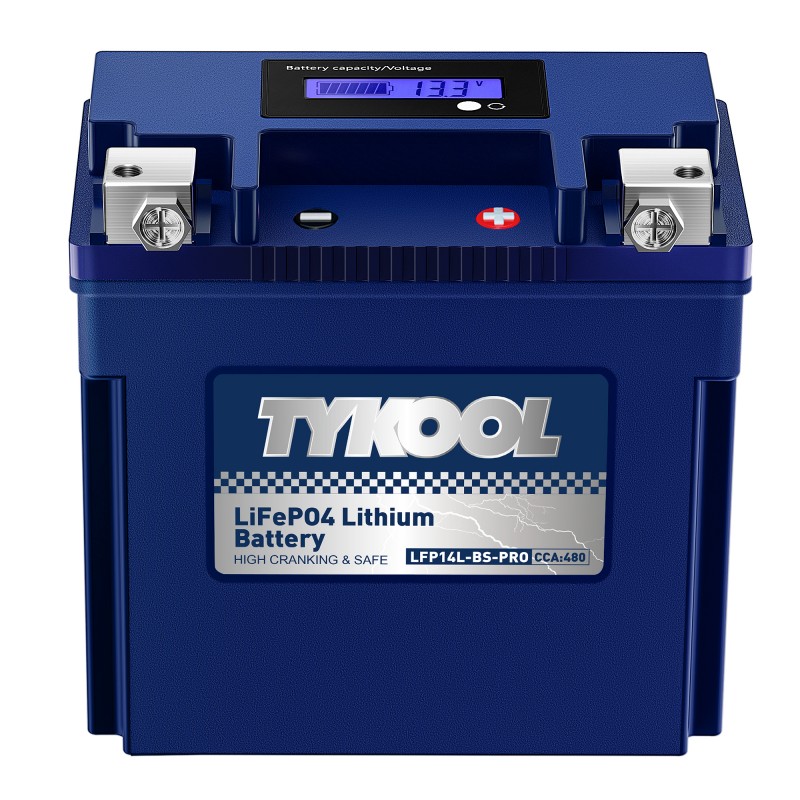
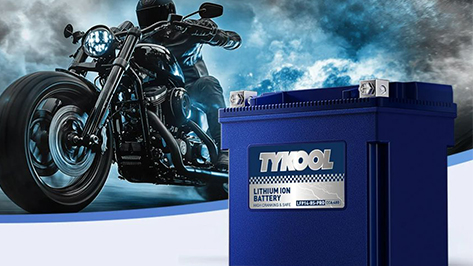
LiFePO4 chemistry handles vibration better than lead-acid. The cells are more stable and resist physical stress. A battery like the YTX14L-BS LFP Battery uses this chemistry and performs well on rough trails. Still, no battery is immune. Even the best Lithium Batteries for Powersports will age faster when vibration is constant and severe.
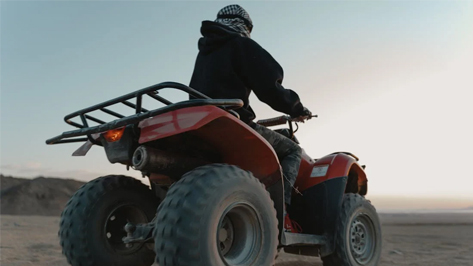
Rough terrain combines two problems at once. You get constant vibration from the engine and the road. You also get sudden jolts from rocks, roots, and hard landings. Together, these forces attack the battery from every direction. The case flexes. The cells shift. The connectors take a beating.
Heat makes everything worse. When you ride hard, the battery heats up. Vibration adds more stress on top of that heat. This combo accelerates capacity loss. The battery may still work, but it will not hold a charge as long. It will also deliver less starting power when you need it most.
The lesson is simple. Vibration and rough terrain are real threats to battery life. You cannot avoid every bump. You can, however, understand the risk and take steps to reduce it. Good mounting and smart habits go a long way.
Vibration attacks three areas: the outer case, the inner cells, and the connectors. Each part fails in its own way. You can prevent most of this damage with routine checks. Knowing what to inspect makes a big difference.
The case takes the first hit. Rigid plastic bends with every bump. Stress lines show up at corners. Cracks get bigger over time. A crack opens up. Moisture and dirt get inside. Corrosion comes next. It ruins the seal. Mounting points get weak too. A cracked case cannot hold bolts tight.
The cells depend on friction material to stay in place. Vibration wears this material down. Cells move and rub against each other. The rubbing damages thin foil layers inside. Terminals feel the strain too. Loose connectors raise internal resistance. The battery must push current through a weaker path. You will notice slower cranking and less reserve power. The problem builds quietly over many rides.
Loose parts create bigger threats. A frayed connection can arc or spark. A cracked case lets water reach live cells. That combination may cause a short circuit. You might not see the danger until the battery fails. Reinforced battery cases reduce this risk. They resist bending and keep internal parts stable. Stronger cases extend battery life, especially off-road.
A built-in Battery Management System (BMS) adds a safety layer. TYKOOL batteries include this standard feature. The BMS guards against overcharge, over-discharge, and overcurrent. Cell balancing technology monitors each cell. It keeps voltage levels equal and stops one cell from draining another. That balance extends service life and reduces sudden failure.
Vibration wear shows up in three ways. Internal resistance rises. Capacity drops. Charge cycles get fewer. These changes connect to each other. Higher resistance makes the battery work harder. That extra work creates heat. Heat breaks down the materials inside. The battery holds less energy with each charge.
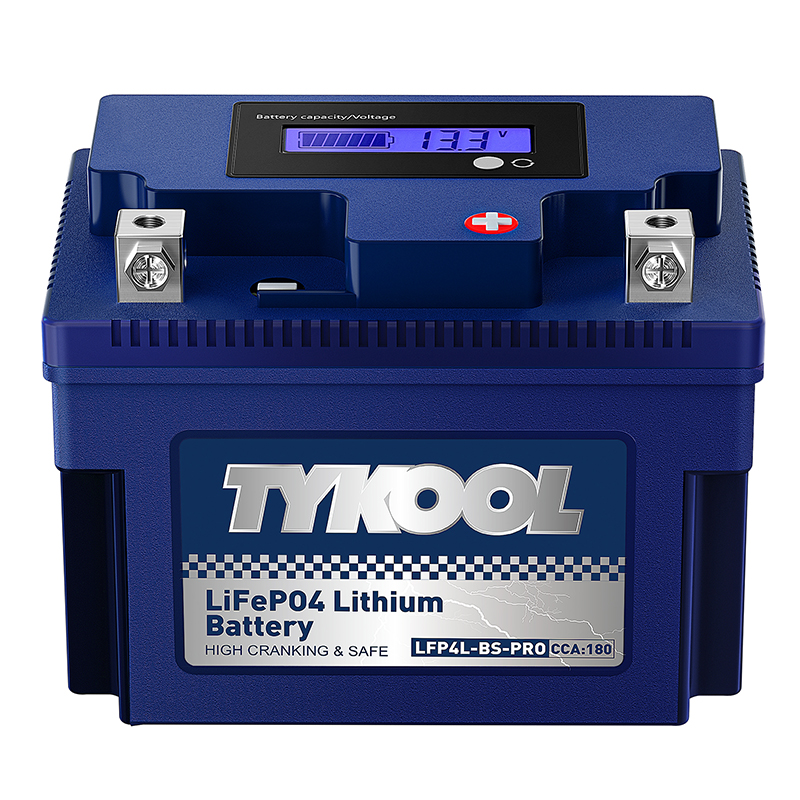
You might start with a battery rated for many charge cycles. After months of rough trails, that number shrinks. The battery still works, but it delivers less power. A battery like the YTX4L-BS LiFePO4 Motorcycle Battery handles vibration well, yet even quality Lithium Batteries for Powersports will age faster under constant shaking. The cells cannot push current as efficiently. Your starter motor turns slower. Your lights dim faster. The battery needs a recharge sooner than before.
This decline happens slowly. You may not notice it ride to ride. Over a season, the difference becomes clear. A battery that once started your engine on the first push now needs two or three tries. That is capacity loss in action.
Your battery sends signals before it fails. Slow cranking is the first clue. The engine turns over with less energy. Run time gets shorter. You ride for an hour and the battery drains faster than it used to. Voltage drops appear too. A healthy battery holds steady voltage under load. A worn battery sags when you hit the starter button.
Physical signs matter just as much. Check the case for swelling. Look for loose terminals or mounting bolts. A swollen case means internal pressure has built up. Loose connectors mean resistance has climbed. Both problems need attention right away.
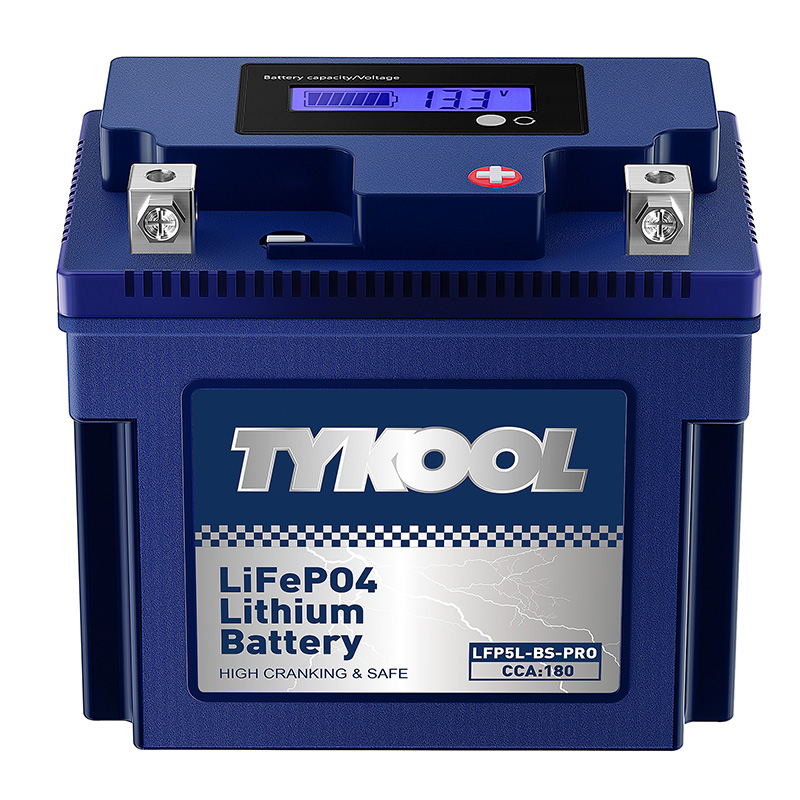
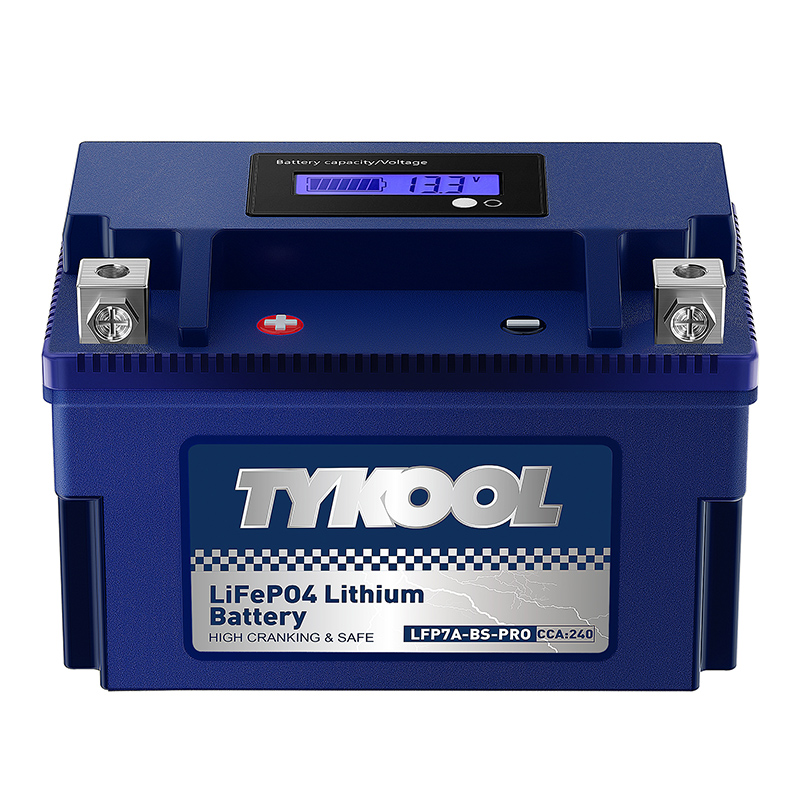
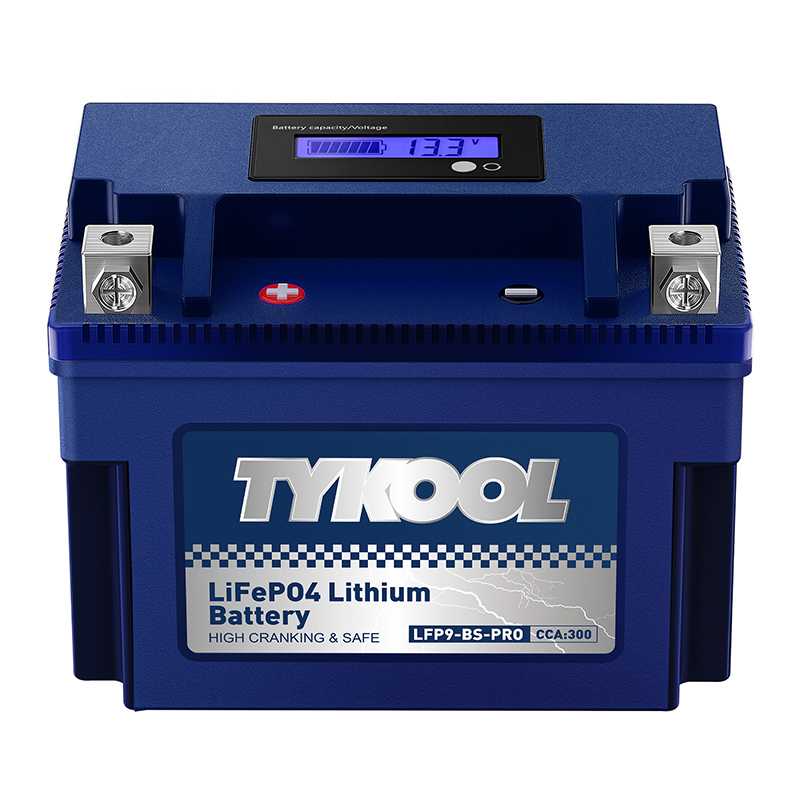
TYKOOL batteries include an integrated digital display. This screen shows capacity, voltage, and charging voltage in real time. You can spot a voltage drop before it leaves you stranded. You can see capacity fade as it happens. That early warning helps you plan a replacement or service before a breakdown ruins your ride. Keep an eye on these signs. Your battery will tell you when it needs help.
Start with the right battery. Choose a model built to handle vibration. Lithium Batteries for Powersports designed for off-road use, resist shock better than standard units. Check the specs before you buy. A battery rated for high-vibration environments will last longer on rough trails.
Mount the battery tight. A loose battery slides and bounces with every bump. That movement damages cells and connectors. Use the correct brackets and bolts for your vehicle. Tighten them to the manufacturer's torque spec. Check them often. Vibration loosens hardware over time.
Pick a smart location. Keep the battery away from high-shock zones. Areas near the rear suspension or frame rails take the hardest hits. Mount the battery closer to the vehicle's center when possible. This placement reduces the force it feels on rough ground.
Add a cushion between the battery and its mount. Foam padding absorbs small vibrations. Rubber pads work well too. They grip the case and stop it from sliding. Cut the padding to fit the base and sides. Do not block vents or the display.
Vibration dampeners offer another layer of protection. These rubber mounts sit between the battery tray and the frame. They soak up jolts before the energy reaches the battery. You can buy them at most powersports shops. Install them at every mounting point for the best result.
Weight makes a difference here. TYKOOL batteries weigh about 30% of lead-acid units. That lighter build puts less stress on mounts and brackets. It also makes custom mounting easier. You can add padding and dampeners without adding much total weight. A secure, cushioned mount protects your investment on every ride.
A quick check after every bumpy ride pays off. You catch small problems before they grow. Start with the case. Look at corners for cracks, swelling, or stress marks. Run your hand along the edges. Feel for anything odd. Next, check the terminals. Gently wiggle each connector. A loose terminal means resistance has gone up. Tighten it right away. Last, inspect the mounting hardware. Bolts loosen on rough ground over time. A battery that slides around gets more damage from every bump.
These checks take just a few minutes. They keep you from breaking down on the trail. Make them a habit after every off-road trip. Your battery will reward you with a longer life.
Good storage and charging habits keep your battery safe between rides. When you park for a long time, use an external charger.
The cold is hard on every battery. TYKOOL batteries give better discharge performance than lead-acid when it's cold. You get reliable starts on frosty mornings. Store the battery in a dry, moderate place when possible. Avoid extreme temperatures for long periods.
Good habits cost almost nothing. They give big results. A few minutes of care each week adds months to battery life. Stay consistent, and your battery stays strong.
Vibration and rough terrain are real risks, but you can handle them. Internal stress, case damage, and loose connectors can cause early failure. Good mounting and padding lower the risk. Regular checks catch small issues early. These habits help your Lithium Batteries for Powersports last longer and keep you riding. Ride smart and check your battery often.