




SHOPPING CART(0)
Your cart is empty.
shop now
Your cart is empty.
shop now
You want to store energy without hurting the Earth. Lithium iron phosphate batteries use safe and steady materials. They do not use harmful metals. Their chemistry helps them last a long time. This means less waste is made. If you pick Lithium Batteries for Powersports, you help the planet. You also help make the future cleaner.
Picking lithium iron phosphate (LFP) batteries is good for the environment. They use safe and easy-to-find materials. This helps lower pollution. LFP batteries work for a long time. They also stay cool better. This means we do not need to replace them often. So, there is less trash in landfills. It is easier and safer to recycle LFP batteries. This stops bad chemicals from getting into soil and water.
You might ask why LFP batteries are different. LFP batteries use lithium, iron, and phosphate. These materials make a strong chemical bond. The cathode has lithium iron phosphate. The anode is made from carbon. This mix helps the battery stay cool and last longer.
Note: LFP batteries do not use rare or toxic metals. You help the planet by picking batteries with safe and common materials.
The crystal shape in LFP batteries keeps lithium ions safe. This design lowers the chance of fire or explosion. You get a battery that works well in many places.
There are many kinds of lithium-ion batteries. LFP batteries are special for a few reasons:
Materials: LFP batteries use iron and phosphate. Other lithium-ion batteries use nickel, manganese, or cobalt.
Safety: LFP batteries have better thermal stability. They almost never get too hot.
Lifespan: LFP batteries last longer. You can charge and use them many times before they stop working.
Environmental impact: LFP batteries do not use toxic metals. You help cut pollution and support fair sourcing.
If you pick LFP batteries, you choose a safer and cleaner way to store energy.
You want batteries made with safe stuff. LFP batteries use lithium, iron, and phosphate. These elements are easy to find in the ground. You do not have to worry about toxic metals like lead or mercury. If you recycle LFP batteries the right way, they do not hurt soil or water.
Tip: Picking batteries with common materials helps save resources. Using LFP batteries means you help keep the environment clean.
Here is a simple table to compare battery materials:
|
Battery Type |
Main Materials |
Toxicity |
Abundance |
|---|---|---|---|
|
LFP |
Lithium, Iron, Phosphate |
Low |
High |
|
NMC |
Nickel, Manganese, Cobalt |
Medium |
Medium |
|
Lead-acid |
Lead, Acid |
High |
Medium |
You skip ethical problems when you choose LFP batteries. Many other lithium-ion batteries need cobalt. Mining cobalt can pollute and is not always safe for workers. LFP batteries do not need cobalt. You help stop child labor and unsafe mining.
Note: When you pick LFP batteries, you support fair mining and better jobs for workers.
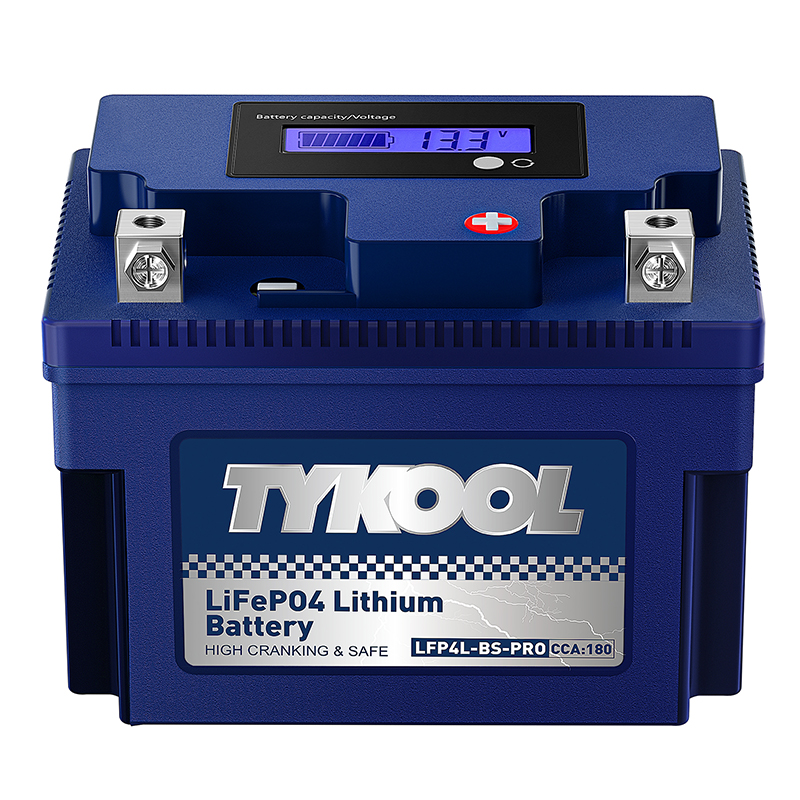
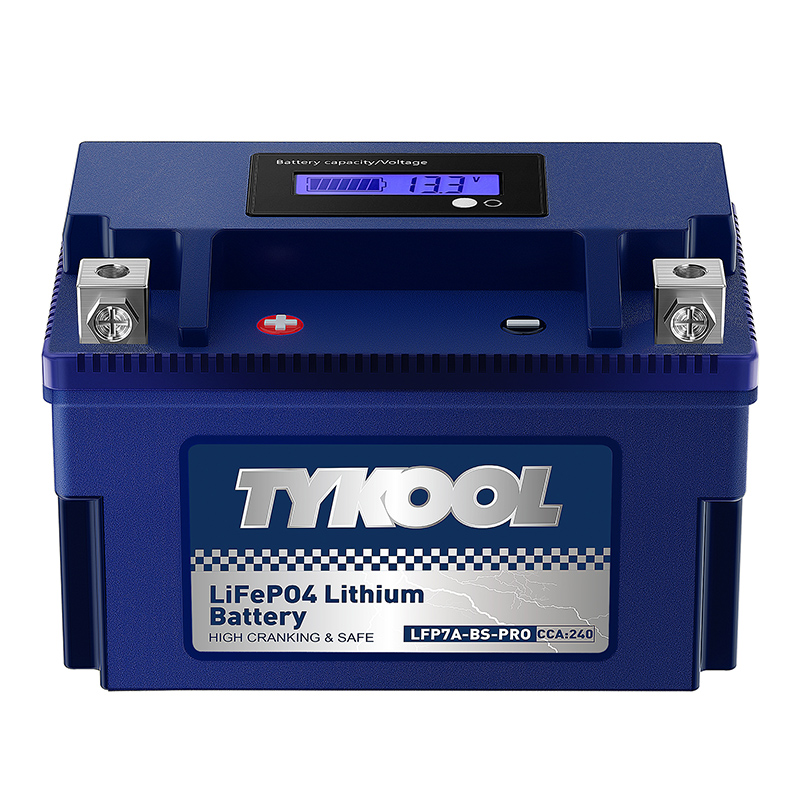
The TYKOOL YTZ5S LFP Battery uses only safe and fair materials. You make a good choice for the planet and for people.
You help cut down carbon emissions by using LFP batteries. Making LFP batteries creates less CO₂ than making other batteries. Iron and phosphate are easier to mine and use less energy. You lower your carbon footprint when you pick LFP batteries.
LFP batteries can make up to 30% less CO₂ than NMC batteries.
You help keep the air clean and the planet healthy.
Alert: Less CO₂ means less harm to the climate. Every battery you pick makes a difference.
You get a battery that lasts longer and stays safe. LFP batteries do not overheat easily. You do not have to worry about fires or explosions. The chemistry lets you charge and use the battery many times.
LFP batteries can last for more than 2,000 charges.
You make less trash because you do not replace batteries often.
Callout: Long-lasting batteries help keep trash out of landfills. You help the planet every time you use your battery.
You see real environmental benefits when you pick LFP batteries. You save resources, support fair work, lower emissions, and make less waste.
You can recycle lithium iron phosphate batteries more easily. Many other battery types are harder to recycle. The materials inside—lithium, iron, and phosphate—do not make toxic waste when recycled. The steps are simple:
You gather used batteries.
You send them to a recycling center.
Workers take the batteries apart.
Machines sort the metals and chemicals.
Factories use the safe materials in new batteries.
Tip: Recycling your LFP batteries saves resources and energy. It uses less energy than getting new materials from the earth.
You do not need special tools to handle LFP batteries. The recycling process makes less pollution. It helps keep the environment safe.
You help the planet when you use LFP batteries. When these batteries are used up, they do not leak harmful chemicals. There is no risk of soil or water pollution. The safe materials break down without hurting anything.
You make less landfill waste.
You lower the chance of toxic spills.
You help make recycling cleaner.
Note: Recycling LFP batteries closes the loop. Old batteries can become new products.
You protect the environment when you pick and recycle LFP batteries. You show others how to help and support a greener future.
You might ask how lithium iron phosphate batteries are different from NMC batteries. NMC means nickel manganese cobalt. These batteries use metals that are not as easy to find. Some of these metals can be bad for people and nature. If you pick LFP, you do not use cobalt or nickel. This helps stop pollution from mining and making batteries. LFP batteries use iron and phosphate. These are safer for the earth.
|
Feature |
LFP Batteries |
NMC Batteries |
|---|---|---|
|
Main Materials |
Lithium, Iron, Phosphate |
Nickel, Manganese, Cobalt |
|
Toxicity |
Low |
Medium to High |
|
Recyclability |
Easy |
More Complex |
|
CO₂ Emissions |
Lower |
Higher |
Tip: Using Lithium Batteries for Powersports helps lower your carbon footprint. You also help make mining safer and cleaner.
Old lithium-ion batteries often have cobalt and nickel. These metals can hurt the earth and make workers sick. LFP batteries do not have these problems. They are safer to recycle and do not harm nature as much.
LFP batteries last longer, so you do not replace them often.
You make less trash and help keep landfills clean.
Lithium Batteries for Powersports with LFP chemistry are better for the planet.
Note: Picking LFP batteries helps make the future greener. You help save natural resources and cut down on pollution.
You can find lithium iron phosphate batteries in many places now. People use them at home to store solar energy. Car companies pick them for electric cars because they last long. These batteries are also used in backup power for hospitals and data centers. Power companies use LFP batteries to keep wind and solar energy. This helps cut down pollution and keeps the air cleaner.
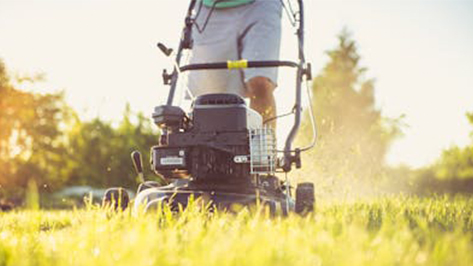
You also see LFP batteries in tools and machines. For example, you can use one as a Lawn Mower Battery. This helps you mow the lawn without making harmful fumes. You help nature when you pick a battery that lasts longer and makes less trash.
Tip: If you choose LFP batteries, you help make the planet cleaner and jobs safer.
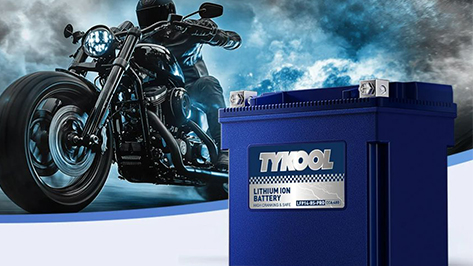
You want your motorcycle, ATV, or jet ski to have good power. Lithium Batteries for Powersports give you strong power and are better for the earth. These batteries use safe stuff and do not leak bad chemicals. You can ride for a long time and do not need to charge often. This means you make less trash and save resources.
Many people who like powersports now use Lithium Batteries for Powersports. They work well even when things get tough. You get great power and help nature too. You also help lower carbon by picking a battery that lasts for years.
Alert: Every time you use Lithium Batteries for Powersports, you make a smart choice for your ride and the earth.
Not everyone uses lithium iron phosphate batteries yet. Some people do not know their benefits. Others think they are too big or heavy. LFP batteries can weigh more than other lithium-ion batteries. This makes them less common in small things like phones or laptops. In some places, there are not many charging stations for LFP batteries. Companies need to build more spots to charge these batteries. Some businesses have used other batteries for a long time. They may not want to switch right now.
Tip: You can learn about LFP batteries and tell your friends. Sharing what you know helps more people understand.
You might wonder how making LFP batteries affects nature. The process uses less toxic stuff, but it still needs energy and materials. Factories must follow rules to keep pollution low. Some places do not have these rules, so check where your battery is made. LFP batteries use iron and phosphate, which are easy to get. Mining these still changes the land. You help the earth by recycling old batteries. Pick products from companies that care about the planet.
You do good for the planet when you pick lithium iron phosphate batteries. These batteries use safe stuff. They last a long time. They make less pollution. Ask for LFP batteries in your things. Always recycle batteries when they are used up. Remember the environment each time you choose a battery.