




SHOPPING CART(0)
Your cart is empty.
shop now
Your cart is empty.
shop now
You will notice big changes when you look at a lithium motorcycle battery and a lead-acid motorcycle battery. Lithium batteries are lighter, give more power, and last much longer. These things are important for riding your motorcycle. Lighter batteries make your motorcycle easier to control, stop, and speed up. Look at the table below:
|
Battery Type |
Average Weight |
Power Output |
Lifespan |
|---|---|---|---|
|
Lithium |
Up to 70% lighter than AGM/lead-acid |
Higher cold cranking amps (CCA) |
2000+ cycles |
|
Lead-Acid |
Heavier and bulkier |
Lower cold cranking amps (CCA) |
300–500 cycles |
With lithium motorcycle batteries like TYKOOL, you do not need to do as much maintenance. They charge faster and last for more years.
Lithium motorcycle batteries weigh much less than lead-acid batteries. This makes the motorcycle easier to handle and ride better. Lithium batteries also last a lot longer. They can work for 8 to 15 years. Lead-acid batteries only last 3 to 5 years. This helps you save money in the long run. Lithium batteries do not need much care. You can ride more and check your battery less often.
When you look at lithium and lead-acid batteries, you see a big weight difference. Lithium batteries are made with special materials, so they are much lighter. Lead-acid batteries can weigh from 12 to 25 pounds. Lithium batteries usually weigh between 5 and 12 pounds. Some lithium batteries, like TYKOOL, can be as light as 2.5 pounds. This means your motorcycle can lose a lot of weight.
|
Battery Type |
Weight Range |
|---|---|
|
Lead-Acid |
12 to 25 lbs (5.4 to 11.3 kg) |
|
Lithium |
5 to 12 lbs (2.3 to 5.4 kg) |
You can see that lithium batteries do not weigh as much as lead-acid ones. Because they are lighter, it is easier to pick them up and put them in your motorcycle.
The battery’s weight changes how your motorcycle works and feels. If you use a lithium battery, your motorcycle will weigh less. This helps you go faster and stop quicker. Turning and steering your motorcycle also gets easier. Many riders pick lithium batteries for better control and performance. A lighter battery can make your ride smoother and more fun. It is also easier to take care of and move. If you want your motorcycle to be lighter, lithium batteries are a good choice.
Tip: If you want your motorcycle to be faster and easier to handle, try using a lithium battery.
When you start your motorcycle, you need strong power fast. Cold cranking amps, or CCA, show how much power a battery gives in cold weather. If you ride when it is cold, you want high CCA for easy starts. Lithium batteries, like TYKOOL, give better starting power. They can give two to three times more cranking power than lead-acid batteries. This means your motorcycle starts fast, even on cold days. You do not have to worry about slow starts. Lithium batteries work better in the cold than older batteries.
Note: A lithium battery for motorcycle gives a strong burst of energy, so your engine starts quickly and smoothly.
Here is a quick look at how batteries compare in starting power and how long they last:
|
Battery Type |
Average Lifespan |
|---|---|
|
Lead-Acid |
2-3 years |
|
AGM |
3-5 years |
|
Lithium-Ion |
5-8 years |
You can see that lithium batteries last longer and keep their power for more years. This makes them a good choice for riders who want less trouble and better performance.
You want your motorcycle to start every time you press the button. Consistency and reliability are important, especially if you ride a lot or in hard weather. Lithium batteries give steady voltage, even when almost empty. This means your motorcycle gets strong power from the first start to the last.
Let’s look at voltage stability:
|
Battery Type |
Voltage Stability |
Advantage |
|---|---|---|
|
Lithium (LiFePO₄) |
Stays at 12.8–13.6V |
Reliable starting power |
|
Traditional Lead-Acid |
Drops fast under load |
Less reliable under heavy use |
Lithium batteries keep voltage steady better than lead-acid batteries.
They give the same power until almost empty.
They work better in cold weather.
You get better reliability with lithium batteries. They do not lose power fast when you use them a lot. This means you can trust your battery, even in cold or hot weather. The special technology in lithium batteries, like the Battery Management System (BMS) in TYKOOL, helps protect your battery and makes it last longer.
If you want a battery that gives strong, steady power and lasts for years, lithium is the best choice. Many riders pick the YTX4L-BS LiFePO4 Motorcycle Battery for its good starting power and long life. You can enjoy your rides without worrying about your battery.
When you pick a motorcycle battery, you want it to last long. How long it lasts changes how often you buy new ones. It also changes how much money you spend. Lithium batteries last longer than lead-acid batteries. You can see this in the table below:
|
Battery Type |
Average Lifespan (Years) |
Charge Cycles |
|---|---|---|
|
Lithium |
8–15 |
2,000+ |
|
Lead-Acid |
3–5 |
300–500 |
A lithium motorcycle battery can work for up to 15 years. It can handle over 2,000 charge cycles. Lead-acid batteries last only 3 to 5 years. They can be charged fewer times. This means you will need to buy lead-acid batteries more often. If you want a battery that lasts longer, lithium is a better choice.
Tip: A lithium battery gives you more years of good use and less worry about it failing.
Taking care of your battery helps it work well. Lead-acid batteries need you to check them often. You have to add water, clean the ends, and look for rust. If you forget, the battery can lose power or stop working. Lithium batteries need less care and are easier to use. You do not need to add water or clean the ends. You can put in a lithium battery and ride without extra work.
Here is a quick look at what each battery needs:
|
Battery Type |
Maintenance Requirements |
|---|---|
|
Lithium Motorcycle |
Truly 'set it and forget it'; no routine maintenance needed. |
|
Lead-Acid Motorcycle |
Frequent maintenance needed; refilling electrolyte and cleaning corrosion is necessary. |
Lithium batteries save you time and effort. You do not have to worry about spills or checking them all the time. This makes lithium a smart choice for riders who want less work and more fun.
Doing regular checks can help your battery last longer.
Try not to let your battery get too empty.
Using things like heated grips can drain any battery faster.
How much you pay matters when you buy a new battery. Lead-acid batteries cost less at first, but you will need to buy them more often. Lithium batteries cost more at the start, but they last longer and need less care. This saves you money over time. You also do not need to buy special tools or fluids for lithium batteries.
|
Battery Type |
Cycle Life (50% DoD) |
Estimated Service Life |
|---|---|---|
|
Lead-Acid |
1000+ cycles |
~6 years |
|
Lithium |
2000+ cycles |
15-18 years |
Lithium batteries give you more life and are more reliable. You spend less money because you buy fewer batteries and do less work. You also get a lighter battery and better performance. If you want to save money and have less trouble, lithium is the best upgrade for your motorcycle.
Note: Buying a lithium battery means you spend less time and money on new batteries and care, and more time riding your motorcycle.
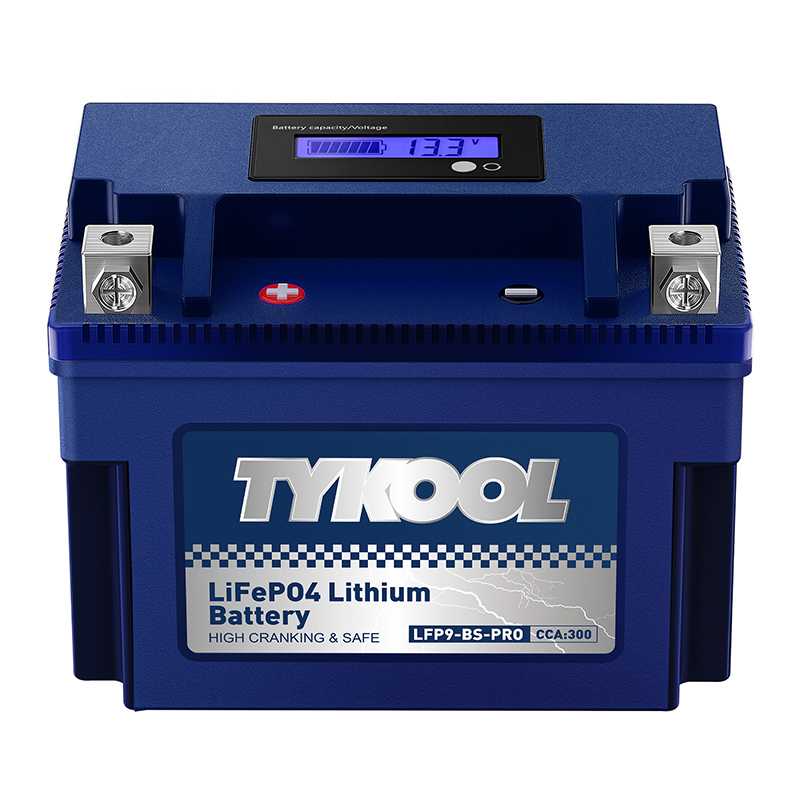
If you want the best battery for your motorcycle, it helps to compare them. You can look at the main features next to each other. The TYKOOL lithium motorcycle battery uses special LiFePO4 chemistry. This makes the battery lighter, gives more power, and lasts longer than a lead-acid battery.
Here is a full comparison of TYKOOL lithium and regular lead-acid motorcycle batteries:
|
Feature |
TYKOOL Lithium (LiFePO4) |
Lead-Acid |
|---|---|---|
|
Weight |
4–8 lbs |
15–30 lbs |
|
Cold Cranking Amps |
300–600A |
100–200A |
|
Lifespan |
8–10 years |
2–3 years |
|
Maintenance |
None |
Regular checks |
|
Charging Speed |
1 hour (fast charging) |
8–12 hours |
|
Self-Discharge |
<3% per month |
10–15% per month |
|
Cost |
$150–$400 |
$50–$150 |
|
Safety Features |
Built-in BMS, cell equalization |
Basic venting |
Lithium batteries are much lighter than lead-acid ones. They give more cold cranking amps, so your motorcycle starts easily, even when it is cold. TYKOOL lithium batteries last longer and do not need any maintenance. You can charge them much faster than lead-acid batteries. The Battery Management System (BMS) in TYKOOL batteries helps keep you safe and makes the battery last longer.
Tip: If you want a battery that is light, strong, and lasts many years, a lithium motorcycle battery is a smart pick.
This side-by-side comparison shows why many riders pick lithium batteries for their motorcycles.
If you pick a lithium motorcycle battery, you should know about charging and fit. Lithium batteries need different charging voltages than lead-acid batteries. Check the table below to see how they are not the same:
|
Battery Type |
Charging Voltage Requirements |
Float Voltage Requirements |
|---|---|---|
|
Lead-Acid |
14.4–14.8V (absorption) |
13.2–13.8V |
|
Lithium |
14.4–14.6V (absorption) |
13.6V or lower |
TYKOOL batteries have a Battery Management System. This system stops your battery from getting too much charge. It keeps your battery safe. You get good performance and your battery lasts longer.
Weather can change how your motorcycle battery works. Cold weather makes both lithium and lead-acid batteries lose power. When it is very cold, lithium batteries can lose half their power. The inside liquid gets thick, and the battery feels weak. Lead-acid batteries also have trouble in the cold, but lithium batteries get better faster when they warm up.
TYKOOL lithium batteries use special technology to keep working well, even when it is cold. The Battery Management System helps the battery work from -20°C to 60°C. You get strong starting power, even on cold mornings. Fast charging means you do not wait long for your battery to be ready.
Tip: If you ride in cold or hot weather, pick a battery with a good management system for the best results.
If you ride your motorcycle every day, you need a battery that works well. Lithium batteries are good for daily riders. They help your motorcycle start easily, even when it is cold outside. You do not have to worry about slow charging or heavy batteries. The table below shows how lithium and lead-acid batteries are different for daily use:
|
Factor |
Lithium Battery Benefits |
Lead-Acid Battery Drawbacks |
|---|---|---|
|
Capacity (Amp-Hour, Ah) |
Longer cranking ability and support for accessories |
Limited capacity for high-demand accessories |
|
Cold Cranking Amps (CCA) |
Reliable starts in cold conditions |
May struggle in low temperatures |
|
Weight and Size |
50-70% lighter, improving handling and fuel efficiency |
Heavier, affecting handling |
|
Charging Rate and Efficiency |
Faster charging and more efficient |
Slower charging, less efficient |
|
Longevity |
Lasts 3-5 times longer, reducing replacement frequency |
Shorter lifespan (2-3 years) |
|
Maintenance |
Nearly zero maintenance required |
Requires regular maintenance |
|
Total Cost of Ownership |
Lower long-term costs due to durability |
Higher replacement frequency increases costs |
|
Usage Patterns |
Ideal for daily commuters with solid capacity |
May not meet the needs of frequent riders |
Pick a battery that fits your motorcycle’s needs. Lithium motorcycle batteries are smart for daily riders. They save you time and money as the years go by.
If you ride your motorcycle only sometimes, you want a battery that stays ready. Lithium batteries lose very little charge each month. They lose only 1–2% of their charge every month. This means your motorcycle will start even after sitting for weeks. Lead-acid batteries lose charge faster and may need a jump-start if not used. Many riders see that after six weeks, a lithium battery can start the motorcycle right away. Lead-acid batteries often need a slow charge. You can trust lithium motorcycle batteries to stay ready for you.
Lithium batteries keep their charge longer.
Lead-acid batteries may need extra care after long breaks.
If you want your motorcycle to be fast and easy to handle, you need a battery that is light and strong. Lithium batteries weigh less than 10 pounds. Lead-acid batteries can weigh up to 30 pounds. This lighter weight helps your motorcycle turn better and speed up faster. The table below shows the difference:
|
Feature |
Lead-Acid Battery |
Lithium Battery |
|---|---|---|
|
Weight |
25-30 pounds |
Less than 10 pounds |
|
Impact on Handling |
Heavier |
Lighter, enhances handling |
|
Acceleration Improvement |
Slower |
Faster due to reduced weight |
|
Fuel Efficiency |
Lower |
Higher due to lighter weight |
Lithium batteries also give more cranking amps. This means your motorcycle starts strong every time. They last longer and can be used more times. This makes them great for anyone who wants a better motorcycle battery.
Tip: For the best mix of power and light weight, pick a lithium motorcycle battery.
You can easily spot the main differences between lithium and lead-acid batteries. Lithium batteries are much lighter than lead-acid ones. They also last for more years and charge up faster. The table below shows these important facts:
|
Parameter |
Lead-Acid |
Lithium |
|---|---|---|
|
Weight |
Approx. 26 lbs |
Approx. 11 lbs |
|
Lifespan |
300-500 cycles |
2000-5000 cycles |
|
Cost |
$50-$150 |
$200-$800 |
A lithium motorcycle battery gives you better value if you want strong performance and a battery that lasts longer. TYKOOL uses advanced lithium technology to help your motorcycle work well. Before you pick a battery, think about what is most important to you—weight, price, or power.