




SHOPPING CART(0)
Your cart is empty.
shop now
Your cart is empty.
shop now
You pull a heavy load with your winch, and your UTV suddenly loses all power. This happens when the motor draws a huge spike of starting current that passes the limit of your battery management system. The automatic shutdown is actually a built-in safety feature of Lithium Batteries, so it does not mean your battery is broken.
Heavy-duty UTV and ATV winches struggle against huge resistance when pulling vehicles through deep mud or up steep hills. Pressing the control switch sends full voltage into a standing motor that is not moving yet. This creates a locked-rotor situation where the motor acts like an open highway, drawing a huge surge of power right away.
Under heavy work, a normal UTV winch regularly uses 200A to 400A of continuous power. Even so, starting the motor causes a sudden power spike that shoots past 500A. This quick surge lasts for a fraction of a second while the motor builds magnetic strength and begins turning.
Old-fashioned lead-acid batteries handle these big power surges using simple chemistry instead of electronics. These older batteries do not have smart circuit boards to block dangerous currents. They manage heavy power spikes by letting their voltage drop for a short moment. You may see headlights dim or hear the engine struggle, but power keeps flowing through the spike.
Modern Lithium Batteries use smart digital systems that constantly watch electrical flow to protect internal parts. Although these advanced batteries provide much better energy storage and starting power, their safety circuits check every moment of use. The protective system shuts down right away if the winch pulls a massive surge over safe limits.
Standard power circuits rely on precise safety parameters inside digital control units to prevent severe internal board failure and overheating. A general-purpose battery circuit board constantly monitors electrical current flow using two primary electronic defense layers: Overcurrent Protection (OCP) and Short-Circuit Protection (SCP).
|
Protection Type |
Amperage Threshold |
Delay Duration |
Operational Purpose |
|---|---|---|---|
|
Overcurrent Protection (OCP) |
100A to 150A |
Several seconds |
Prevents sustained high-drain overheating |
|
Short-Circuit Protection (SCP) |
200A to 300A |
Several milliseconds |
Blocks catastrophic external electrical shorts |
Heavy-duty UTV and ATV winches create massive electrical loads that quickly exceed these default electronic safety boundaries. A heavy trail recovery scenario pulls a continuous working current between 200A and 400A during a prolonged pull in deep mud. Initial electric motor engagement produces an immediate peak surge exceeding 500A for several hundred milliseconds. Standard protective circuit boards evaluate this massive amperage spike within a few milliseconds. The incoming amperage magnitude and surge duration far exceed the standard SCP trigger ceiling of 200A to 300A as well as the lower OCP limit.
Solid-state electronic switches called Metal-Oxide-Semiconductor Field-Effect Transistors (MOSFETs) act as primary power gatekeepers inside modern Lithium Batteries. These digital switches control all outgoing electrical current between internal battery cells and your vehicle main electrical system. The integrated management processor constantly monitors real-time current output by measuring tiny voltage changes across internal shunt resistors.
When you press your winch control switch button, a massive initial inrush current surges through your entire vehicle electrical system. The rapid jump past 500A creates a sharp voltage increase across internal measurement shunts. The central monitoring microprocessor records this sudden spike within a tiny fraction of a second. Standard electronic logic modules cannot distinguish between a normal inductive winch startup surge and a dangerous direct physical short circuit across your battery terminal posts.
The safety system misinterprets this sudden high-power draw as a dangerous external short circuit. The control circuit board immediately sends a shutoff signal to the gate terminals of the power MOSFET switches. The electronic switches open instantly to sever the battery power output pathway. This rapid disconnect action cuts total vehicle electrical power to shield internal wiring lines and lithium cells from severe heat damage.
You experience this fast safety shutdown as an abrupt full-vehicle electrical blackout during a critical off-road recovery attempt. Your instrument dashboard darkens, your engine stalls, and your heavy recovery winch loses all operating power instantly. The protective circuit board locks its power output off until you clear the heavy electrical demand or reset the internal control system completely. Understanding these specific electronic protection rules helps you diagnose sudden vehicle power losses during difficult off-road winching scenarios.
Watching your UTV react during a tough pull helps you quickly spot an active safety trip. The circuit board misreads the starting surge as a short and locks its switches open. Your dashboard goes dark, the motor dies, and the winch loses power right away without warning.
Connecting a digital multimeter directly across the battery posts lets you easily confirm this tripped state. A working battery shows normal voltage, but a locked board shows no voltage at all. This temporary zero-volt reading proves the internal safety board cut off power to shield parts from harm.
You must check your winch power needs against the built-in limits of your battery protection system. Big winches pull 200A to 400A normally, while starting power shoots past 500A. A standard battery board caps short circuits at 200A to 300A and limits overcurrent to 150A.
Your vehicle shuts down whenever total accessory demand passes these preset electronic limits. Read your winch manual for peak draw, and check your battery specs for continuous and pulse limits. Comparing these numbers confirms if your standard battery safety limits fit your high-surge recovery gear before hitting trails.
You can avoid sudden power cutoffs by changing how you use your winch. Keep your engine running at medium to high speed while winching. Doing this forces your alternator to create as much electricity as possible. This extra power helps your battery, which lowers stress on the safety circuits.
You must also change your winching habits to control these big power spikes. Do not hold down the control button during long, heavy pulls. Instead, run the winch in short steps by pulling for 3 seconds and pausing for 2 seconds. This simple routine stops large current spikes and keeps your system from shutting down.
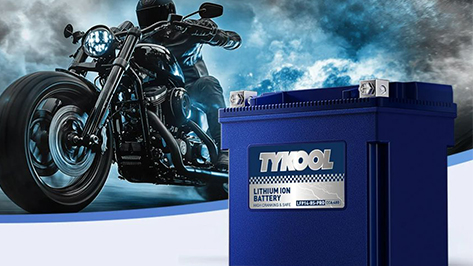
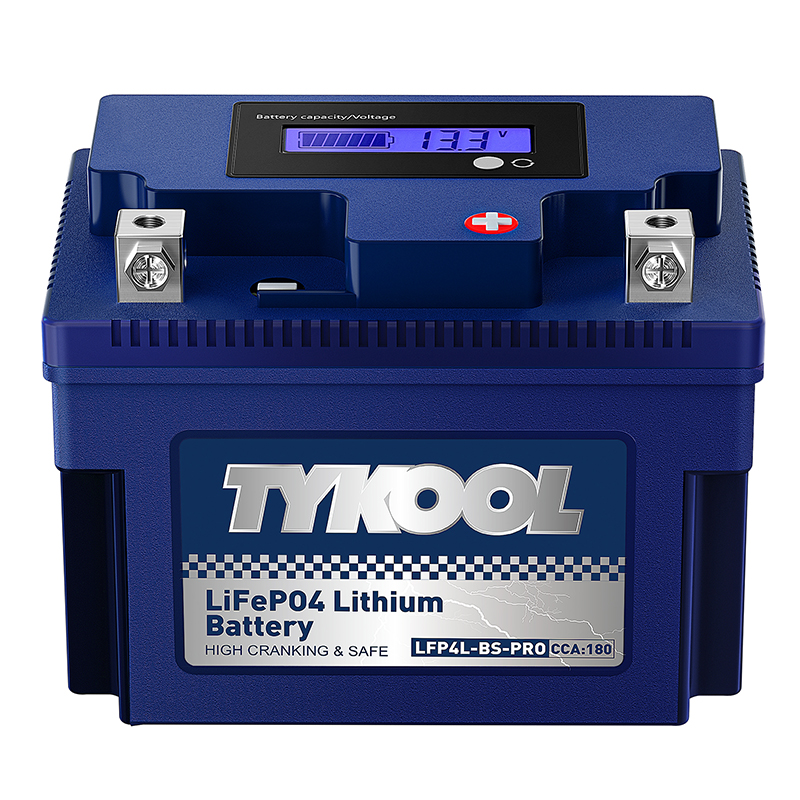
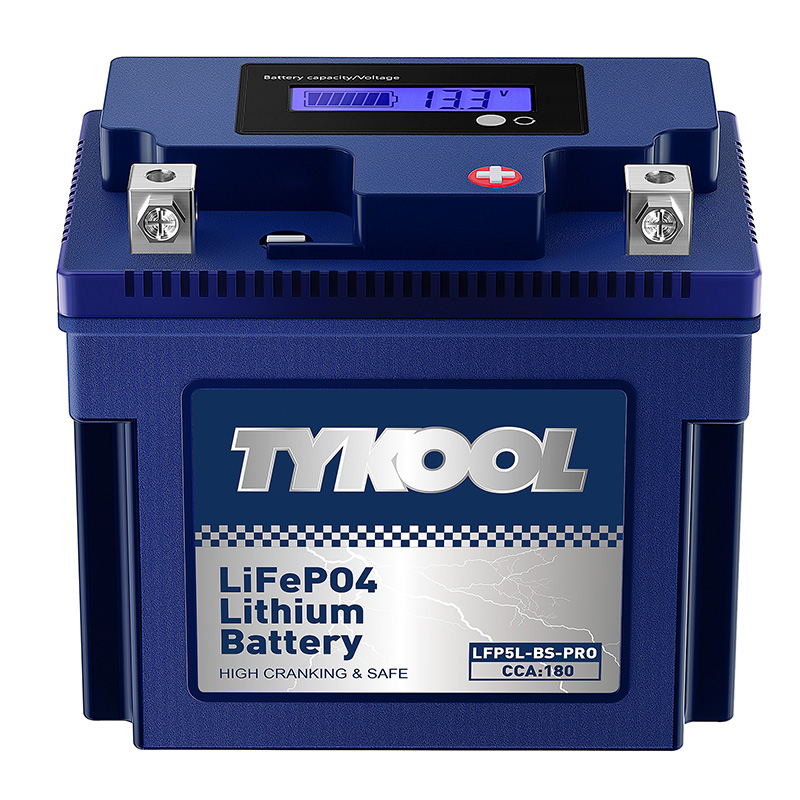
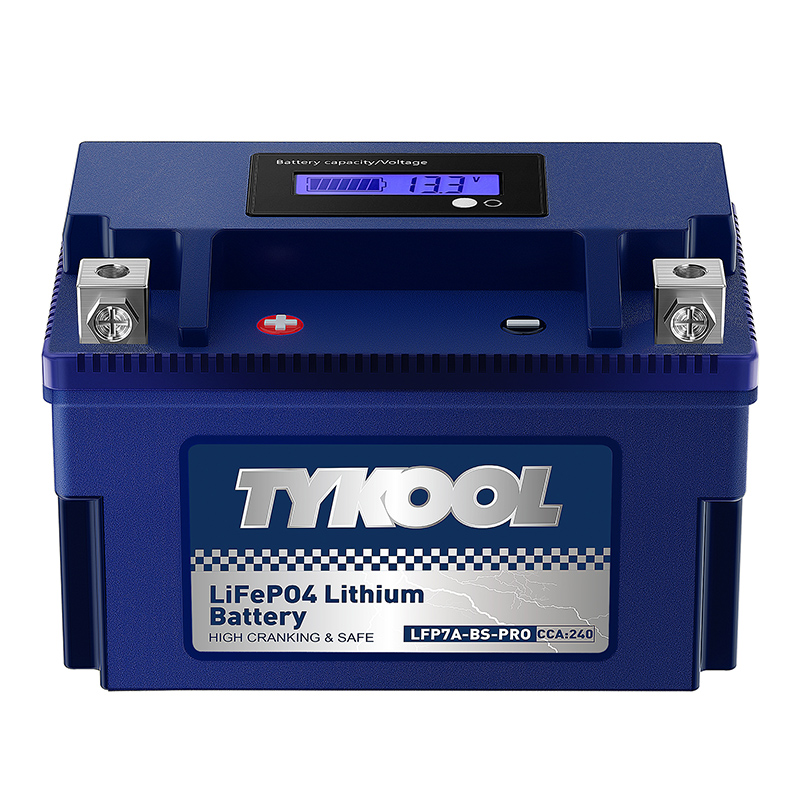
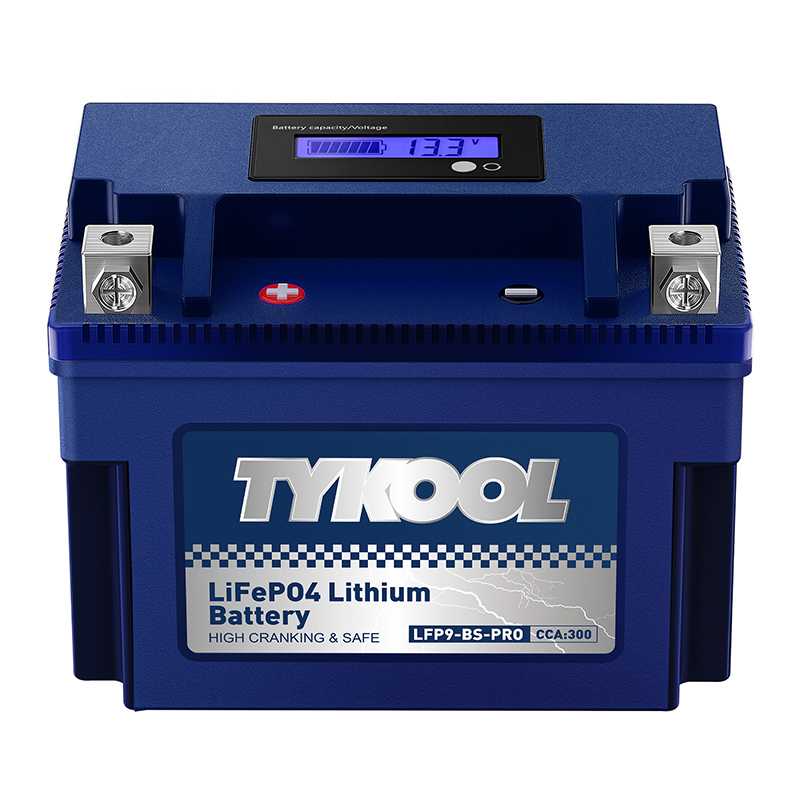
Upgrading your vehicle power system gives you a permanent fix for heavy winching needs. You can install a second accessory battery with a smart isolator to separate winch power from your main ignition. You can also pick modern Lithium Batteries made for heavy equipment. Choosing a special TYKOOL Lithium Iron Phosphate Battery with a PRO series BMS module provides higher surge limits and better power output. Getting a tough YTX14AH-BS LFP Battery or a small YTX7L-BS ATV Battery guarantees strong performance during hard work.
A total power loss from winch inrush current represents an operational mismatch between accessory demand and standard BMS limits rather than a manufacturing defect.
Checking your warranty rules helps you pick the right gear for tough trail rides. Normal battery warranties will not cover shutdowns caused by pushing past built-in safety limits. Installing a higher-capacity battery stops dangerous vehicle power losses for good.
A massive power surge from your winch sets off battery safety limits to protect delicate Lithium Batteries from burning out. You can stop sudden power loss during tough off-road pulls with a few simple tricks. Pick high-capacity TYKOOL LiFePO4 power units, rev your engine high, and press your controller in brief bursts. Getting the right battery size keeps your machine running strong on hard jobs.
Starting a heavy winch draws a massive surge of power over 500A. The battery safety system sees this big spike and turns off all power right away.
Keep your engine running fast while pulling. Also, run your winch in brief steps by pulling for 3 seconds and resting for 2 seconds to control big power surges.