




SHOPPING CART(0)
Your cart is empty.
shop now
Your cart is empty.
shop now
LFP lithium batteries lower carbon by lasting a long time and working efficiently, which means fewer replacements and less wasted energy. Their plentiful materials reduce harm to nature and skip toxic cobalt and nickel, cutting waste and making them safer for the planet. LFP, or lithium iron phosphate, is a cleaner kind of lithium-ion battery.
LFP batteries cut carbon the most by lasting a very long time. A good LFP battery gives 5,000 to 8,000 or more charge cycles. Lead-acid batteries usually last only a small part of that. This means an LFP battery lasts 5 to 10 times longer than a lead-acid one. Every replacement battery needs raw materials, factory work, and shipping. Each of these steps makes carbon emissions. When one LFP battery replaces five or ten lead-acid units, the carbon footprint drops a lot. The long cycle life of lithium iron phosphate means fewer batteries are made over time. This long cycle life also helps the wider environmental good of lithium batteries in the green shift. Fewer factory runs mean less industrial energy use and lower greenhouse gas output. For anyone tracking the carbon footprint of their power source, the math clearly favors LFP.
Round-trip efficiency measures how much energy a battery gives back compared to what goes in when charging. LFP batteries reach notably high round-trip efficiency. They lose less energy as heat while charging and discharging. This efficiency edge adds up over thousands of cycles. Waste heat means wasted electricity, and that electricity often comes from carbon-emitting sources. Higher efficiency means more of the power made does useful work. The environmental case for LFP gets stronger when you look at energy storage uses. Solar systems paired with LFP batteries capture and release more of the sunlight they collect. Less energy escapes as heat, so fewer extra power plants need to run. The YIX30L-BS Snowmobile Battery shows how these ideas work in real life. This lightweight LFP battery weighs about one-third of a similar lead-acid model. Less vehicle weight improves overall efficiency. A lighter motorcycle or ATV needs less energy to move. The battery also charges fully in as little as one hour with an external charger at a 1C rate. Faster charging cuts idle time and energy overhead. These combined factors make LFP a practical choice for cutting carbon in real-world vehicles. The sustainability gains spread across the whole product lifespan.
Iron and phosphate are among the most plentiful elements on Earth. They are cheap to extract and easy to find. This is very different from scarce cobalt and nickel, which come from only a handful of countries. An LFP battery uses iron and phosphate as its cathode material, so it avoids the concentrated mining typical of other lithium-ion batteries. All mining has some impact, but iron and phosphate mining usually causes less habitat loss and water pollution. Since these materials are found in many places, transportation emissions go down, which shrinks the carbon footprint even more. LFP still needs lithium extraction, but the overall environmental burden stays lower than battery types that rely on rare metals. Using abundant resources makes LFP a more sustainable choice from the very first step of production. This structural advantage helps explain why LFP is becoming popular in energy storage and powersports. When people weigh sustainability challenges and lithium battery alternatives, LFP's material sourcing stands out as a very clear improvement.
Cobalt mining badly hurts the environment and creates serious ethical problems. In the Democratic Republic of Congo, common problems include deforestation, water pollution, and soil contamination. Child labor and unsafe conditions are reported, raising deep environmental and ethical concerns. Nickel mining also harms ecosystems, causing acid mine drainage and biodiversity loss. Since LFP batteries have no cobalt or nickel, they avoid these issues completely. Without these metals, there is no deforestation for their extraction and no toxic runoff from their processing. This addresses environmental concerns that affect other lithium batteries. While lithium extraction and lithium mining still have their own footprints, the overall impact of an LFP battery is much smaller. When cobalt and nickel are skipped, the environmental benefits are huge. Because LFP uses abundant iron and phosphate, this gives a cleaner option that reduces harm to communities and ecosystems. This makes LFP a leader among sustainable lithium battery options today.
The harm that lithium batteries cause to the environment depends on what they are made of. Batteries with cobalt create toxic waste when the materials are mined and made. LFP batteries are different. They use iron, phosphate, and lithium. These materials make much less toxic waste during production. Companies that make LFP cells create fewer dangerous chemicals than those that make cobalt cells. This difference helps the air and water near factories. LFP is cleaner from the start. Workers breathe in fewer harmful things when making LFP. People living near LFP plants face less danger from toxic runoff. The benefits do not stop at the factory. LFP batteries do not have the harmful heavy metals that make other lithium batteries hard to handle. This cleaner way of making them gives LFP a big advantage. Anyone thinking about which battery is better for the planet should remember this. The harm from lithium batteries depends a lot on the chemicals inside them. LFP is clearly a cleaner choice.
LFP batteries have no lead and no strong acid. That makes them safer to move and install. If you drop a lead-acid battery, sulfuric acid can spill onto skin or into the ground. That does not happen with an LFP battery. The cleaner design also helps at the end of the battery's life. Workers who handle old LFP batteries face fewer dangers. The environment is safer when fewer toxic materials go into trash. But used LFP batteries are still hazardous waste under most laws. They must be recycled the right way. The mining of lithium still has its own carbon footprint. LFP lowers harm but does not remove it completely. Every battery needs careful handling when it is done being used. LFP makes that handling easier and safer. LFP being cleaner does not mean it has zero impact. It means less impact than cobalt batteries. This point matters for people who care about the environment. LFP is a real step forward without saying it is perfect. The harm from lithium batteries goes down when LFP replaces cobalt-heavy ones. That change gives real benefits for the environment.
The simple chemistry of LFP batteries makes recycling work better and safer than other lithium batteries. Unlike traditional lithium-ion batteries, this chemistry uses iron and phosphate, which are easy to find. Recyclers get lithium and iron back using normal methods. Many lithium batteries depend on cobalt and nickel. Those metals need complex steps to separate them, which creates toxic waste and uses extra energy. LFP gets rid of that whole problem. Good recovery means we run low on key materials less often. It also cuts pollution from mining new ore. A lithium battery's lifecycle gets better when materials are reused instead of thrown away. We need to extract fewer resources. Less waste ends up in landfills. This circular approach makes sustainability stronger across many industries. Battery recycling gets cheaper and cleaner with this simpler chemistry. The process uses less energy and makes fewer dangerous byproducts. Many experts see LFP as a model for handling materials responsibly. Every LFP battery helps create a cleaner recycling stream.
One LFP battery gives 5,000 to 8,000 cycles of use. This long lifespan keeps these units out of the waste stream for years. Making fewer lithium batteries means less waste overall. When these batteries reach the end of their life, their non-toxic materials cause less danger to the environment. They have no lead, no corrosive acid, and no heavy metals. Soil and groundwater face lower risks of contamination. Proper recycling still matters for safety. But the threat level drops a lot. This waste reduction ties directly to the carbon footprint of energy storage. Fewer replacements mean lower emissions from production and transport. LFP technology shows how better chemistry and longer product life reduce harm. The sustainability advantages grow with every cycle. Longer product life directly lowers the number of batteries entering the waste stream. This reduces the environmental burden of battery disposal. This chemistry sets a new standard for safety in lithium-ion batteries.
Solar panels only make power when the sun is out. Homes and businesses need energy storage to use that power at night. LFP stands out as the safest lithium-ion chemistry for this job. Its thermal stability keeps cells cool when used heavily. That safety record matters for systems mounted on walls or in garages. LFP also gives a long cycle life, so a solar owner avoids replacing the bank for many years. These traits make LFP a top pick for energy storage systems of all sizes. Utilities depend on grid-scale lithium battery storage to balance supply and demand. LFP handles daily deep discharges without quick wear. That durability supports energy storage in renewable energy systems, where batteries charge and drain every day. The environmental case grows stronger here. Storing solar power cuts reliance on gas peaker plants. LFP makes that shift practical and affordable. The benefits of lithium batteries in the green transition show up clearly in these projects. Fewer replacements mean less mining, less shipping, and lower emissions over the system's life. For homeowners and grid planners alike, LFP offers a dependable path to cleaner power.
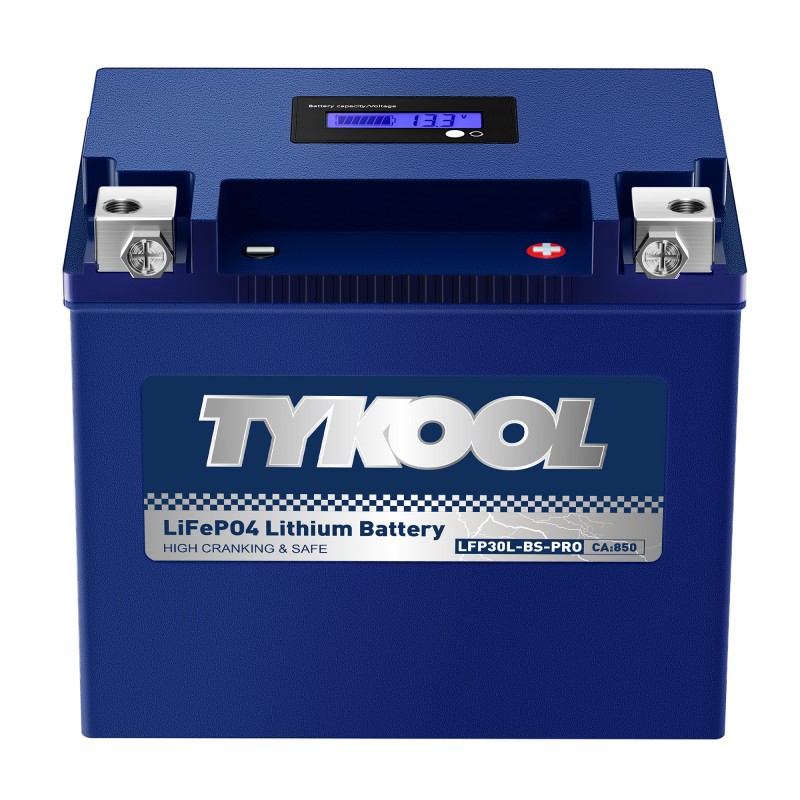
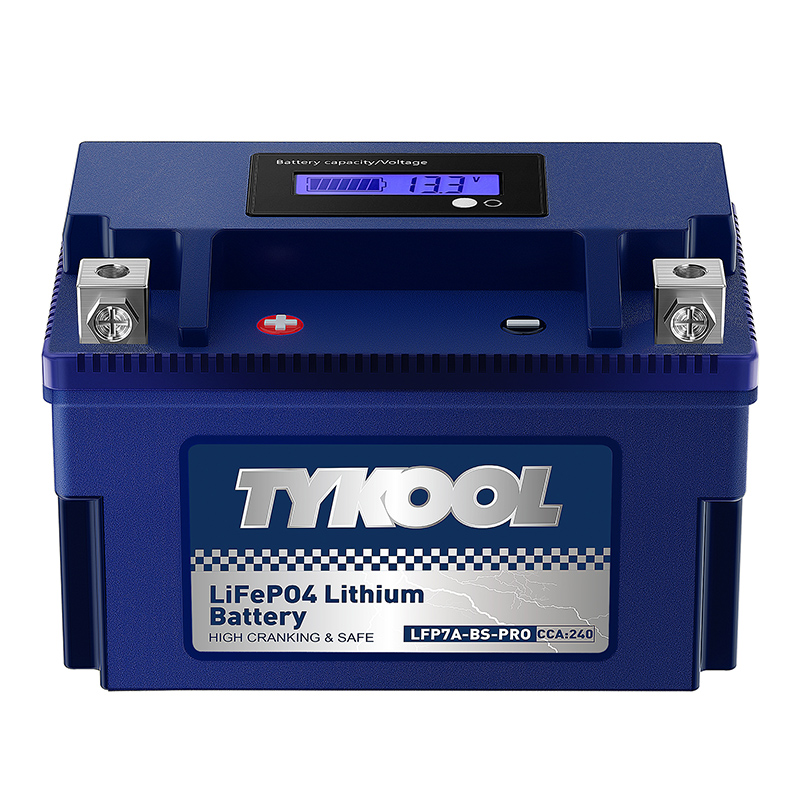
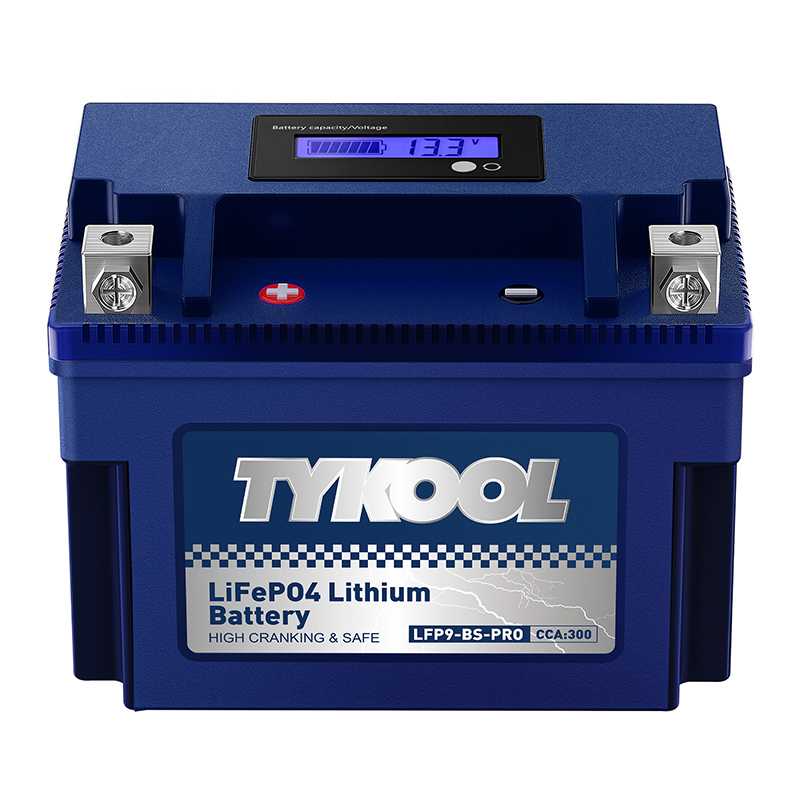
Powersports vehicles face tough conditions: cold mornings, rough trails, and long storage periods. LFP batteries handle these demands well. They start motorcycles, ATVs, and UTVs with strong cranking power. A lightweight LFP battery also trims vehicle weight, which improves efficiency. The TYKOOL YTX20L-BS-PRO shows this approach in practice. It weighs about one-third of a comparable lead-acid unit. Riders get reliable starts without the bulk. Snowmobile owners can look for a YIX30L-BS Snowmobile Battery built on the same chemistry. Motorcycle Lithium Batteries from LFP lines offer similar gains for street and dirt riders. Electric vehicles use LFP packs for the same reasons: safety, long life, and lower cost. Every LFP battery that replaces a lead-acid or cobalt-based unit lowers the carbon footprint of transport. This shift supports sustainability across the powersports world. It also keeps the environment cleaner by avoiding lead and acid. The move toward LFP in vehicles is one more sign that lithium batteries can power fun and function without high environmental costs.
LFP batteries cut carbon through long life, high efficiency, and abundant materials. They cut toxic waste by avoiding cobalt and nickel, recycling more easily, and using lower-toxicity materials. LFP is not zero-waste, but it clearly improves on cobalt-based lithium-ion batteries. This chemistry supports sustainability and lowers harm to the environment. LFP offers a cleaner path forward for lithium batteries.