




SHOPPING CART(0)
Your cart is empty.
shop now
Your cart is empty.
shop now
Lithium batteries have become a cornerstone of modern energy solutions, powering everything from electric vehicles and motorcycles to renewable energy storage systems. As global demand for cleaner, safer, and more efficient power continues to grow, the lithium battery industry is entering a new phase of innovation. So what does the future hold for lithium battery technology?
Safer Battery Chemistries Will Take Priority
Safety has always been a major concern in lithium battery development. Traditional lithium-ion batteries offer high energy density but can be prone to thermal runaway under extreme conditions. Looking ahead, safer chemistries such as LiFePO4 (Lithium Iron Phosphate) are expected to dominate more applications.
LiFePO4 batteries provide excellent thermal stability, longer cycle life, and improved resistance to overcharging. This makes them especially suitable for motorcycles, powersports vehicles, and outdoor equipment—categories where durability and reliability are essential. It’s no surprise that searches for options like Harley davidson lifepo4 battery for sale continue to rise as riders look for safer upgrades.
Longer Lifespan and Faster Charging
One of the key directions for future lithium batteries is extending usable lifespan while reducing charging time. Advanced electrode materials, optimized battery management systems (BMS), and improved cell structures are all contributing to batteries that can last thousands of cycles without significant capacity loss.
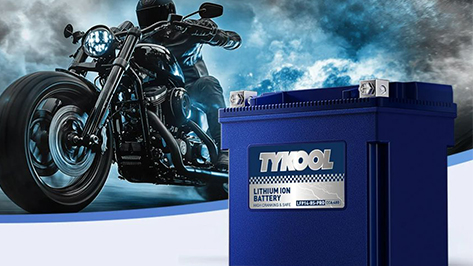
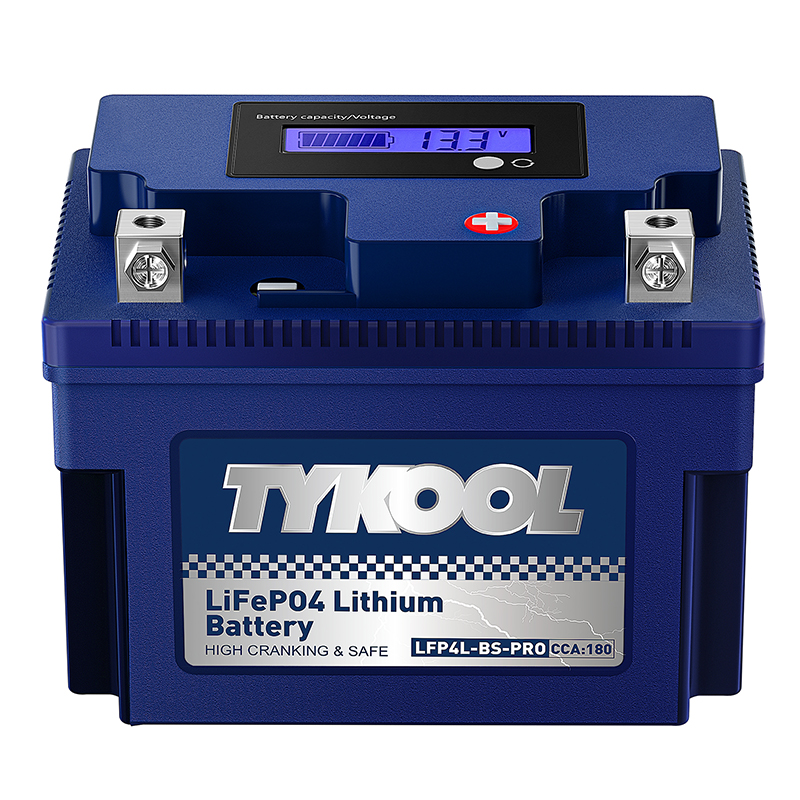
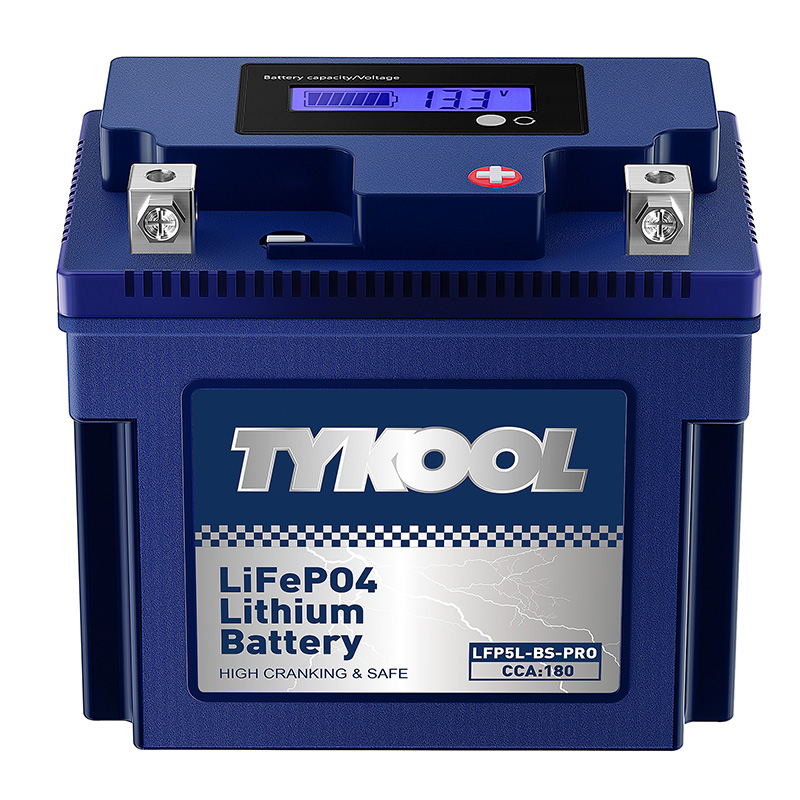
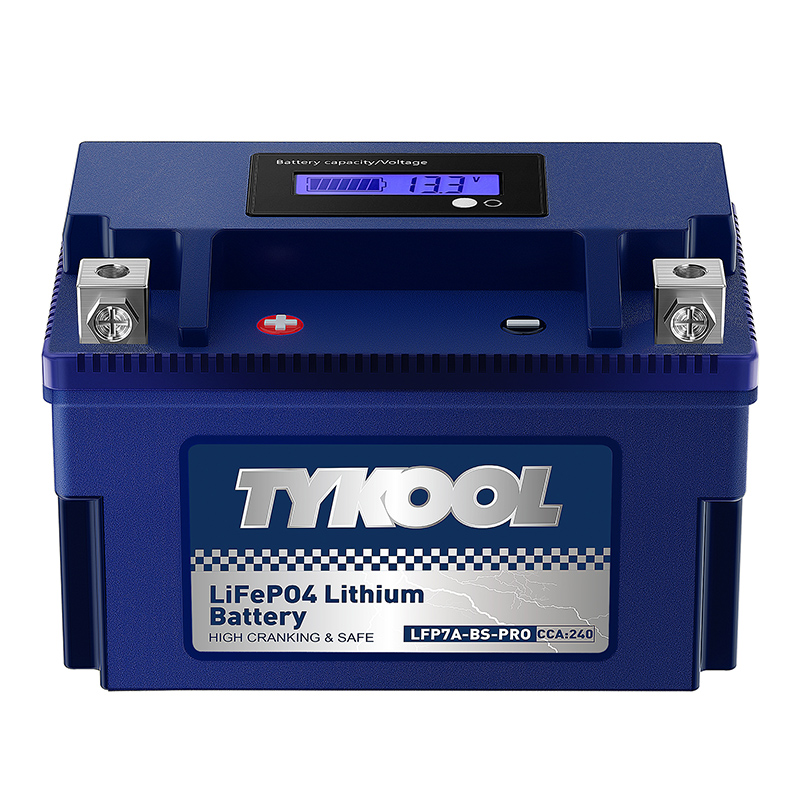
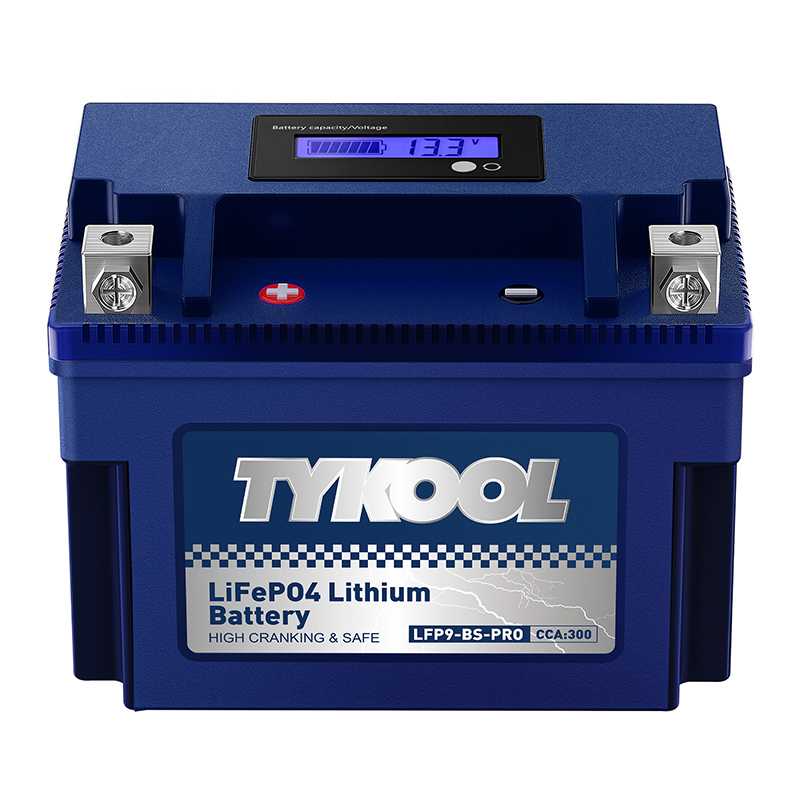
For end users, this means lower long-term costs and less frequent replacements. Brands investing in smart BMS technology, such as TYKOOL lithium battery, are helping set new standards by balancing fast charging with long-term battery health.
Lightweight and High-Performance Designs
Weight reduction remains a critical goal, particularly for motorcycles, electric bikes, and performance vehicles. Future lithium batteries will continue to deliver higher power output while becoming smaller and lighter.
This evolution directly benefits riders and professionals who demand better acceleration, easier handling, and improved energy efficiency. In the powersports market, lithium batteries are quickly replacing traditional lead-acid options thanks to these advantages.
Smarter Batteries with Built-In Intelligence
The future of lithium batteries isn’t just about chemistry—it’s also about intelligence. Smart batteries equipped with advanced BMS can monitor voltage, temperature, and current in real time, offering protection against short circuits, deep discharge, and extreme temperatures.
As connected vehicles and smart energy systems become more common, lithium batteries will increasingly integrate with digital monitoring tools, giving users greater control and insight into battery performance.
Sustainability and Environmental Responsibility
Environmental impact is shaping the next generation of lithium battery development. Manufacturers are focusing on cleaner production processes, recyclable materials, and improved energy efficiency. Longer-lasting batteries also mean less waste over time.
LiFePO4 technology, in particular, is considered more environmentally friendly due to its cobalt-free composition and extended service life—another reason it’s gaining traction across global markets.
A Smarter, Safer, and More Efficient Future
The future direction of lithium batteries is clear: greater safety, longer lifespan, lighter weight, smarter management, and improved sustainability. As technology continues to evolve, lithium batteries will play an even more critical role in transportation, energy storage, and everyday life.
Whether consumers are exploring a Harley davidson lifepo4 battery for sale or evaluating a high-performance solution like a TYKOOL lithium battery, the next generation of lithium power is designed to deliver reliability and peace of mind for years to come.